Summary:
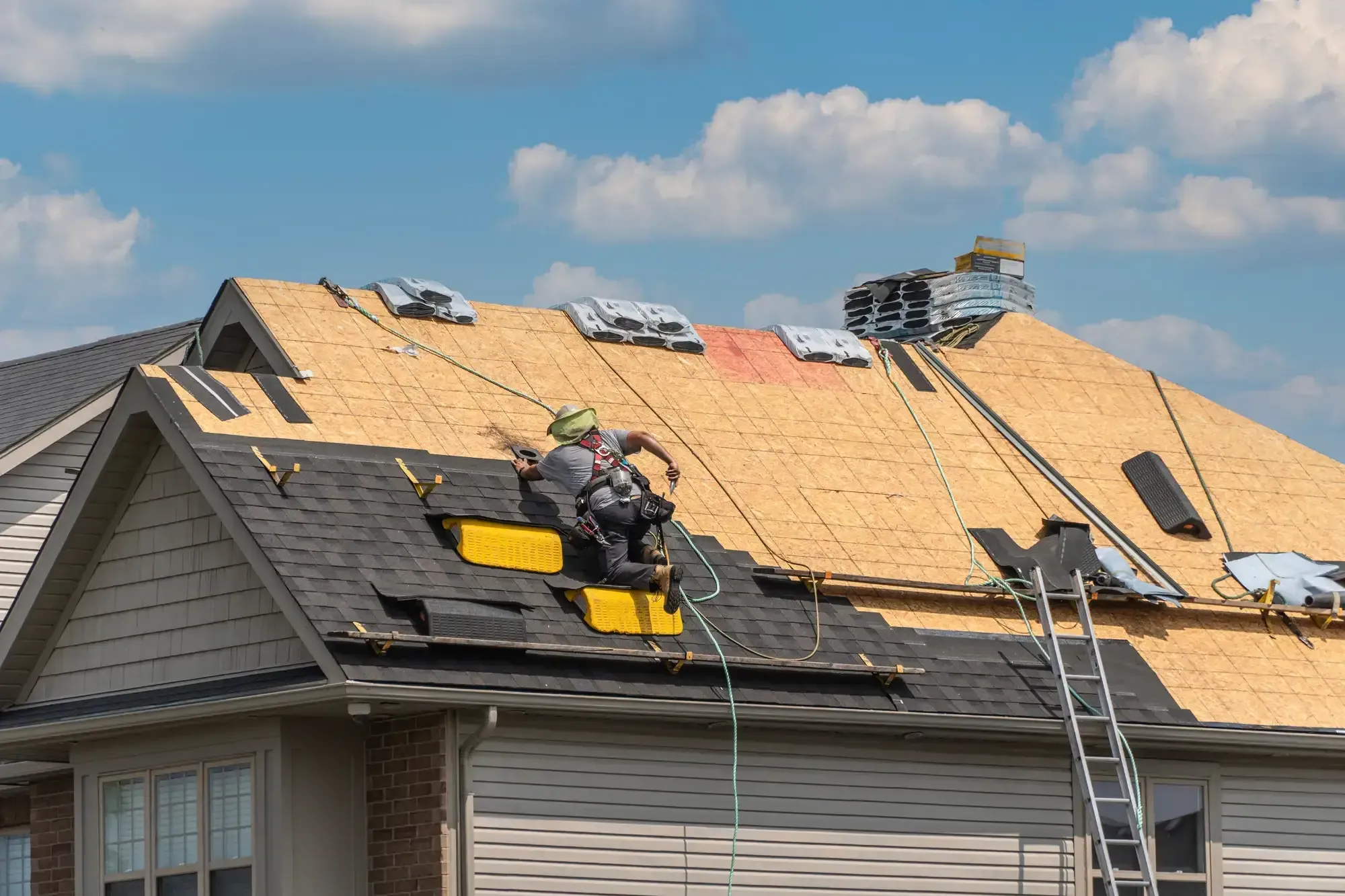
Active Water Leaks That Demand Emergency Roofer Response
Water stains on your ceiling aren’t just cosmetic issues. They’re warning signs that your roof’s protective barrier has failed, and every hour you wait makes the damage worse.
Active leaks during rainstorms mean water is already penetrating your home’s structure. This moisture seeps into insulation, drywall, and wooden framing, creating the perfect environment for mold growth and structural deterioration.
The most dangerous leaks aren’t always the obvious ones. Sometimes water enters through damaged flashing or loose shingles, travels along roof decking, and shows up in completely different areas of your home.
Roof Leak Immediate Fix: Why Hours Matter More Than Days
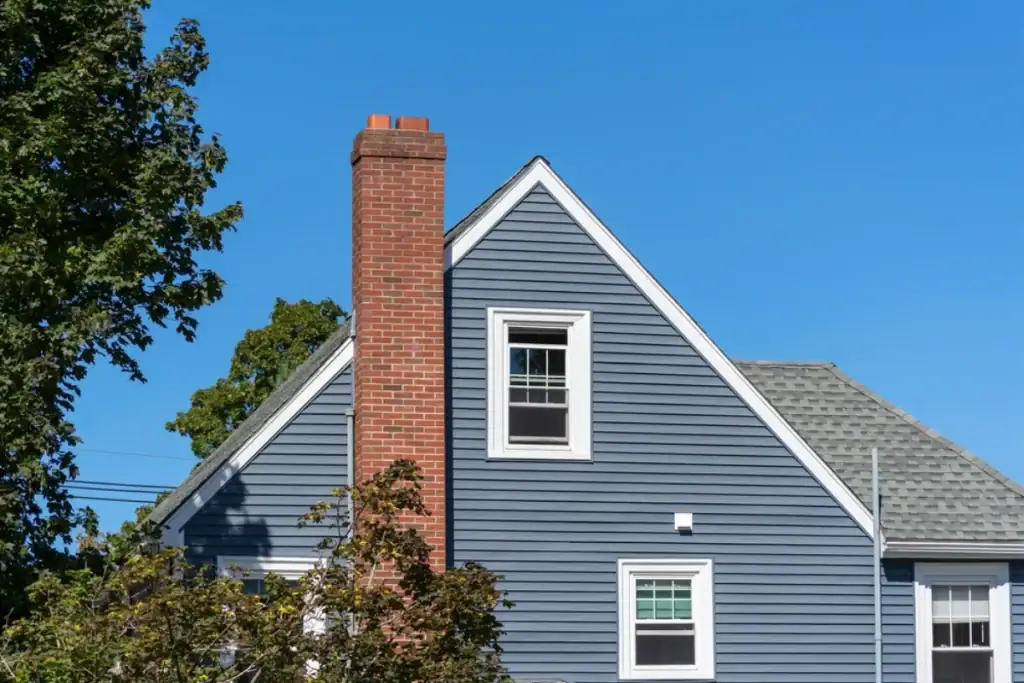
In Monmouth County’s humid climate, water damage spreads faster than most homeowners realize. What starts as a small drip can become thousands of dollars in structural repairs within 24-48 hours.
We understand that emergency leak repair isn’t just about stopping the water. It’s about preventing the cascade of problems that follow. Wet insulation loses its effectiveness, creating energy efficiency problems that drive up heating and cooling costs. Moisture in wall cavities leads to mold growth that threatens your family’s health and requires expensive remediation.
The smartest homeowners call for same-day service the moment they notice water where it doesn’t belong. Emergency roofers can provide temporary solutions like tarping and sealing while developing a permanent repair plan. This immediate response prevents minor leaks from becoming major reconstruction projects.
Storm damage often creates multiple entry points that aren’t immediately visible. A professional inspection identifies all compromised areas, not just the obvious ones. This comprehensive approach ensures you’re not dealing with surprise leaks weeks or months later when the next heavy rain hits.
Storm Damage Inspection: What Emergency Roofers Look For
Monmouth County’s location puts homes directly in the path of nor’easters, hurricanes, and severe thunderstorms. These weather events create specific types of damage that require immediate professional assessment.
High winds don’t just remove shingles—they lift and crack them, creating entry points for water that may not leak immediately. Temperature changes cause damaged shingles to expand and contract, widening these gaps until they become major problems. We know how to identify this hidden damage before it causes interior flooding.
Hail damage is particularly deceptive. Small hail creates granule loss that shortens your roof’s lifespan, while larger hail can crack shingles or create holes that lead to immediate leaks. Insurance companies often require professional documentation of hail damage within specific timeframes, making prompt inspection crucial for claim approval.
Tree damage extends beyond obvious punctures or crushed sections. Falling branches can damage gutters, knock flashing out of position, or create stress points that lead to future failures. We assess the entire roof system, not just the visible damage, ensuring nothing gets missed that could cause problems later.
Fascia Damage and Chimney Flashing: Hidden Threats to Your Home
Your roof’s most vulnerable points aren’t always the most visible ones. Fascia boards and chimney flashing failures often go unnoticed until they’ve caused significant structural damage.
Fascia damage typically starts small but spreads quickly. These boards protect the edges of your roof structure from moisture and provide attachment points for gutters. When they rot or pull away from the roofline, your entire roof system becomes vulnerable to water infiltration and wind damage.
Chimney flashing problems are among the most common causes of roof leaks, yet they’re often overlooked during routine maintenance. These metal seals around your chimney base take a beating from temperature changes, settling, and weather exposure.
Fascia Damage: Early Warning Signs That Demand Action
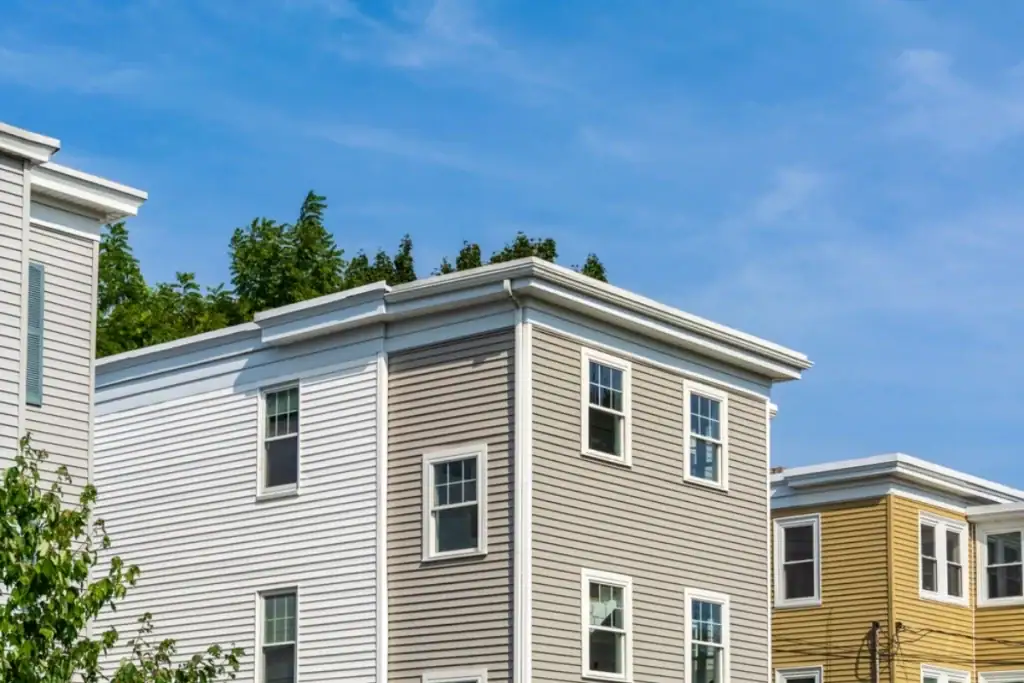
Fascia damage rarely announces itself with obvious symptoms. Instead, it develops gradually through a combination of moisture exposure, temperature cycling, and normal settling that puts stress on these critical components.
Look for fascia boards that appear to sag or pull away from the roofline. Peeling paint or visible wood rot indicates moisture has already penetrated the protective finish. Gaps between fascia boards and the roof edge create entry points for water and insects that can cause extensive damage to your roof’s structural components.
Gutter problems often signal fascia damage. If your gutters are pulling away from the house, overflowing during moderate rains, or showing signs of separation at joints, the fascia boards may no longer provide adequate support. This creates a cascading failure where gutter problems accelerate fascia deterioration, which then compromises your roof’s edge protection.
We can identify fascia damage before it becomes visible from the ground. We understand how moisture patterns, local weather conditions, and your home’s specific design create stress points that lead to premature failure. Early intervention prevents minor fascia repairs from becoming major roof edge reconstruction projects.
Chimney Flashing Problems: When Water Finds Its Way Inside
Chimney flashing failures are responsible for more roof leaks than most homeowners realize. These metal seals must remain watertight while accommodating the expansion and contraction of two different materials—your roof and your chimney—that move at different rates.
Step flashing along the sides of your chimney can separate from either the roof surface or the chimney itself. Counter flashing embedded in the chimney mortar can pull loose as the chimney settles or mortar deteriorates. Base flashing around the chimney bottom can develop cracks or holes that allow water to penetrate the roof deck.
The challenge with chimney flashing leaks is that water rarely appears directly below the chimney. Instead, it travels along roof decking, down wall cavities, or through ceiling spaces before showing up as stains or drips in completely different areas of your home. This makes diagnosis difficult for homeowners but straightforward for experienced roofers who understand water flow patterns.
Professional inspection reveals flashing problems before they cause interior damage. We check for loose or missing sealant, damaged metal components, and signs of water penetration around the chimney base. We also assess the condition of chimney mortar and caps that work together with flashing to keep water out of your home.
When to Call A Russo Roofing for Emergency Service
These five warning signs—active leaks, storm damage, fascia problems, and chimney flashing issues—require immediate professional attention. Waiting for convenient timing or trying DIY fixes often turns manageable repairs into expensive reconstruction projects.
The key is recognizing that roof problems don’t improve on their own. Monmouth County’s weather patterns accelerate damage, turning small issues into major failures faster than in more moderate climates. We have the experience, materials, and techniques needed to stop problems before they compromise your home’s structural integrity.
We provide 24/7 emergency services because roof failures don’t follow business hours. When you need immediate protection for your home and family, professional response makes the difference between minor repairs and major reconstruction.