Summary:
When Siding Damage Goes Beyond Surface-Level Problems
Not all siding damage is created equal. Surface scratches, small dents, or isolated cracks can usually be repaired without major expense. But when damage affects the siding’s ability to protect your home’s structure, you’re looking at replacement territory.
The key difference lies in whether the damage compromises your siding’s primary function: keeping water out. Once moisture starts penetrating behind your siding, repair becomes a temporary bandage on a systemic problem. You need to understand what separates fixable issues from those requiring full replacement.
Widespread Cracking and Structural Damage Throughout Multiple Sections

When cracks appear across large sections of your siding rather than in isolated spots, you’re dealing with systemic failure. This widespread cracking typically indicates that your siding has reached the end of its protective lifespan and can no longer expand and contract properly with temperature changes.
Small cracks might seem harmless, but they create pathways for water infiltration. Once water gets behind your siding, it doesn’t just stay there—it seeps into your home’s structural components, causing rot in wooden framing, insulation damage, and potential mold growth inside your walls.
The problem compounds quickly in Monmouth County’s climate. Our region experiences significant temperature swings, from freezing winters to hot, humid summers. These cycles cause siding materials to expand and contract repeatedly. When your siding is already compromised by age or previous damage, these natural movements create more cracks and worsen existing ones.
You can test the extent of the problem by gently pressing on cracked areas. If the siding feels soft, spongy, or gives way under light pressure, water has already penetrated and begun causing structural damage. At this point, replacing individual sections won’t solve the underlying moisture problem—you need complete replacement to restore your home’s protective barrier.
We can assess whether crack patterns indicate isolated damage or systemic failure, but widespread cracking across multiple walls or sides of your home almost always points to replacement being the more cost-effective long-term solution.
Rotting and Water Damage Behind the Siding Surface
Rot is siding’s silent killer, often developing behind the surface where you can’t see it until significant damage has occurred. Unlike surface damage that’s immediately visible, rot works from the inside out, compromising your siding’s structural integrity before showing obvious external signs.
The most reliable way to detect hidden rot is through tactile inspection. Walk around your home and gently tap the siding with a screwdriver handle or similar tool. Healthy siding produces a solid, firm sound. Rotted areas sound hollow or dull and may even crumble or split when tapped.
Pay special attention to areas where water tends to collect: around gutters, downspouts, windows, doors, and anywhere your siding meets rooflines or other structures. These moisture-prone areas are where rot typically starts, then spreads outward through the siding material.
Monmouth County’s coastal climate creates ideal conditions for rot development. High humidity levels, frequent storms, and temperature fluctuations create an environment where moisture can penetrate small openings and remain trapped behind siding for extended periods. Once rot establishes itself, it spreads rapidly through organic materials like wood siding and can even affect the structural components behind vinyl or fiber cement siding.
Visual signs of rot include dark stains, soft or spongy areas, peeling paint that won’t stay applied, and actual visible decay. But by the time rot becomes visible on the surface, it has usually spread much further behind the siding than what you can see.
When rot affects more than small, isolated sections, replacement becomes necessary because the damage has compromised the siding’s ability to protect your home’s structure. Attempting to repair extensively rotted siding is like putting a bandage on a broken bone—it doesn’t address the underlying structural problem and often leads to more expensive repairs down the road.
Critical Signs That Indicate Replacement Over Repair
Certain warning signs clearly indicate that your siding has moved beyond the repair stage and into replacement territory. These signs typically involve moisture infiltration, structural compromise, or damage patterns that affect your home’s overall protection rather than just its appearance.
Understanding these critical indicators helps you make informed decisions about your home’s exterior before small problems become major structural issues that cost significantly more to address.
Warping, Buckling, and Loose Panels That Won't Stay Secure
Warping and buckling occur when siding materials can no longer maintain their intended shape and position. This typically happens due to moisture damage, improper installation, or natural aging that has compromised the material’s structural integrity.
Warped siding creates gaps and openings that allow water, air, and pests to penetrate behind the protective barrier. Even if you attempt to secure warped panels back into place, the underlying cause—usually moisture damage or material failure—means the problem will recur and likely worsen over time.
Buckling often indicates that moisture has gotten behind the siding and caused the backing materials to swell or that the siding itself has absorbed moisture and expanded beyond its normal dimensions. In Monmouth County’s humid climate, this moisture rarely dries out completely, meaning buckled siding will continue to worsen rather than return to its original shape.
Loose panels present an immediate vulnerability to your home’s protection. When panels become loose, they allow wind-driven rain to penetrate behind the siding during storms. Monmouth County experiences frequent nor’easters and coastal storms that can drive significant amounts of water through even small gaps in loose siding.
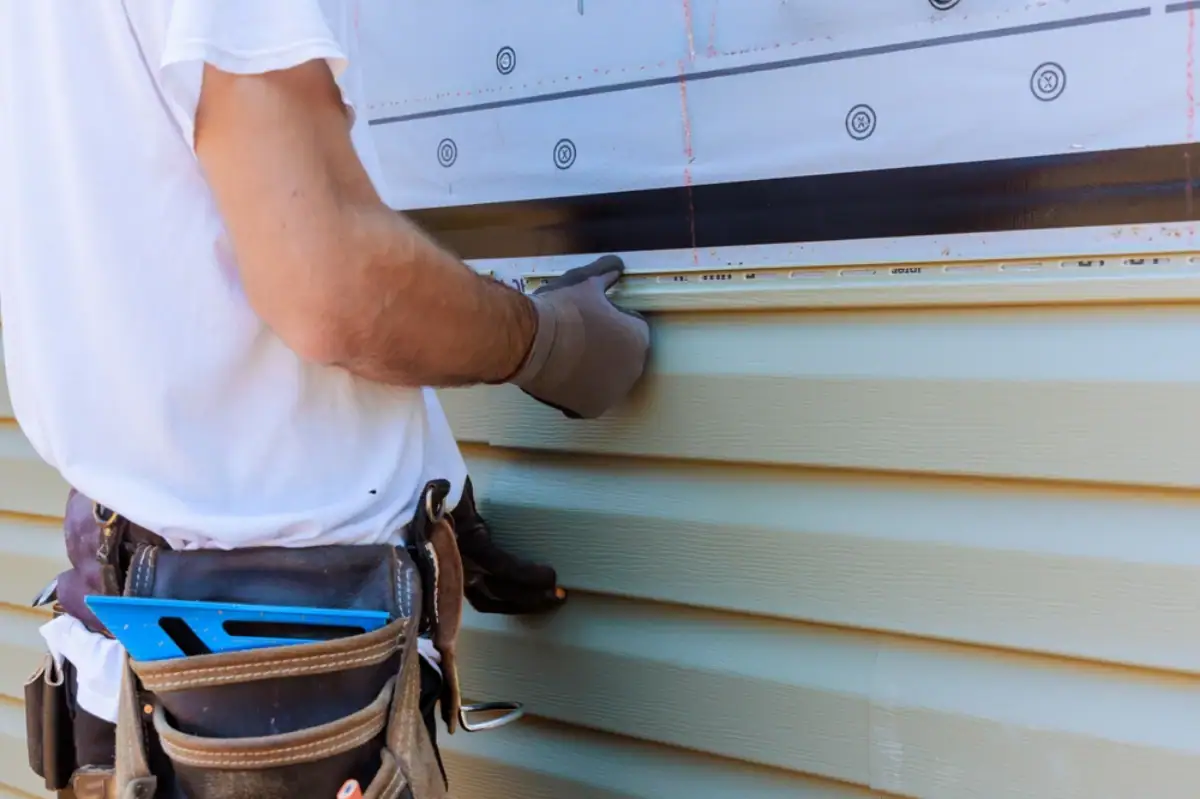
You might be tempted to simply re-secure loose panels, but this approach only works if the panels themselves are still structurally sound and the looseness is due to hardware failure rather than material degradation. If panels have become loose due to warping, moisture damage, or material breakdown, re-securing them won’t address the underlying problem.
The key test is whether loose or warped panels can be returned to their original position and stay there without forcing them. If you have to force panels back into place or if they immediately return to their warped position, the material itself has failed and replacement is necessary to restore proper protection.
Multiple loose or warped panels across different areas of your home indicate systemic failure rather than isolated damage, making replacement the more cost-effective solution compared to ongoing repair attempts.
Mold Growth and Moisture Issues Inside Your Home
When siding failure allows moisture to penetrate your home’s exterior envelope, the effects often show up inside your house before you notice the external damage. Interior moisture problems, unexplained mold growth, or musty odors can all indicate that your siding is no longer providing adequate protection against water infiltration.
Mold growth inside your home, particularly on exterior walls, often signals that moisture is penetrating through failed siding and creating conditions for mold development within your wall cavities. This is especially problematic because mold growth inside walls can affect indoor air quality and require expensive remediation beyond just siding replacement.
Pay attention to rooms that share walls with the exterior of your home. Persistent humidity, water stains on walls or ceilings, peeling interior paint, or wallpaper that won’t stay adhered can all indicate moisture penetration through compromised siding. These problems typically worsen during rainy seasons or after storms when exterior moisture levels are highest.
Monmouth County’s coastal location means homes face additional moisture challenges from salt air and frequent storms. When siding fails to provide adequate protection, this moisture finds its way into wall cavities where it can remain trapped for extended periods, creating ideal conditions for mold growth and structural damage.
Energy bill increases can also indicate siding failure. When moisture penetrates behind siding, it compromises insulation effectiveness and creates air leaks that force your heating and cooling systems to work harder. If your energy bills have increased without other obvious causes, failed siding might be allowing conditioned air to escape and outside air to infiltrate your home.
The challenge with moisture-related siding failure is that by the time you notice interior effects, the exterior damage has usually progressed significantly. Moisture problems inside your home indicate that your siding has been failing for some time, allowing water to penetrate and potentially cause structural damage that goes beyond just the siding itself.
Attempting to repair siding that has already allowed moisture infiltration into your home’s structure rarely provides a complete solution because the underlying moisture pathways remain. Complete replacement ensures that all compromised materials are removed and replaced with new materials that can provide proper protection against future moisture infiltration.
Making the Right Decision for Your Monmouth County Home
The decision between siding repair and replacement ultimately comes down to whether your current siding can still protect your home’s structure from Monmouth County’s challenging weather conditions. When damage affects multiple areas, involves structural compromise, or has allowed moisture infiltration, replacement becomes the more economical choice.
Don’t wait until interior damage occurs or structural problems develop. These seven warning signs indicate when your siding has moved beyond the repair stage and into replacement territory, where acting quickly can prevent much more expensive structural repairs later.
If you’re seeing multiple warning signs or aren’t sure whether your siding damage requires repair or replacement, we can provide a professional assessment that helps you make the right decision for your home’s protection and your budget.