Summary:
Asphalt Shingle Roofing: The Popular Choice for Monmouth County
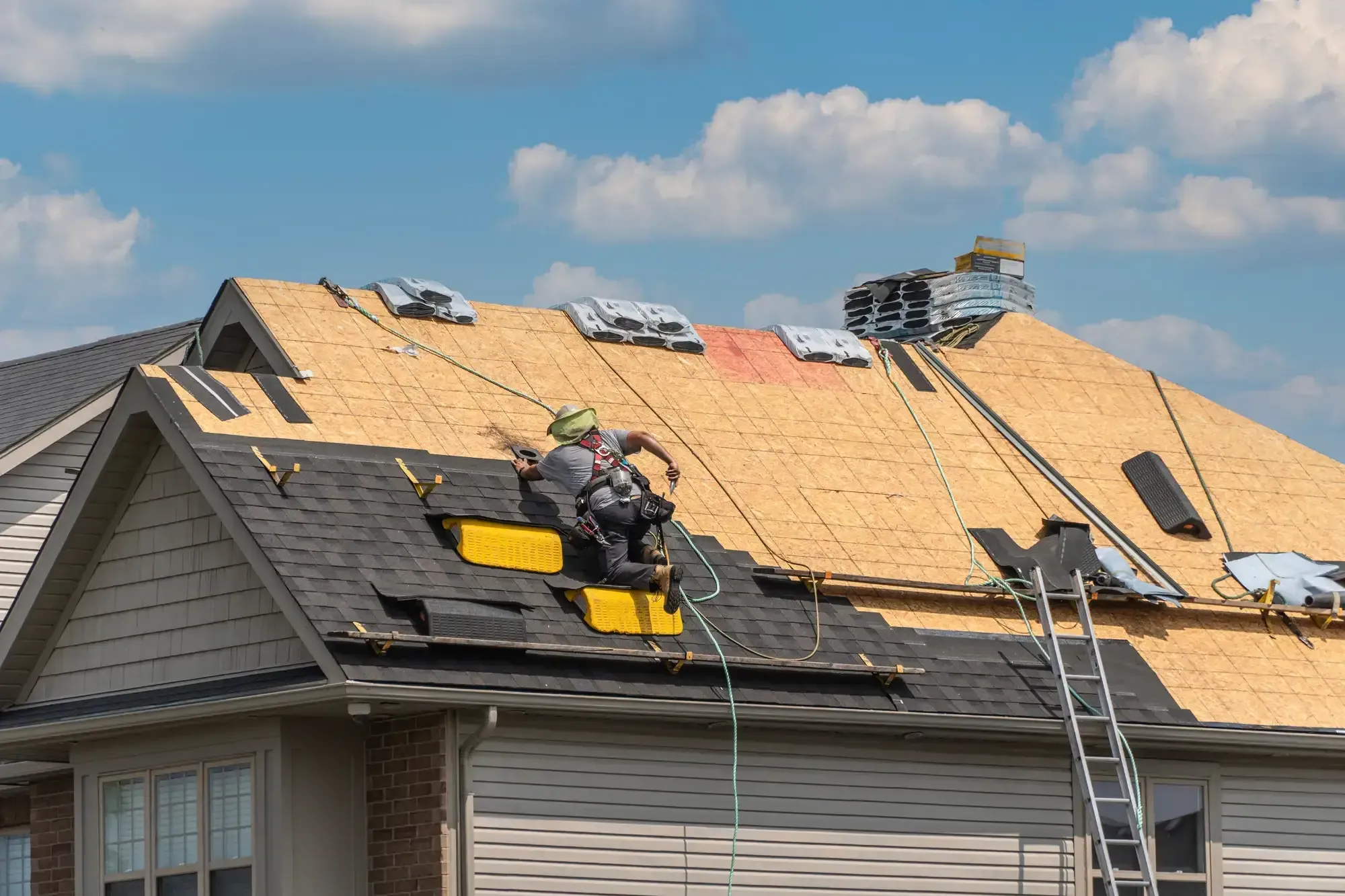
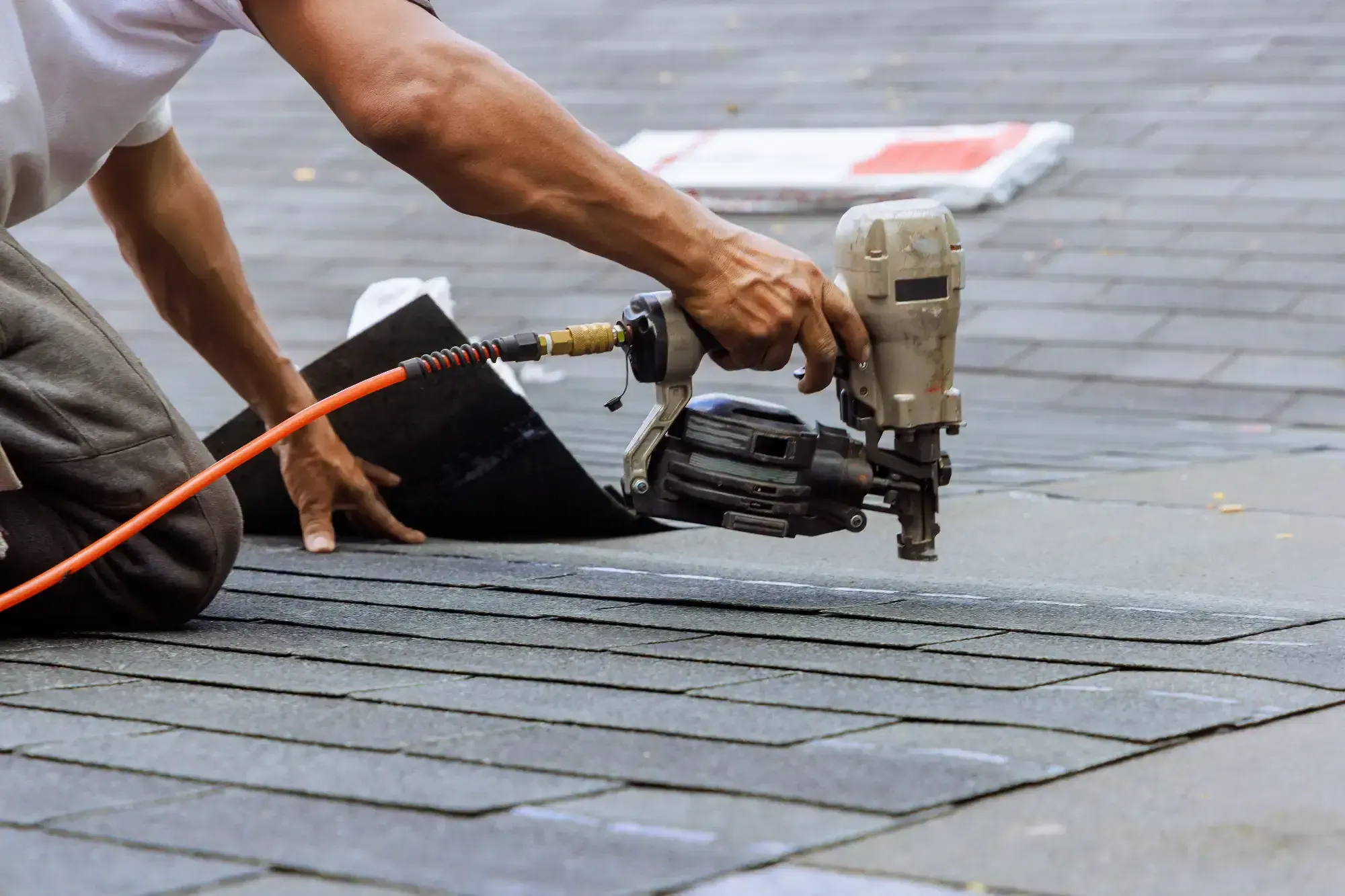
Asphalt shingles cover most Monmouth County homes for good reason. They’re affordable, widely available, and we know how to install them properly. You’ll pay between $4,500 and $10,000 for a typical replacement, making them the budget-friendly option that still delivers solid protection.
These shingles handle our coastal climate reasonably well, lasting 15-30 years depending on quality and maintenance. They come in dozens of colors and styles, so matching your home’s aesthetic is straightforward. Most local contractors stock them and can complete installations quickly, usually in one to two days for average-sized homes.
How Asphalt Shingles Perform in Coastal Weather
Monmouth County’s coastal location creates specific challenges for asphalt shingles that inland areas don’t face. Salt air doesn’t directly damage the shingles themselves, but it accelerates corrosion of metal components like flashing, gutters, and fasteners. This means more frequent maintenance of these supporting elements.
High winds from nor’easters and hurricanes can lift and tear asphalt shingles more easily than heavier materials. You’ll see missing shingles after major storms, especially on older roofs or those with improper installation. The good news is repairs are typically straightforward and affordable when caught early.
Summer heat causes asphalt shingles to expand and contract, which can lead to cracking over time. In Monmouth County’s humid summers, this cycle happens repeatedly. Dark-colored shingles absorb more heat, making your attic hotter and forcing your air conditioning to work harder. Choosing lighter colors or reflective shingles helps reduce this effect.
Winter brings its own challenges. Ice dams form when heat escapes through the roof, melting snow that refreezes at the gutters. Asphalt shingles can handle moderate ice dam situations, but severe cases can cause water to back up under the shingles and leak into your home. Proper insulation and ventilation prevent most ice dam problems.
Types of Asphalt Shingles and Their Differences
Not all asphalt shingles are created equal, and understanding the differences helps you make a smarter choice for your Monmouth County home. Three-tab shingles are the most basic and affordable option. They’re flat, uniform, and lightweight, but they offer the least wind resistance and shortest lifespan—typically 15-20 years in our coastal environment.
Architectural shingles, also called dimensional shingles, are thicker and more durable. They create depth and texture that mimics wood shakes or slate, adding visual interest to your roofline. These typically last 20-30 years and handle wind better than three-tab shingles. Most homeowners choose architectural shingles as the sweet spot between cost and performance.
Luxury shingles represent the premium end of asphalt roofing. They’re the thickest, most durable, and often come with enhanced warranties. Some luxury shingles include impact resistance for hail protection or cool roof technology to reflect more sunlight. While they cost more upfront, they can last 30+ years and may qualify for insurance discounts.
The quality of installation matters more than the shingle type. Proper underlayment, flashing, and fastening techniques make the difference between a roof that lasts its expected lifespan and one that fails prematurely. This is especially critical in Monmouth County’s challenging coastal environment.
Metal Roofing: Long-Term Performance for Coastal Homes
Metal roofing has gained serious traction among Monmouth County homeowners who want decades of protection without constant maintenance. While the upfront cost is higher—typically $8,000 to $25,000 depending on the material and home size—metal roofs can last 40-70 years with minimal upkeep.
The coastal environment that challenges other materials actually favors properly installed metal roofing. Modern metal roofs resist salt air corrosion, handle high winds exceptionally well, and shed snow and rain efficiently. They reflect up to 90% of solar heat, keeping your home cooler in summer and reducing energy costs by 25-40% compared to asphalt shingles.
Types of Metal Roofing Materials and Styles
Standing seam metal roofing is the most popular choice for residential applications in Monmouth County. The vertical panels interlock along raised seams, creating a sleek, modern appearance while providing superior weather protection. The seams expand and contract naturally with temperature changes, preventing the buckling and damage you might see with cheaper installations.
Steel is the most common metal roofing material, offering an excellent balance of strength, durability, and cost. Modern steel roofing comes with protective coatings that resist rust and corrosion for decades. Aluminum costs more but offers superior corrosion resistance, making it ideal for homes very close to the ocean. It’s also lighter weight, which can be important for older homes with structural limitations.
Corrugated metal panels provide a more industrial or agricultural look that some homeowners prefer. They’re typically less expensive than standing seam systems but still offer excellent durability and weather resistance. The ribbed pattern actually helps them resist hail and wind uplift better than flat panels.
For homeowners who want metal’s performance but prefer traditional aesthetics, metal shingles and tiles are available. These products mimic the look of asphalt shingles, wood shakes, or clay tiles while providing metal’s superior durability and weather resistance. They cost more than standard metal panels but less than premium materials like slate or copper.
Metal Roof Performance in Monmouth County Weather
Metal roofing excels in Monmouth County’s coastal climate in ways that surprise many homeowners. The salt air that corrodes other materials has minimal impact on properly coated metal roofing. Modern protective finishes are specifically designed to handle marine environments, often lasting 30-50 years before showing any signs of wear.
High winds that can devastate asphalt shingle roofs barely affect well-installed metal roofing. Standing seam systems are tested to withstand winds over 150 mph, far exceeding what even major hurricanes typically produce. The interlocking panels and mechanical fastening systems create a continuous barrier that won’t lift or tear like individual shingles.
Snow and ice present no problems for metal roofing. The smooth surface allows snow to slide off naturally, preventing the buildup that can cause structural stress on other roof types. Ice dams rarely form on metal roofs because the surface doesn’t retain heat the way asphalt shingles do. When they do occur, the smooth metal surface prevents ice from gripping and causing damage.
Summer heat management is where metal roofing really shines in our climate. The reflective surface bounces solar energy back to the atmosphere instead of absorbing it like dark asphalt shingles. This keeps your attic significantly cooler, reducing the load on your air conditioning system and lowering your energy bills. Many homeowners see 25-40% reductions in cooling costs after switching to metal roofing.
The durability factor can’t be overstated. While asphalt shingles might need replacement every 15-20 years in our coastal environment, a properly installed metal roof can last 50-70 years. That’s potentially three asphalt roof replacements versus one metal roof installation over the life of your home.
Making the Right Roof Choice for Your Monmouth County Home
Your roof choice comes down to balancing upfront costs, long-term performance, and your home’s specific needs. Asphalt shingles offer the lowest initial investment and work well for homeowners planning shorter-term ownership. Metal roofing provides superior long-term value for those planning to stay put, with energy savings and decades of maintenance-free performance.
Consider your home’s age, your budget, and how long you plan to live there. Factor in Monmouth County’s coastal challenges and the increasing frequency of severe weather events. The right choice protects your investment and gives you peace of mind through whatever weather comes our way.
For expert guidance on choosing the best roofing material for your specific situation, we bring over 40 years of local experience to help you make the right decision for your home and family.