Summary:
Why Siding Installation Matters In Monmouth County, NJ
Monmouth County, NJ sits in a unique climate zone that most siding manufacturers specifically engineer products for. You’re dealing with humid summers that hover in the 80s, winters that dip below freezing, and coastal moisture that never really goes away.
That combination does something most inland areas don’t experience. It creates freeze-thaw cycles that cause materials to expand and contract repeatedly. Add salt air if you’re anywhere near the shore, and you’ve got conditions that accelerate deterioration faster than standard timelines suggest.
The right siding installation protects your home’s structure from moisture intrusion while handling these temperature swings without cracking, warping, or letting water seep behind the panels. When installed correctly with proper flashing and ventilation, quality siding can last 20 to 50 years depending on the material you choose.
Vinyl Siding And Fiber Cement: Materials That Withstand Coastal Climate

Walk through any Monmouth County neighborhood and you’ll see two materials dominating: vinyl siding and fiber cement. There’s a reason for that.
Vinyl siding remains the most popular choice because it handles moisture well, doesn’t rot, and requires almost zero maintenance beyond an occasional wash. Modern vinyl isn’t the flimsy stuff from decades ago.
Premium-grade vinyl siding features thicker panels and improved locking systems engineered specifically for climates like ours. It resists fading from UV exposure, won’t warp in humidity, and typically lasts 20 to 30 years when properly installed. The catch with vinyl is quality variation.
Entry-level products will crack in cold weather and fade faster in direct sun. If you’re near the coast, you want premium-grade vinyl that can handle salt buildup without degrading. Thicker panels mean better wind resistance during storms and more dimensional stability during those temperature swings.
Fiber cement siding, particularly James Hardie products, is engineered for what they call HZ5 climate zones. That’s us. New Jersey’s humid summers and freezing winters fall directly into that category.
The material is specifically formulated to resist moisture absorption while maintaining flexibility during temperature changes. It won’t swell, rot, or invite mold the way wood siding does. Fiber cement costs more upfront than vinyl—roughly $8 to $12 per square foot installed versus $4 to $7 for vinyl.
But the material can last 50 years or more. It resists fire and pests and offers the look of wood without the constant maintenance. For coastal properties dealing with salt air and high humidity, fiber cement shines because of its stability and resistance to moisture and impact.
The material is heavy and requires professional siding installers who understand the specific requirements. Improper spacing or fastening in our climate can lead to problems down the road. That’s why working with experienced contractors in Monmouth County, NJ makes a difference—we know the installation nuances for both coastal and inland properties.
House Siding Styles And Color Trends For 2026
Color trends in 2026 are shifting away from the cool grays that dominated the last decade. Homeowners across Monmouth County, NJ are gravitating toward warmer neutrals that feel more natural in changing light.
Think taupe, creamy off-whites, and soft beiges that provide versatility without feeling sterile. If you’re near the shore or want to complement the coastal environment, moody hues like deep navy, forest green, and smoky teal are gaining traction.
These colors reflect the Atlantic and local parks while adding depth and sophistication without being too bold. They pair well with white trim and stone accents, which are common in Monmouth County architecture. Nature-inspired tones are also trending: sage green, terracotta, and warm clay colors that bring a grounded, serene feel to exteriors.
For James Hardie fiber cement, colors like Evening Blue, Aged Pewter, and Cobble Stone offer balance between depth and neutrality. They’re showing up more frequently because they pair easily with various roofing styles and architectural details without overwhelming the design.
Style-wise, lap siding continues to be the foundation for most installations. It’s clean, familiar, and works across different home styles. Board and batten accents are making a comeback, especially in gables, entryways, or upper levels.
These vertical elements add visual interest without taking over the entire facade. It’s a way to introduce character while keeping the overall design grounded. Texture is playing a larger role too.
Homeowners are paying attention to subtle surface details that add richness without being too busy. Smooth finishes balanced with lightly textured options create depth. This interest in texture ties back to practicality—different finishes can hide minor imperfections and hold up better to the elements over time.
The key is choosing colors and styles that complement your home’s architecture and neighborhood while considering how they’ll look in different lighting conditions. Sun exposure, rooflines, and landscaping all influence how siding choices come across. What works on a colonial in Red Bank might not suit a ranch in Colts Neck.
The Professional Siding Installation Process
Most homeowners underestimate what’s involved in a full siding installation. It’s not just slapping panels on the exterior. There’s a system that needs to work together.
Removal of old siding. Inspection of underlying structure. Installation of moisture barriers. Proper flashing around windows and doors. Then the siding itself.
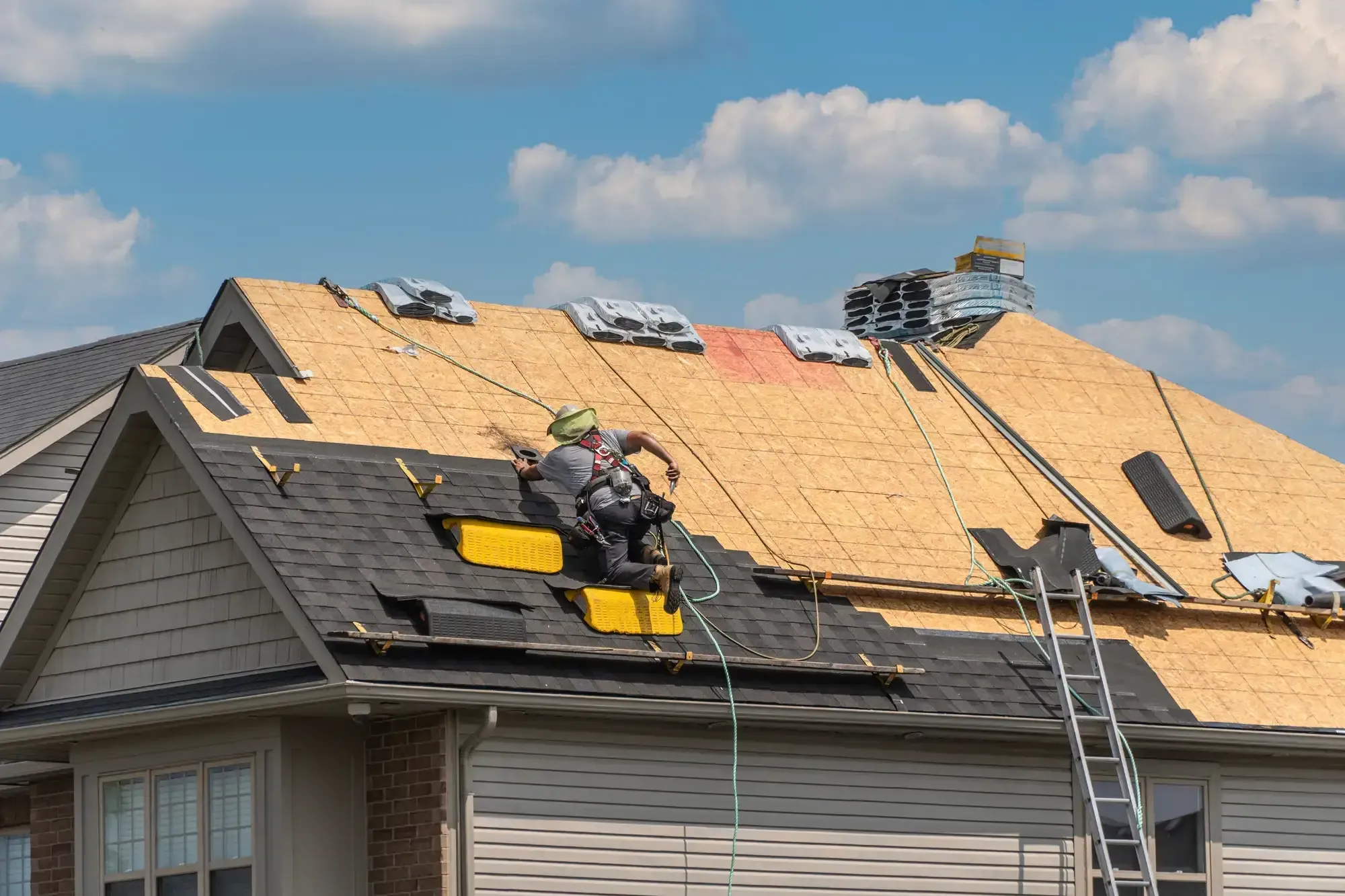
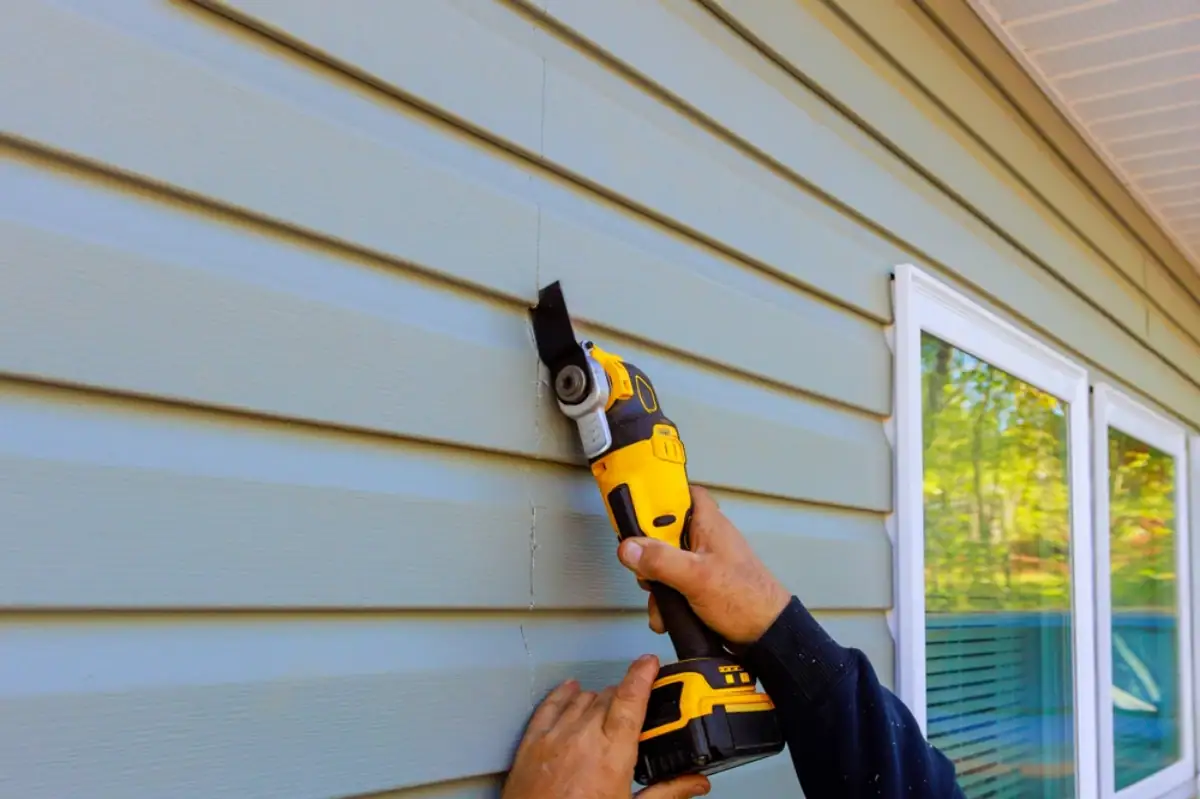
The process typically starts with removing existing siding. This step matters more than you might think. Once old siding comes off, you can see what’s actually happening with your home’s structure. Wood rot, pest damage, water intrusion—these issues hide behind aging exteriors. Addressing them before new siding goes up prevents bigger problems later.
Timeline And What To Expect During Installation
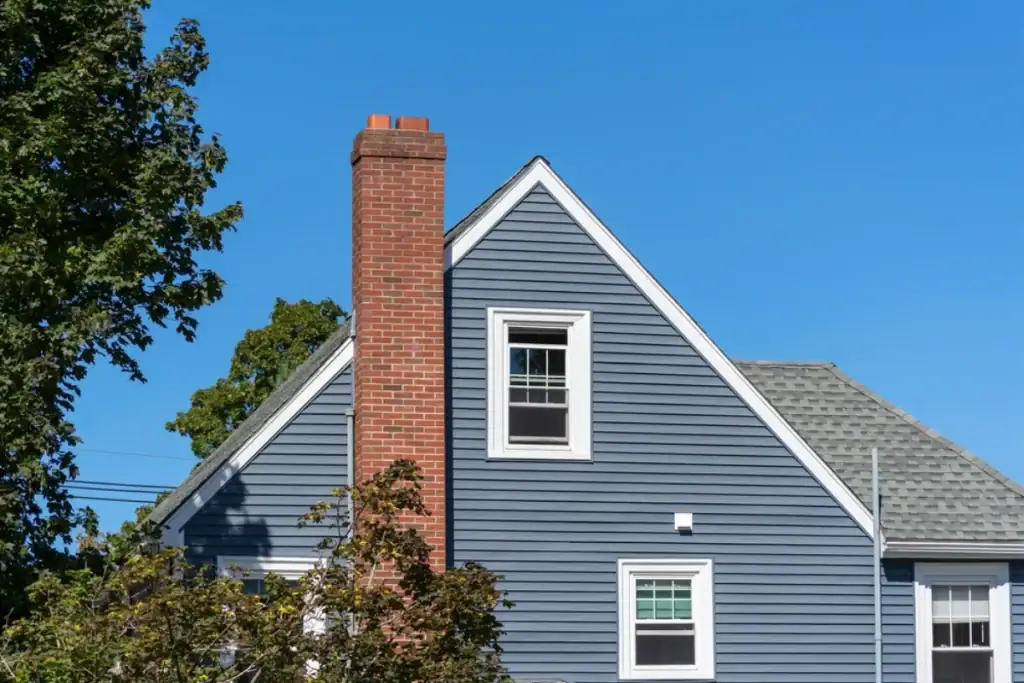
For an average-sized home in Monmouth County, NJ, siding installation typically takes three to seven days. That timeline assumes normal weather conditions and no major structural repairs discovered during removal.
Single-story homes on the smaller end move faster. Multi-story homes or properties with complex architectural features—dormers, multiple gables, intricate trim—take longer because they require more custom cuts and careful attention to detail.
Weather plays a role too. Rain delays installation because moisture needs to stay out during the process. Temperature matters for certain materials. Vinyl, for example, requires specific temperature ranges for proper installation because the material expands and contracts.
We know how to work around seasonal challenges. Extreme weather can push timelines, but experienced contractors plan for that. The disruption to your daily life is usually minimal.
Crews work outside, so you’re not dealing with interior construction mess. There’s noise from cutting and nailing. You’ll want to keep windows closed on the sides being worked on. Landscaping near the house might need temporary protection, and contractors will need clear access to all exterior walls.
Most reputable contractors provide a detailed timeline upfront and communicate if anything changes. We handle cleanup daily, removing debris and keeping the work area organized. Cost-wise, you’re looking at anywhere from $8,000 to $30,000 for a full vinyl siding replacement depending on your home’s size, material choice, and any additional work required.
Vinyl siding replacement falls on the lower end of that range. Fiber cement or more premium materials push costs higher. Old siding removal adds $1,000 to $2,500 if it’s in rough shape and requires extra labor.
Hidden costs can appear when contractors uncover damage behind existing siding. Rot in sheathing, compromised framing, or extensive water damage all require repair before new siding goes up. This is why working with licensed, insured contractors who provide detailed estimates matters. We walk you through what’s included and what might come up during the project.
ROI And Long-Term Value Of Siding Replacement
Siding replacement consistently ranks among the top home improvement projects for return on investment. You’re looking at recouping 75% to 90% of your costs when you sell, depending on the material you choose.
Vinyl siding typically returns about 70% to 80% of the investment. Fiber cement can hit 76% to 88% regionally. Those numbers mean if you spend $15,000 on new siding, you’re adding roughly $11,000 to $13,000 in home value.
That’s better ROI than most kitchen or bathroom remodels. But the value goes beyond resale numbers. New siding improves energy efficiency by creating better insulation and reducing air leaks.
That translates to lower heating and cooling costs year-round. In Monmouth County, where summers get humid and winters dip below freezing, those savings add up over time. There’s also the curb appeal factor.
Homes with updated siding sell faster and often garner offers 7% higher than properties with worn or outdated exteriors. First impressions matter in real estate, and siding is the first thing potential buyers see. Fresh, well-maintained exteriors signal that the home has been cared for, which reduces buyer hesitation about hidden problems.
Maintenance savings matter too. Modern vinyl and fiber cement require minimal upkeep compared to wood, which needs regular painting, sealing, and repair. Over 20 to 30 years, that difference in maintenance costs becomes significant. You’re not spending weekends scraping paint or dealing with rot.
For properties near the shore, the right siding protects against salt air corrosion and moisture damage that can compromise your home’s structure. That protection prevents costly repairs down the road—repairs that often exceed the initial siding investment. When you factor in avoided maintenance, energy savings, and increased home value, the ROI becomes even more compelling.
The material you choose impacts longevity too. Vinyl lasts 20 to 30 years in New Jersey’s climate when properly installed. Fiber cement can last 50 years or more. That’s potentially the last time you ever deal with siding replacement if you choose the right material now.
Choosing The Right Siding Contractors In Monmouth County, NJ
Choosing siding isn’t about picking the trendiest color or the cheapest option. It’s about understanding what your home needs based on its location, your budget, and how long you plan to stay.
If you’re near the coast, prioritize materials that handle salt air and humidity without degrading. Premium vinyl or fiber cement both work, but fiber cement offers superior moisture resistance and longevity. Inland properties have more flexibility, though you still need materials that handle freeze-thaw cycles and temperature swings without cracking.
Budget matters, but so does long-term value. Vinyl costs less upfront and delivers solid performance for 20 to 30 years. Fiber cement costs more but can last 50 years with minimal maintenance. If you’re planning to stay in your home long-term, the higher initial investment in fiber cement often makes sense. If you’re selling within five to ten years, vinyl provides strong ROI without the premium price tag.
Work with siding contractors who understand Monmouth County’s climate and have experience with both vinyl and fiber cement installations. We explain why certain materials work better for your specific property, provide detailed estimates, and stand behind our work with solid warranties. Owner supervision during installation ensures quality standards are met, which matters when you’re making an investment this significant.
We’ve been serving Monmouth County for over 40 years, providing owner-supervised siding installation backed by a 30-year warranty. Same-day estimates help you move forward without waiting, and our licensed, insured professionals ensure your project meets the highest standards from start to finish.