
Summary:
You’re researching roofing options because you know this decision matters. Maybe you’re tired of replacing shingles every 15 years. Maybe you want something that actually lasts. Or maybe you’re restoring a historic property and need materials that match the original craftsmanship.
Copper metal roofs cost more upfront than conventional materials. That’s not something we hide. But here’s what changes the equation: you’re looking at 50 to 100+ years of performance. No re-roofing. No constant maintenance. Just a roof that gets better with age while everything else around it deteriorates.
Let’s talk about what copper actually delivers and whether it makes sense for your situation.
Copper Metal Roof Benefits and Longevity
Copper roofs last longer than most buildings they cover. Some installed in the 1800s still function today on North American structures. That’s not marketing language. That’s documented performance.
The material resists corrosion naturally. It doesn’t need protective coatings that wear off. Weather that destroys other materials actually strengthens copper through oxidation. That protective layer—the patina—acts like armor that builds itself over time.
You’re looking at a roof that will outlive you. For most homeowners, that means this is the last roofing decision they’ll ever make. Compare that to asphalt shingles lasting 15-30 years, and the math starts making sense even with the higher initial cost.
How Copper Patina Development Protects Your Investment
That green color you see on copper roofs isn’t damage. It’s protection.
When copper oxidizes, it forms a patina layer that shields the base metal from the elements. Think of it like a self-healing coating that gets stronger the longer it’s exposed to weather. The process happens naturally with zero maintenance required.
Fresh copper starts with that distinctive penny-bright appearance. Over months and years, it transitions through browns and bronzes. Eventually, depending on your climate and exposure, it develops that characteristic blue-green patina. In coastal areas near the Jersey Shore, the process moves faster due to salt air. Inland Monmouth County, NJ properties might take 10-20 years to fully develop the patina.
Some homeowners love the patina immediately. Others prefer the original copper appearance. If you want to maintain that shiny finish, you’ll need regular sealing—but most people choose copper specifically for how it ages. The patina isn’t a flaw. It’s proof the material is doing its job.
The patina also has antimicrobial properties that naturally prevent algae and moss growth. You won’t see the black streaks common on asphalt shingles throughout neighborhoods in Red Bank or Freehold. You won’t deal with organic growth breaking down your roof surface. The copper handles it without your intervention.
This is why copper roofs require virtually no maintenance. The material protects itself. You’re not climbing up there every few years to clean, seal, or repair. You’re not scheduling inspections to catch problems before they become leaks. The roof just performs decade after decade.
For historic home restorations in towns like Rumson, Little Silver, or Colts Neck, this matters even more. You’re matching original materials that have already proven they can last centuries. Modern copper continues that tradition with the same performance characteristics builders relied on generations ago.
Energy Efficiency and Weather Resistance
Copper reflects solar heat instead of absorbing it. That keeps your attic cooler in summer. Cooler attic means less work for your AC. Less AC runtime means lower energy bills.
Studies show metal roofs can reduce cooling costs by up to 40%. That’s real money back in your pocket every month. Over a 50+ year lifespan, those savings add up significantly. They don’t erase the upfront cost difference, but they close the gap more than most people realize.
The material also handles extreme weather without breaking down. Hurricane-force winds that tear off shingles barely affect properly installed copper. Heavy snow loads that stress other roofing systems are no issue for copper’s strength-to-weight ratio. Ice dams that cause leaks on conventional roofs don’t form the same way on metal surfaces.
Fire resistance is another factor worth considering. Copper is noncombustible with a Class A fire rating—the highest available. That rating can lower your insurance premiums. It also provides peace of mind that your roof won’t contribute to fire spread if the worst happens.
Monmouth County, NJ sees everything from coastal storms rolling in off the Atlantic to winter nor’easters dumping heavy snow. The weather here isn’t gentle on roofing materials. Copper handles it all without the deterioration you see with organic materials. No curling shingles. No cracked tiles. No degraded surfaces that need constant attention.
The lightweight nature of copper also matters for your home’s structure. It puts less stress on rafters and roof decking compared to heavy materials like slate or clay tile. For older homes in established neighborhoods or properties where structural capacity is a concern, copper delivers premium performance without requiring reinforcement.
That combination—longevity, weather resistance, energy efficiency, and low weight—is why copper has been the choice for significant buildings for centuries. The material simply works. It keeps working when everything else needs replacement. And it does so with minimal intervention from you.
Best Metal Roof Material Comparisons
Not all metal roofing performs the same. Steel, aluminum, zinc, and copper each have distinct characteristics. Understanding the differences helps you make the right choice for your specific situation and budget.
Steel is the most common metal roofing material. It’s affordable and widely available with decent performance. Galvanized or Galvalume coatings protect against rust, but those coatings eventually wear down. You’re looking at 30-50 years of performance with proper maintenance. Steel is strong and dent-resistant, but it’s not ideal for coastal environments where salt air accelerates corrosion.
Aluminum resists corrosion better than steel, making it suitable for coastal properties closer to the shore. It’s lightweight and doesn’t rust. The tradeoff is that aluminum dents more easily than steel or copper. Cost-wise, it sits between steel and copper—more expensive than steel, less than copper or zinc.
Why Copper Leads Premium Applications
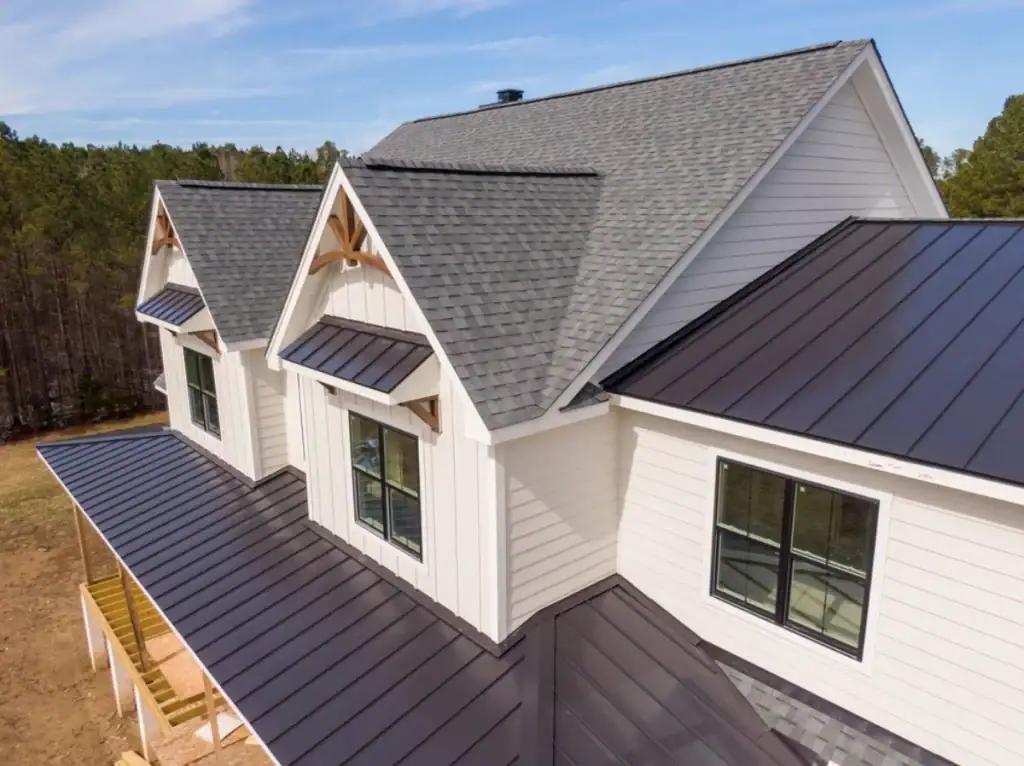
Copper costs more than other metal roofing options. Sometimes significantly more. But there’s a reason it’s been the material of choice for premium buildings, historic structures, and properties where longevity matters above all else.
The lifespan difference is substantial. While steel might give you 30-50 years and aluminum 30-50 years, copper delivers 100+ years. That’s not just double the lifespan. That’s potentially three or four times longer than alternatives. When you calculate cost per year of service, copper starts looking more reasonable than the sticker price suggests.
Copper also requires less maintenance than other metals. Steel needs inspection and potential coating renewal every decade or so. Aluminum can corrode in certain conditions despite its resistance. Copper develops its protective patina and essentially maintains itself. You’re not scheduling regular maintenance calls. You’re not budgeting for repairs down the line. The roof just continues performing.
The aesthetic evolution of copper is unique among roofing materials. Other metals either maintain their original appearance (if coated) or show wear and degradation over time. Copper transforms into something more distinctive. That patina development is actually desirable—it’s proof of authenticity and age that adds character to your property.
For historic home restorations throughout Monmouth County, NJ, copper is often the only appropriate choice. Many historic properties in towns like Spring Lake, Manasquan, or Asbury Park originally had copper roofs or copper accents. Restoration guidelines frequently require matching original materials. Even when guidelines don’t mandate copper, maintaining historical accuracy and character often means choosing the same materials original builders selected.
Architectural applications also favor copper for its malleability. The material bends and forms into complex shapes without cracking or weakening. Standing seam panels, bay window coverings, dormer caps, cupolas—copper handles intricate details that other metals struggle with. For Victorian homes or properties with architectural complexity common in established neighborhoods, copper provides both the performance and the workability needed.
The recyclability factor matters too. Copper is 100% recyclable without any loss in quality. When a copper roof eventually comes down—after a century or more—the material retains significant value. It doesn’t end up in a landfill like asphalt shingles. It gets recycled into new copper products. That environmental consideration increasingly influences homeowner decisions.
Insurance companies recognize copper’s fire resistance and durability. Some offer premium discounts for metal roofing, especially in areas prone to severe weather. Those discounts add up over decades of coverage, contributing to the overall value proposition even if they’re modest individually.
Residential Metal Roofing Installation Considerations
Installing a copper metal roof isn’t a DIY project. The specialized skills required and the material’s cost mean you need experienced professionals handling the work. Poor installation negates every benefit copper offers.
Proper installation starts with compatible materials. Copper reacts with certain other metals, causing galvanic corrosion that can damage both materials. Fasteners need to be copper or stainless steel—never galvanized steel or aluminum. Flashing must be compatible. Even the underlayment matters for long-term performance. Experienced metal roofing experts know these details. Contractors who occasionally dabble in metal roofing often don’t.
The installation method varies by style. Standing seam systems use concealed fasteners and interlocking panels for a clean appearance. Copper shingles install similarly to other metal tiles with overlapping edges and hidden nails. Flat seam systems require soldering skills for watertight connections. Each method has specific requirements for proper performance that only experienced installers understand.
Roof pitch affects installation complexity and cost. Steeper roofs require more safety equipment and careful material handling. Complex roof lines with multiple valleys, dormers, and angles increase labor time significantly. Simple gable roofs install faster and cost less than complicated designs common on larger homes.
Your existing roof structure needs evaluation before copper installation. While copper is lightweight compared to slate or tile, the decking and framing must be sound. Any rot, damage, or structural issues need addressing first. Proper ventilation is also critical—metal roofing performance depends on adequate airflow beneath the panels to prevent moisture issues.
Local building codes in Monmouth County, NJ specify requirements for roofing installations. Permits are typically required for full roof replacements. Inspections verify proper installation and code compliance. Working with licensed contractors ensures proper permitting and provides recourse if issues arise later.
The timeline for copper roof installation varies by project size and complexity. A simple residential roof might take a week once materials arrive. Larger or more complex projects require more time. Weather delays can extend timelines—metal roofing installation needs dry conditions for proper sealing and fastening.
Cleanup is part of professional installation. Copper is valuable, so scrap pieces get collected and recycled rather than tossed. Your property should look clean when the crew finishes, not littered with metal scraps and packaging. Complete cleanup is a sign of professional operation and respect for your property.
Warranties matter significantly with copper roofing. Material warranties typically cover the copper itself—often for decades given the material’s durability. Labor warranties cover installation workmanship and should extend for years beyond the installation date. Both should be clearly documented in writing. Understanding what’s covered and for how long protects your investment if issues develop.
Choosing Metal Roofing Experts for Your Project
The right contractor makes the difference between a copper roof that performs for a century and one that causes problems within years. Experience with copper specifically matters more than general roofing experience.
Look for contractors who regularly install copper roofing, not those who do it occasionally. Ask to see completed projects in person if possible. Talk to previous customers about their experience. Verify current licensing and insurance coverage. Check that they understand galvanic corrosion, proper fastener selection, and installation methods specific to copper.
We bring over 40 years of experience to every project in Monmouth County, NJ. Our owner-supervised approach means quality control happens at every stage, not just at the beginning and end. Our 30-year labor warranty and 20-year workmanship warranty back up that commitment with guarantees that outlast most roofs entirely. When you’re making a lifetime investment in premium roofing, that level of experience and accountability matters more than saving a few dollars upfront.