
Summary:
You’re looking at metal roofing options and the price differences are hard to ignore. Standing seam systems look sleek, but corrugated steel roofing costs about half as much while still delivering the durability, longevity, and weather resistance you need. That gap matters when you’re protecting your home and your budget at the same time.
The question isn’t just about price. It’s about understanding what you’re actually getting with each system—how they’re installed, how they perform in Monmouth County’s coastal weather, and which one makes sense for your situation. This isn’t a one-size-fits-all decision, and the right choice depends on factors beyond just the sticker price.
Let’s break down what corrugated steel roofing brings to the table, how it compares to other metal roofing options, and what you should know before making your final call.
Corrugated Steel Roofing Applications and Style Benefits
Corrugated steel roofing works for residential homes, garages, sheds, and covered outdoor spaces. The wave-like pattern isn’t just for looks—it adds structural strength by creating ridges and grooves that make thin metal panels surprisingly rigid. This corrugation process turns lightweight steel into panels that can handle heavy snow loads, high winds, and the kind of weather Monmouth County throws at roofs year after year.
The style has evolved beyond the barn aesthetic some people picture. Modern corrugated panels come in multiple colors and finishes, from classic metallics to painted options that complement traditional home designs. You can find profiles that look clean and contemporary or ones that lean into that industrial-modern vibe. The exposed fasteners are visible, which some homeowners see as a drawback and others appreciate for the honest, functional look.
Cost is where corrugated steel roofing really stands out. At roughly half the price of standing seam systems, you’re getting metal roofing’s core benefits—durability, fire resistance, energy efficiency—without the premium installation costs. For homeowners who want to move away from asphalt shingles but aren’t ready to invest in the highest-end option, corrugated panels hit a sweet spot.
How Corrugated Panels Handle Coastal Weather

Monmouth County sits right on the coast, which means your roof deals with salt air, nor’easters, humidity, and temperature swings that go from freezing winters to hot, humid summers. Corrugated steel roofing handles these conditions better than many traditional materials, but understanding how requires looking at what actually happens on your roof.
Salt air is corrosive. That’s why the coating matters as much as the steel itself. Galvanized steel panels come with a zinc coating that protects against rust, while galvalume coatings use a zinc-aluminum alloy for even better corrosion resistance. In coastal areas, choosing panels with quality coatings and painted finishes adds years to your roof’s lifespan. Uncoated or poorly coated panels will show rust within a few years near the ocean, while properly protected steel can last decades.
Wind resistance comes from proper installation more than the panels themselves. Corrugated roofing uses exposed fasteners—screws that go through the panel into the roof deck, with rubber gaskets sealing around each one. When installed correctly with the right screw spacing and tension, these panels stay put in high winds. The corrugated pattern also helps by creating a profile that sheds wind better than flat surfaces. But here’s the catch: those fasteners need attention over time because the gaskets wear down from UV exposure and temperature cycling.
Snow and ice slide off metal roofing more easily than asphalt shingles, which prevents the kind of buildup that stresses roof structures. The slippery surface and heat transfer properties of metal mean snow melts faster and sheds more readily. For Monmouth County winters, this translates to less weight on your roof and fewer ice dam issues. The corrugated profile channels water effectively as snow melts, guiding it toward gutters rather than pooling on the surface.
Temperature extremes cause metal to expand when hot and contract when cold. This thermal movement is normal and expected. Corrugated panels handle it differently than standing seam systems. Because the fasteners go through the panels, there’s less room for the metal to move freely. This can lead to fasteners backing out slightly over time or gaskets compressing unevenly. It’s not a deal-breaker, but it does mean you should expect to inspect and potentially tighten or replace some fasteners every 5-10 years as part of normal maintenance.
Metal Seam Roof Performance Factors
The seams where metal panels connect are critical to how your roof performs. With corrugated steel roofing, panels overlap at the edges and get fastened directly through both layers. This creates a mechanical bond that’s strong and straightforward, but it also means every fastener is a potential entry point for water if the gasket fails or the screw loosens.
Water resistance depends entirely on those rubber gaskets under each screw head. When new, they create a tight seal that keeps moisture out. Over time, exposure to sun, temperature changes, and weather causes the rubber to harden, crack, or compress. This is the main maintenance consideration with corrugated metal roofing. You’re not dealing with shingles that need replacing every 15-20 years, but you do need to keep an eye on those fasteners. Walking the roof or having it inspected every few years lets you catch problems before they become leaks.
The corrugated profile itself helps with water management. The ridges and valleys naturally channel water downward toward gutters. As long as the roof has adequate slope—typically a minimum of 3:12 pitch for corrugated panels—water moves off efficiently. Flatter roofs don’t work well with this system because water can back up at seams or around fasteners during heavy rain.
Thermal expansion affects every metal roof, but the way it’s managed differs by system. Corrugated roofing essentially fights against thermal movement because the fasteners pin the panels in place. As the metal tries to expand in heat, it pushes against those fixed points. As it contracts in cold, it pulls. This back-and-forth can stress the fasteners and the panels themselves. Quality installation accounts for this by not over-tightening screws, leaving just enough room for slight movement without loosening the seal.
The gauge of the metal matters for performance. Corrugated panels typically come in 26 or 29 gauge steel. Lower numbers mean thicker metal—so 26 gauge is thicker and more rigid than 29 gauge. Thicker panels resist denting from hail better and feel more substantial, but they also cost more. For most residential applications in Monmouth County, 26 gauge strikes a good balance between durability and cost. If you’re in an area that sees frequent hail or you want maximum impact resistance, going with the thickest gauge available makes sense.
Noise is something people worry about with metal roofing. Rain on a metal roof is louder than rain on asphalt shingles, but it’s not as dramatic as you might think if there’s proper insulation and underlayment. The sound is more noticeable in spaces without finished ceilings—like covered porches or detached garages—but in a home with attic insulation and drywall ceilings, the difference is minimal. Some people actually enjoy the sound of rain on their metal roof.
Standing Seam Metal Roof Installation Versus Corrugated Methods
Standing seam metal roof installation works completely differently than corrugated installation, and those differences explain both the performance advantages and the cost gap. Standing seam panels have vertical legs that rise above the flat surface of the panel. These raised seams interlock or get mechanically crimped together, and the fasteners hide underneath, attached to clips rather than penetrating the visible surface.
This concealed fastener system is the main reason standing seam costs more. Installation requires specialized equipment and training. The panels need precise alignment, and the seams must be properly sealed—either snapped together or run through a seaming machine that crimps the edges. It’s more labor-intensive and less forgiving of mistakes. You can’t just screw down standing seam panels and call it done.
The payoff is better long-term performance. Without fasteners penetrating the panels, there are no gaskets to fail and no screws to loosen. The clips that hold standing seam panels allow the metal to expand and contract freely, moving with temperature changes instead of fighting against fixed points. This floating system reduces stress on both the panels and the attachment points, which translates to fewer maintenance issues over decades.
Comparing Installation Techniques and Costs
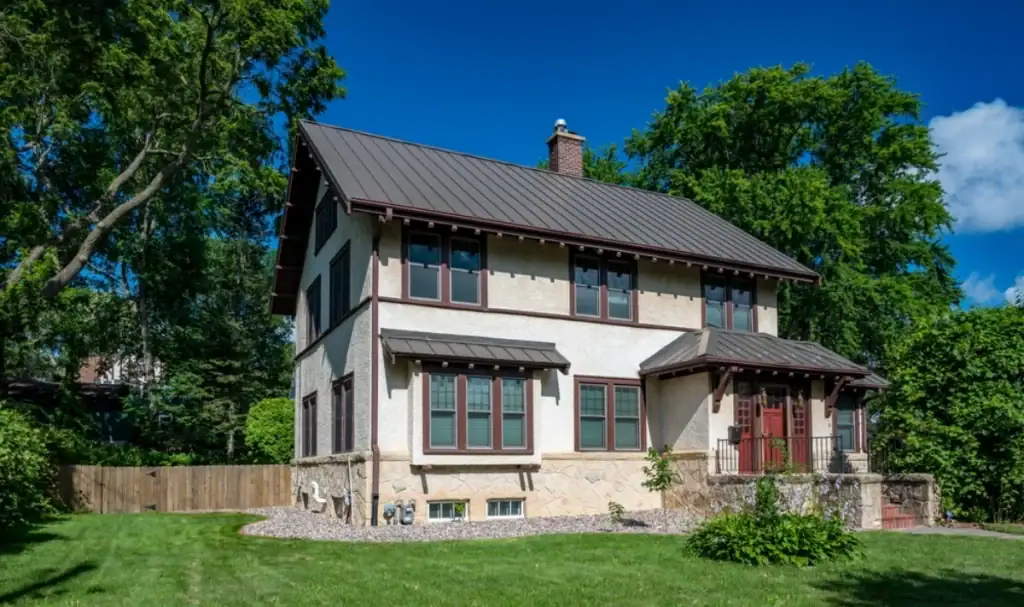
Corrugated steel roofing installation is straightforward enough that experienced DIYers can handle it, though hiring a professional ensures proper technique and warranty coverage. Panels come in standard lengths and widths. You measure, cut if needed, overlap the edges, and screw them down following the manufacturer’s spacing requirements. The corrugated profile guides where fasteners go—typically through the high points (ridges) rather than the valleys, though some profiles reverse this.
The key to good corrugated installation is consistent fastener spacing and proper tension. Screws need to be tight enough to compress the gasket and create a seal, but not so tight that they dimple the metal or over-compress the gasket. Too loose and you’ll get leaks. Too tight and you’ll damage the seal or restrict thermal movement. Getting this right across hundreds of fasteners requires experience and attention to detail.
Standing seam installation demands more expertise. Panels typically attach to the roof deck using clips spaced every 12-24 inches along the seam. These clips either nail or screw to the deck, then the panel edges snap into or slide into the clips. Once both adjacent panels are in place, the seams get locked together—either mechanically crimped with a seaming tool or snapped shut if it’s a snap-lock system. The result is a clean surface with no visible fasteners and seams that stand up about 1-2 inches above the panel.
Cost differences are significant. Corrugated metal roofing typically runs $4-6 per square foot installed, while standing seam systems cost $12-16 per square foot or more depending on panel profile, metal type, and roof complexity. For a typical 2,000 square foot roof, that’s the difference between $8,000-12,000 for corrugated versus $24,000-32,000 for standing seam. Both are more expensive than asphalt shingles upfront, but both last much longer and require less maintenance.
Labor costs account for much of the price gap. Corrugated installation is faster and requires less specialized skill, so labor runs lower. Standing seam takes longer, needs trained installers, and often requires specialized equipment like seaming machines. The complexity of the roof also affects cost—multiple valleys, dormers, or unusual angles add time and difficulty to any metal roof installation, but they impact standing seam more because of the precision required.
Material costs differ too. Standing seam panels typically use thicker gauge metal (22-24 gauge versus 26-29 gauge for corrugated) and come with more sophisticated clip systems. The panels themselves cost more per square foot even before installation labor. But that thickness and the concealed fastener system contribute to longer lifespan and lower maintenance costs over time.
The installation timeline matters if you’re living in the house during the work. Corrugated roofing can often be installed in 1-3 days for a typical residential roof, depending on size and complexity. Standing seam takes longer—usually 3-5 days or more—because of the detailed seaming work. Both timelines assume good weather and an experienced crew.
Seamless Metal Roofing Options and Considerations
Seamless metal roofing is a term that sometimes causes confusion because it can refer to different things. In the strictest sense, “seamless” means panels formed on-site to run the entire length of the roof without horizontal seams or joints. This is common with standing seam systems where panels can be roll-formed to custom lengths—sometimes 50 feet or more—eliminating the need for end laps.
The advantage of true seamless panels is fewer potential leak points. Every seam or joint is a place where water could potentially get in, so reducing the number of seams improves weather-tightness. With corrugated steel roofing, panels typically come in standard lengths (8, 10, 12, 16 feet are common), so longer roof runs require overlapping panels end-to-end. These end laps need proper sealant and fastening to prevent water infiltration.
Some contractors use “seamless” to describe standing seam systems in general because the raised seams create a continuous, clean look without exposed fasteners. This is more about appearance than actual construction—the panels still have seams, they’re just handled differently than corrugated overlaps. When you’re getting quotes or researching options, clarify what “seamless” means in that context.
For Monmouth County homes, the choice between corrugated and seamless standing seam often comes down to budget and priorities. If you’re replacing a roof on a budget and want metal’s durability and longevity, corrugated delivers strong value. You’ll get 20-30+ years of service, better performance than asphalt shingles, and lower upfront costs. The trade-off is more maintenance attention to fasteners and a more utilitarian appearance.
If you’re building new, doing a high-end renovation, or planning to stay in your home for decades, standing seam’s higher upfront cost may make sense. You’re paying for a system that can last 40-70 years with minimal maintenance, better weather-tightness, and a sleek modern aesthetic. The concealed fasteners eliminate the main maintenance concern with corrugated systems, and the floating clip system handles thermal movement more gracefully.
There’s no wrong choice between these systems—just different trade-offs. Corrugated steel roofing offers excellent value and performance for homeowners who want metal roofing benefits without premium pricing. Standing seam delivers maximum longevity and lowest lifetime maintenance for those who can afford the higher initial investment. Both outperform traditional asphalt shingles in durability, lifespan, and energy efficiency.
The local climate matters too. Monmouth County’s coastal conditions—salt air, storms, temperature swings—affect both systems, but they stress different components. Corrugated systems need quality coatings and regular fastener inspection. Standing seam systems need proper clip selection and installation to handle thermal movement without binding. A contractor with local experience understands these factors and can recommend the right approach for your specific location and exposure.
Choosing the Right Metal Roofing System for Your Home
Corrugated steel roofing gives you metal roofing’s core benefits—durability, longevity, energy efficiency—at a price point that makes sense for more budgets. You’re not compromising on quality, you’re choosing a system with different trade-offs than premium standing seam options. For many Monmouth County homeowners, those trade-offs work perfectly well.
The decision comes down to what matters most for your situation. If upfront cost is a priority and you’re comfortable with periodic fastener maintenance, corrugated delivers strong value. If you want the lowest possible lifetime maintenance and can invest more initially, standing seam makes sense. Both will outlast asphalt shingles and handle coastal New Jersey weather better than traditional materials.
Working with an experienced local contractor makes the difference in getting a metal roof that performs as expected. Installation quality matters more than the system you choose—poor installation will cause problems with any roofing material. We bring over 40 years of Monmouth County experience to every project, with owner-supervised work and warranties that back up the quality. Whether you’re leaning toward corrugated steel roofing or exploring standing seam options, getting expert guidance helps you make the right call for your home.