Skip to content

Roofing Company in Belford, NJ

Your Roof Fixed Right the First Time

Storm damage, leaks, or aging shingles? We handle Belford’s toughest roofing challenges with proven solutions that last.
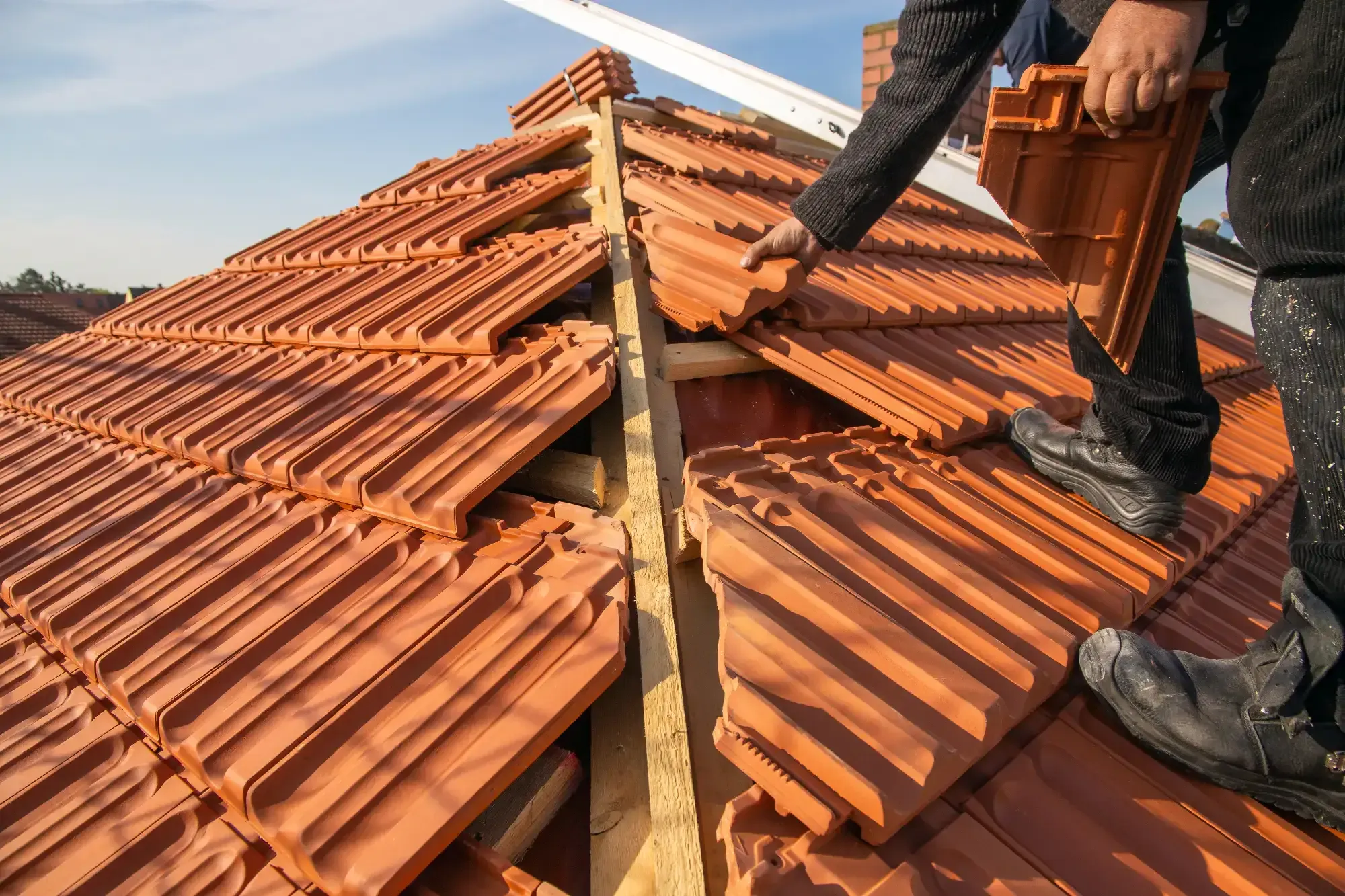
A roofing contractor in Monmouth County, NJ installs orange clay roof tiles on a wooden framework, carefully placing a tile near the roof’s ridge under clear daylight.

Hear from Our Customers

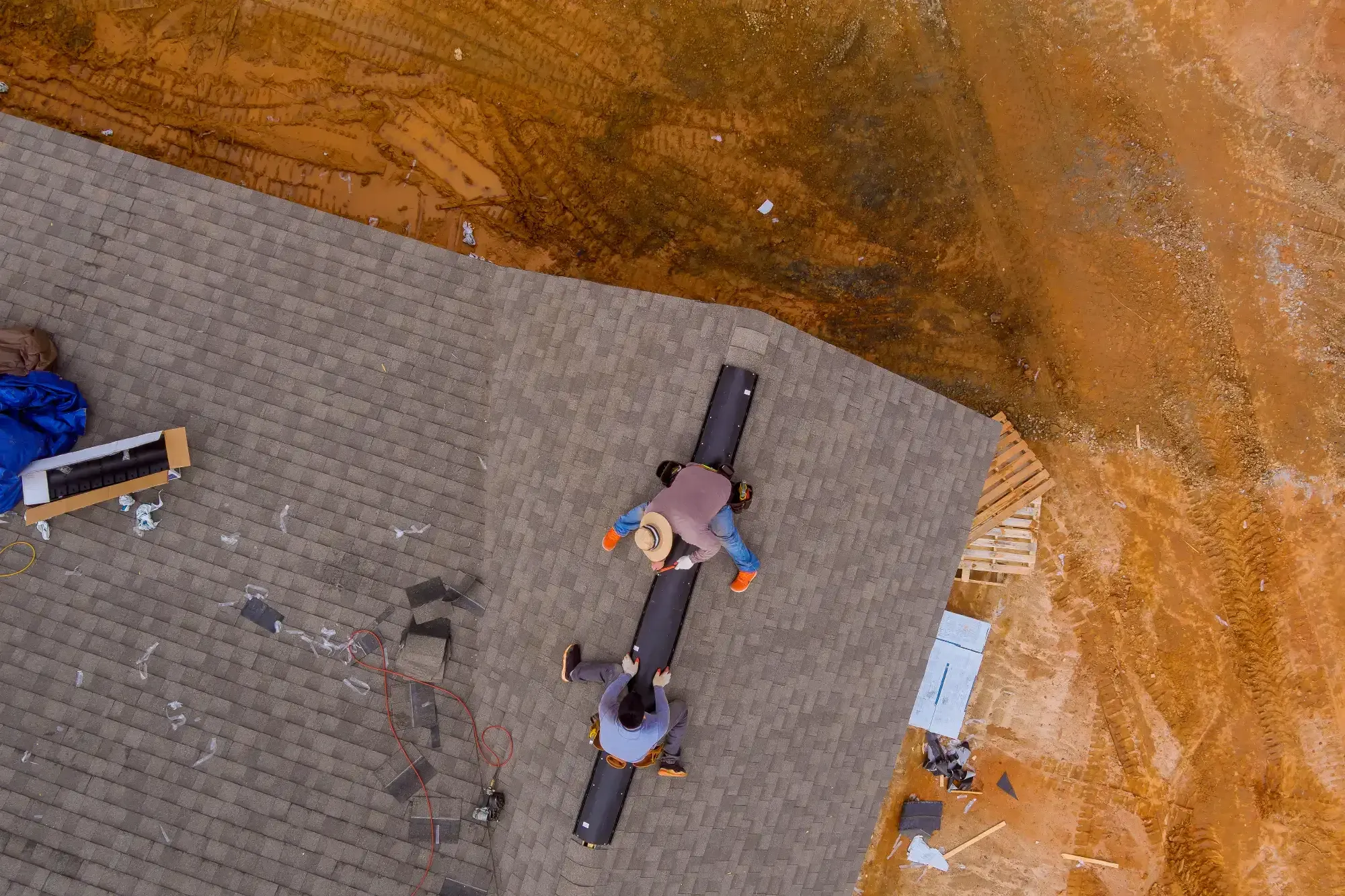
Aerial view of Roofing Contractor Monmouth County, NJ workers installing shingles on a house roof at a construction site, with tools and equipment scattered nearby on the roof and ground.

Professional Roof Repair Belford

Stop Worrying About Your Roof

You shouldn’t have to stress about water damage, energy bills, or whether your roof can handle the next storm. When we’re done, your roof works the way it should.

No more buckets in the attic. No more surprise leaks during heavy rain. No more wondering if that storm damage is getting worse.

Your home stays dry, your energy bills stay reasonable, and you get back to the things that actually matter to you.

Trusted Roofers Belford NJ

We Know Belford's Weather Challenges

A Russo Roofing & Siding has been serving Belford homeowners who understand that coastal weather doesn’t mess around. We’ve seen what nor’easters, summer storms, and constant humidity do to roofs in this area.

We’re not the guys who show up, take a quick look, and push you into a full replacement. We actually diagnose the problem and fix what needs fixing.

Living near the coast means your roof takes a beating from salt air, wind, and weather that changes fast. We use materials and techniques that work specifically for Belford’s climate, not some generic approach that works everywhere and nowhere.
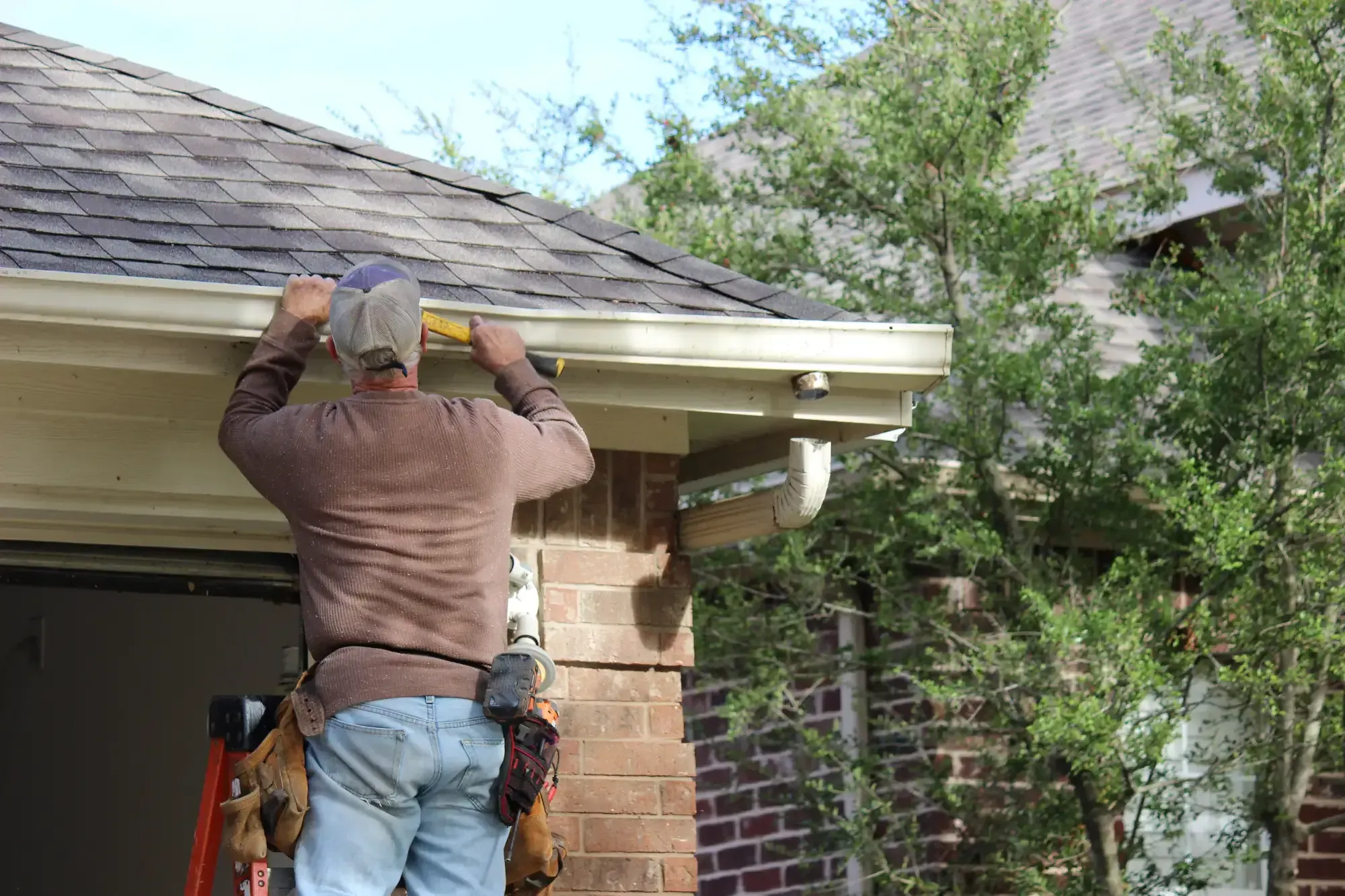
A Roofing Contractor in Monmouth County, NJ, in work clothes uses a level tool to check the alignment of a rain gutter on the roof edge of a brick house, standing on a ladder near some trees.

Roof Installation Process Belford

Here's Exactly What Happens

First, we come out and actually look at your roof. Not from the ground with binoculars, but up there where the problems are. We’ll tell you what’s wrong, what’s not wrong, and what you’re looking at cost-wise.

If it’s a repair job, we fix it properly the first time. If you need a replacement, we walk you through materials that make sense for your home and budget. No pressure, no games.

During the work, we protect your property, clean up daily, and keep you updated on progress. When we’re finished, we do a final walkthrough so you can see exactly what was done. You get documentation, warranty information, and our number for any questions down the road.
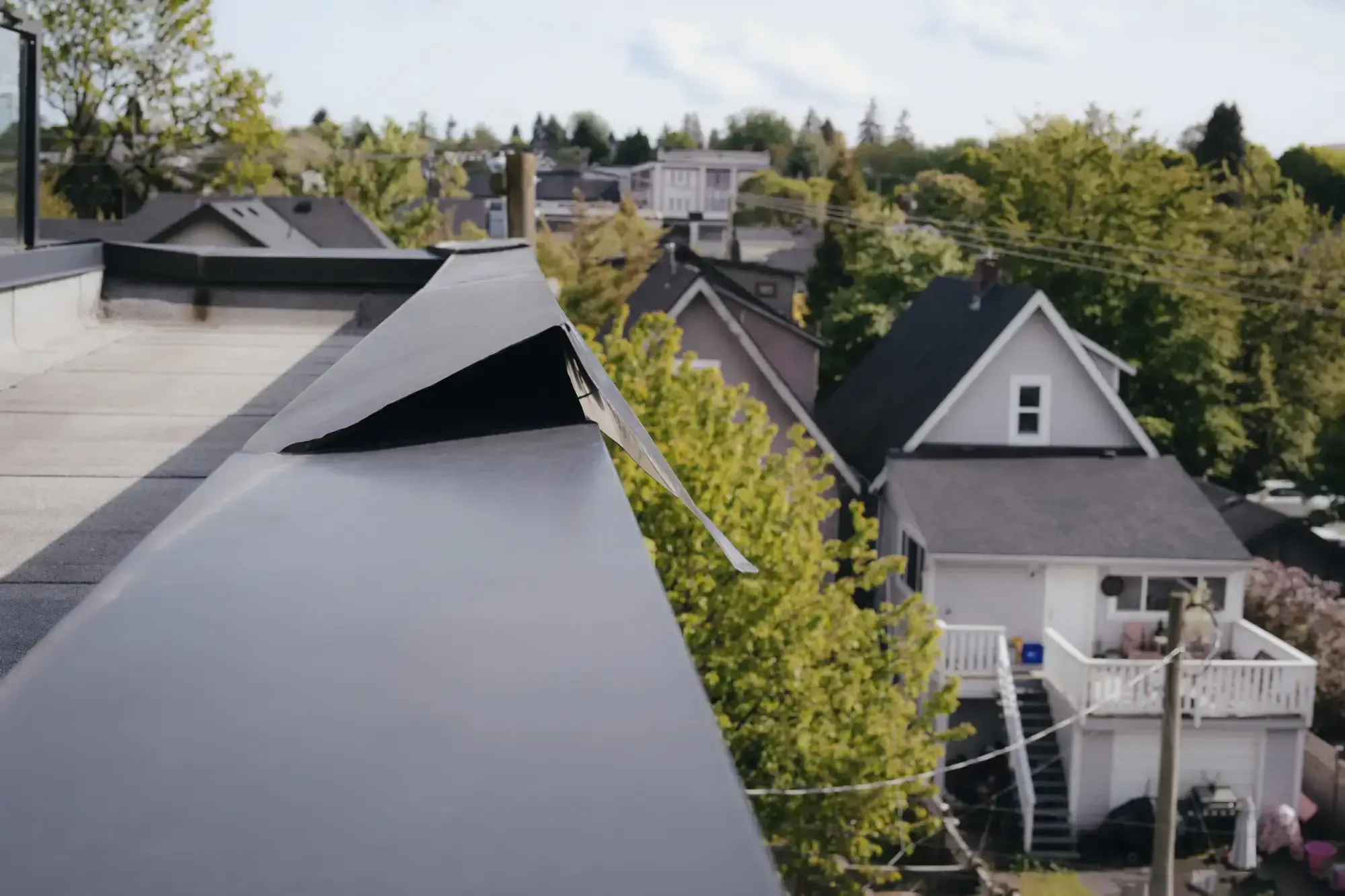
A close-up of a metal roof edge with a piece of flashing bent upwards, overlooking residential houses and trees in a suburban neighborhood—expertly detailed by a trusted Roofing Contractor in Monmouth County, NJ.

Ready to get started?

Explore More Services

About A Russo & Son Roofing

Get a Free Consultation

Residential Roofing Services Belford

What's Included in Our Service

Every job includes a thorough inspection, honest assessment, and upfront pricing. We handle everything from minor repairs to complete replacements, storm damage restoration, and emergency leak fixes.

For Belford homes, we focus on materials that handle coastal conditions. That means proper underlayment, corrosion-resistant fasteners, and shingles rated for high winds. We also check and upgrade ventilation, flashing, and gutters when needed.

You get a detailed estimate, timeline, and warranty information before we start. During the job, we handle permits, inspections, and cleanup. After we’re done, you get documentation for insurance and a clear warranty that covers both materials and workmanship.
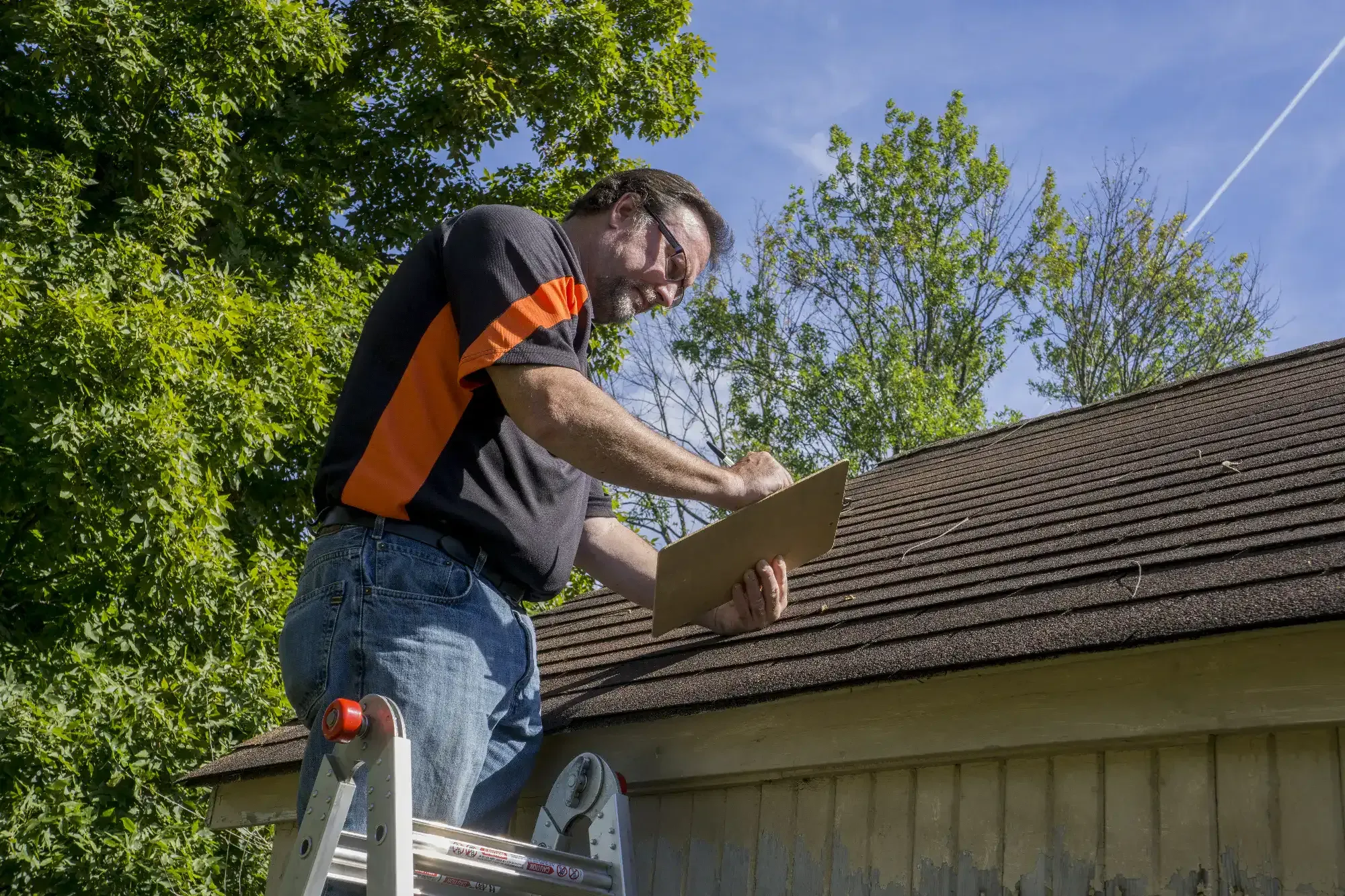
A Roofing Contractor in Monmouth County, NJ stands on a ladder inspecting a roof, writing notes on a clipboard. He wears safety glasses, a black and orange shirt, and jeans, with trees and blue sky in the background.
Most residential roof replacements in Belford take 1-3 days, depending on the size of your home, weather conditions, and complexity of the job. A simple ranch house might be done in a day, while a larger two-story home with multiple angles typically takes 2-3 days. Weather is the biggest variable here. We don’t work in unsafe conditions, so rain or high winds can delay the schedule. We’ll always give you a realistic timeline upfront and keep you updated if weather affects the work. Before we start, we’ll tell you exactly what to expect each day, including noise levels, work hours, and when different phases will be completed.
For Belford’s coastal environment, we typically recommend architectural shingles rated for high winds, metal roofing, or premium materials designed for salt air exposure. Standard 3-tab shingles don’t hold up as well to the constant wind and humidity we get here. Architectural shingles offer better wind resistance and longer warranties. Metal roofing is excellent for coastal areas because it doesn’t corrode and handles high winds extremely well. The key is proper installation with corrosion-resistant fasteners and quality underlayment. We also pay special attention to ventilation and flashing details, since moisture is a constant challenge near the coast. The right materials and proper installation techniques make a huge difference in how long your roof lasts.
In Belford, we recommend annual inspections, plus additional checks after major storms. Coastal homes face more weather stress than inland properties, so regular maintenance prevents small issues from becoming expensive problems. Spring is typically the best time for routine inspections, after winter weather has passed but before summer storm season. We check for loose or damaged shingles, flashing issues, gutter problems, and signs of moisture intrusion. After significant storms, it’s worth having a professional look for damage that might not be obvious from the ground. Insurance companies often cover storm damage, but you need to document it properly and address it quickly to prevent further problems.
Most homeowner’s insurance policies cover sudden storm damage, but coverage varies depending on your specific policy and the type of damage. Wind damage, hail damage, and damage from falling trees are typically covered, while general wear and tear or maintenance issues are not. The key is documenting damage quickly and properly. We can help you understand what’s likely covered and provide detailed reports and photos for your insurance claim. We work with insurance adjusters regularly and know how to present information in a way that supports your claim. If you suspect storm damage, don’t wait to have it inspected. Insurance companies expect you to prevent further damage, and delays can sometimes complicate claims. We can provide emergency tarping or temporary repairs while you work through the insurance process.
A good contractor will always look for ways to repair your roof if it makes financial sense. Repairs work when damage is localized, the roof structure is sound, and the existing materials are in decent condition overall. Replacement makes sense when repair costs approach 50% of replacement cost, when the roof is near the end of its expected lifespan, or when there’s widespread damage. We’ll never push you toward replacement if repairs will solve your problem effectively. The decision often comes down to age, extent of damage, and your long-term plans. A 10-year-old roof with localized storm damage is usually worth repairing. A 20-year-old roof with multiple problem areas might be better replaced, especially if you’re planning to stay in the home long-term.
Call for emergency service if you have active leaks, visible holes in the roof, or significant damage that’s exposing your home to weather. Don’t wait if water is coming in or if you can see daylight through the roof. Other signs that need immediate attention include large sections of missing shingles, damaged flashing around chimneys or vents, or structural damage from fallen trees or debris. If you’re not sure, it’s better to have someone look at it quickly than to risk water damage. We provide emergency tarping and temporary repairs to prevent further damage while planning permanent fixes. Most emergency calls can be addressed within 24 hours, depending on weather conditions and the extent of damage.