Skip to content

Roofing Company in Loch Arbour, NJ

Coastal Roofing Built to Last

Your Loch Arbour home deserves roofing that stands up to salt air, storms, and time.
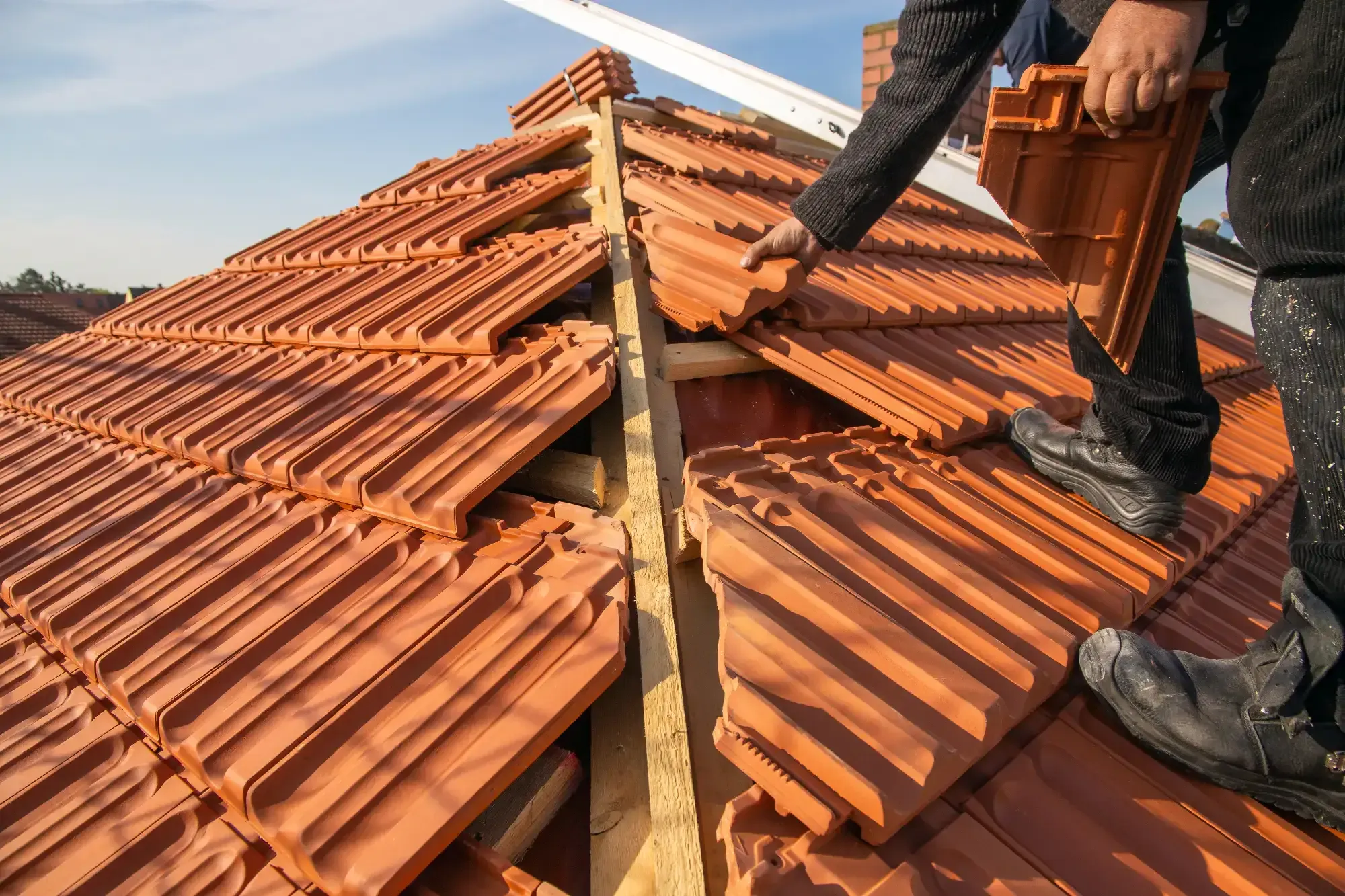
A roofing contractor in Monmouth County, NJ installs orange clay roof tiles on a wooden framework, carefully placing a tile near the roof’s ridge under clear daylight.

Hear from Our Customers

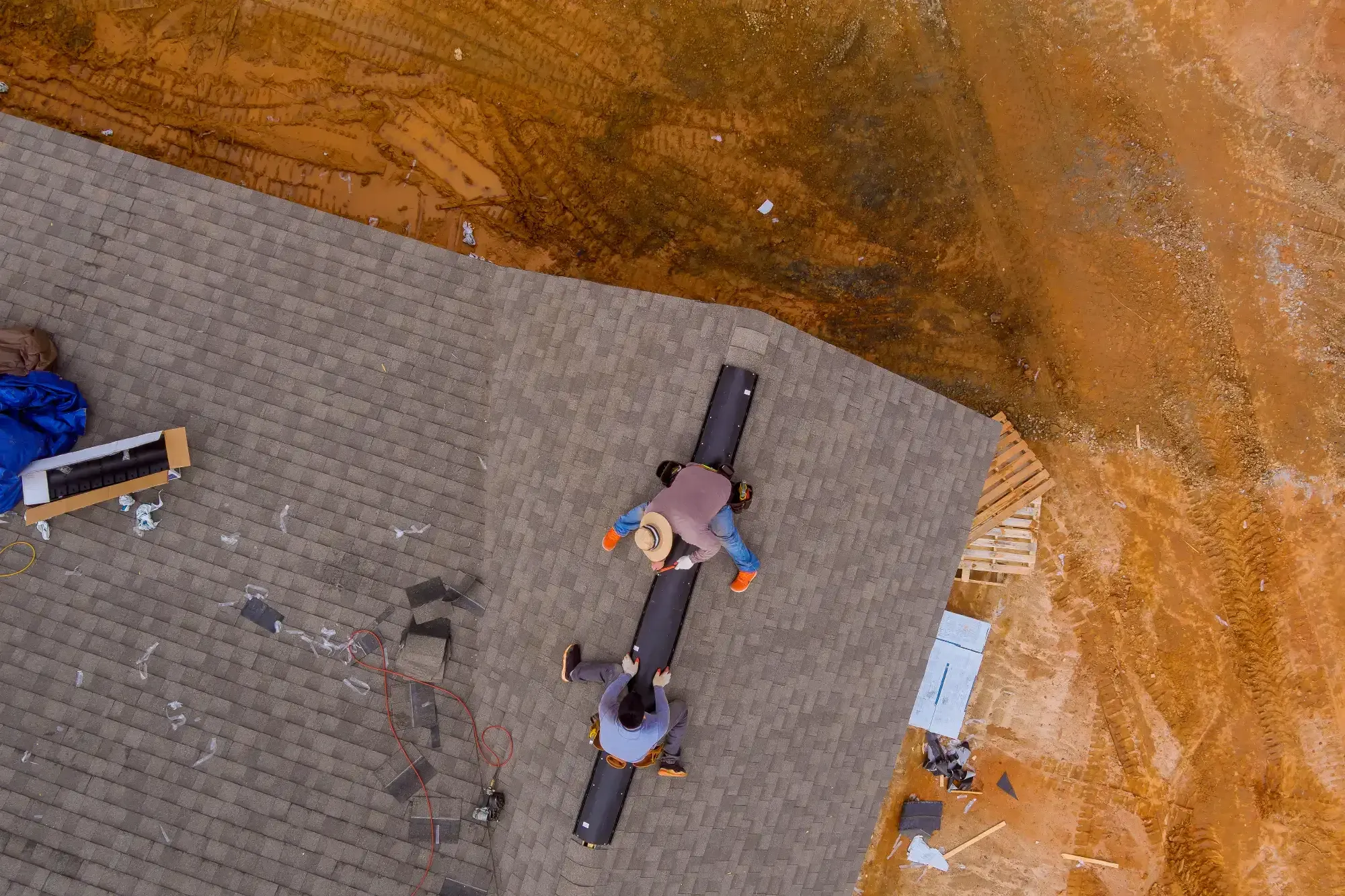
Aerial view of Roofing Contractor Monmouth County, NJ workers installing shingles on a house roof at a construction site, with tools and equipment scattered nearby on the roof and ground.

Loch Arbour Roofing Contractors

Protection That Actually Works

When you live steps from the ocean, your roof takes a beating that inland homes never see. Salt air eats through standard materials. Hurricane-force winds test every fastener. Humidity creeps into places you’d never expect.

You need roofing that gets it. That’s built for this exact environment. That won’t leave you scrambling for tarps when the next storm hits.

Your roof should be the one thing you don’t worry about when weather reports start talking about high winds and coastal flooding. It should protect your investment, not become another problem to solve.

Trusted Loch Arbour Roofers

Four Decades of Coastal Expertise

A Russo Roofing & Siding has been protecting Monmouth County homes for over 40 years. We’ve seen what works in coastal conditions and what doesn’t.

Our owner shows up to every job. Not because we don’t trust our crews, but because your million-dollar home deserves that level of attention. We’re not just another roofing company passing through town.

We’re your neighbors. We understand what Loch Arbour properties face because we’ve been fixing, replacing, and maintaining roofs here since before most companies even existed.
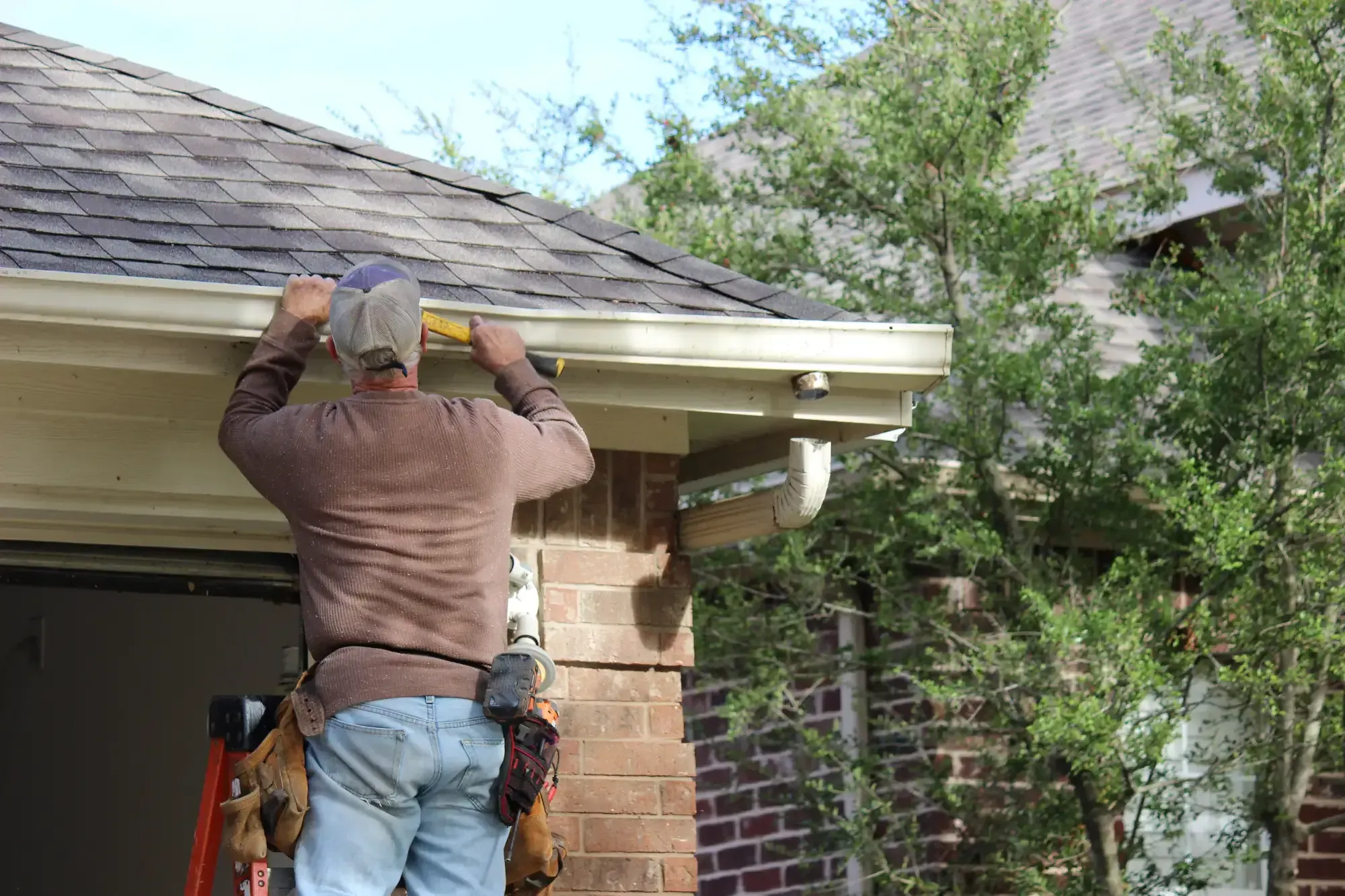
A Roofing Contractor in Monmouth County, NJ, in work clothes uses a level tool to check the alignment of a rain gutter on the roof edge of a brick house, standing on a ladder near some trees.

Roofing Process Loch Arbour

No Surprises, Just Results

We start with a thorough inspection that actually looks for coastal-specific problems. Salt corrosion on fasteners. Wind damage you might not see from the ground. Humidity issues that could turn into bigger problems.

Then we give you a straight answer about what needs to happen. No upselling. No scare tactics. Just honest assessment from people who’ve been doing this for decades.

When we do the work, we use materials that make sense for your location. Corrosion-resistant fasteners. Wind-rated installation methods. Proper ventilation that handles coastal humidity. Our owner oversees every step to make sure it’s done right.
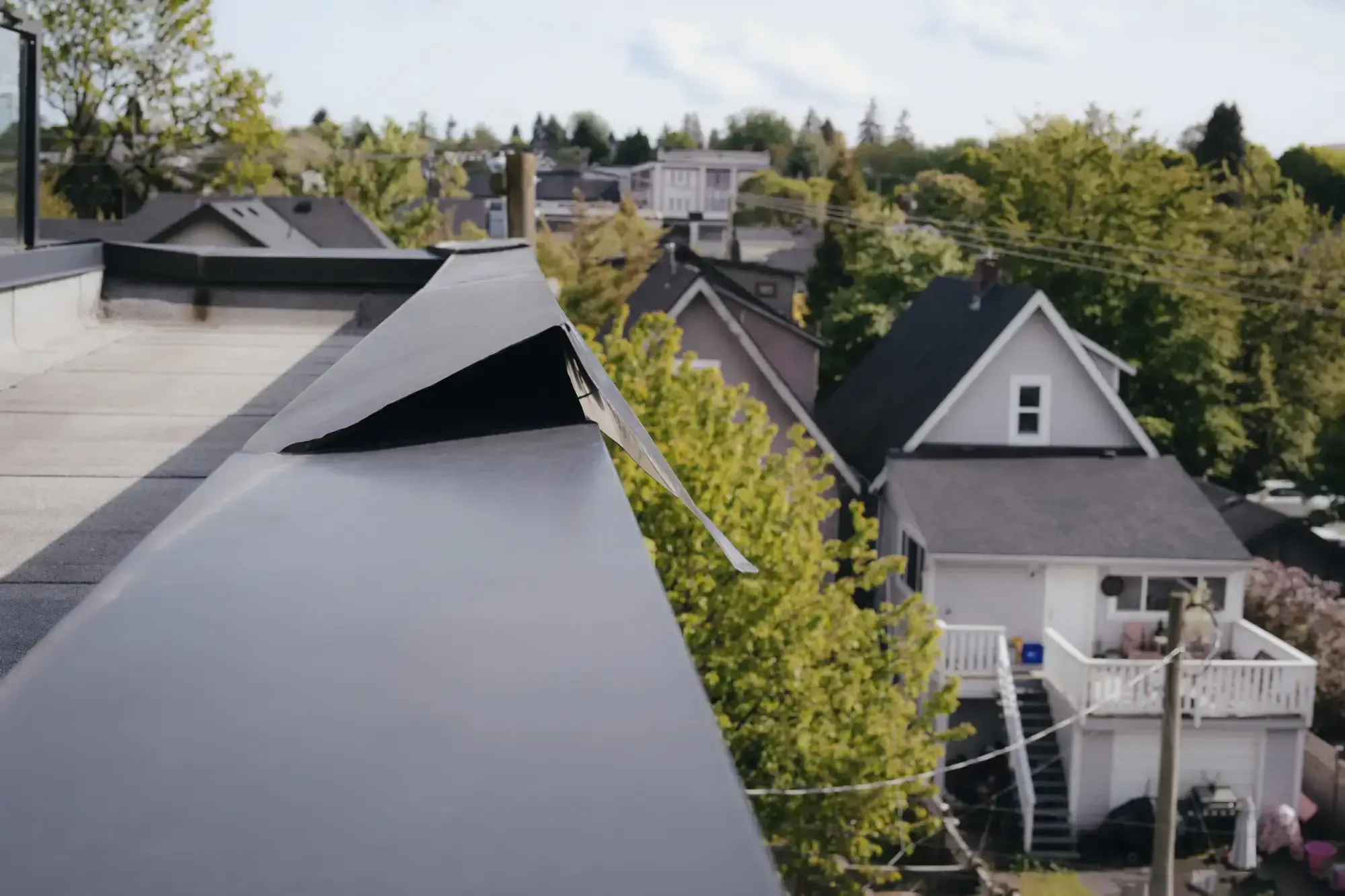
A close-up of a metal roof edge with a piece of flashing bent upwards, overlooking residential houses and trees in a suburban neighborhood—expertly detailed by a trusted Roofing Contractor in Monmouth County, NJ.

Ready to get started?

Explore More Services

About A Russo & Son Roofing

Get a Free Consultation

Coastal Roofing Solutions

Built for Your Environment

Living in Loch Arbour means your roof faces challenges that most roofers never deal with. Salt air that corrodes metal components faster than you’d think. Wind patterns that can lift shingles in ways that surprise even experienced contractors.

We use stainless steel and galvanized fasteners that won’t rust out in three years. Our installation methods account for the wind loads your roof actually faces, not just what the building code requires. We install proper ventilation systems that handle the humidity without creating condensation problems.

Every material we choose, every technique we use, is selected specifically for coastal conditions. Because generic roofing solutions don’t work when you’re this close to the ocean.
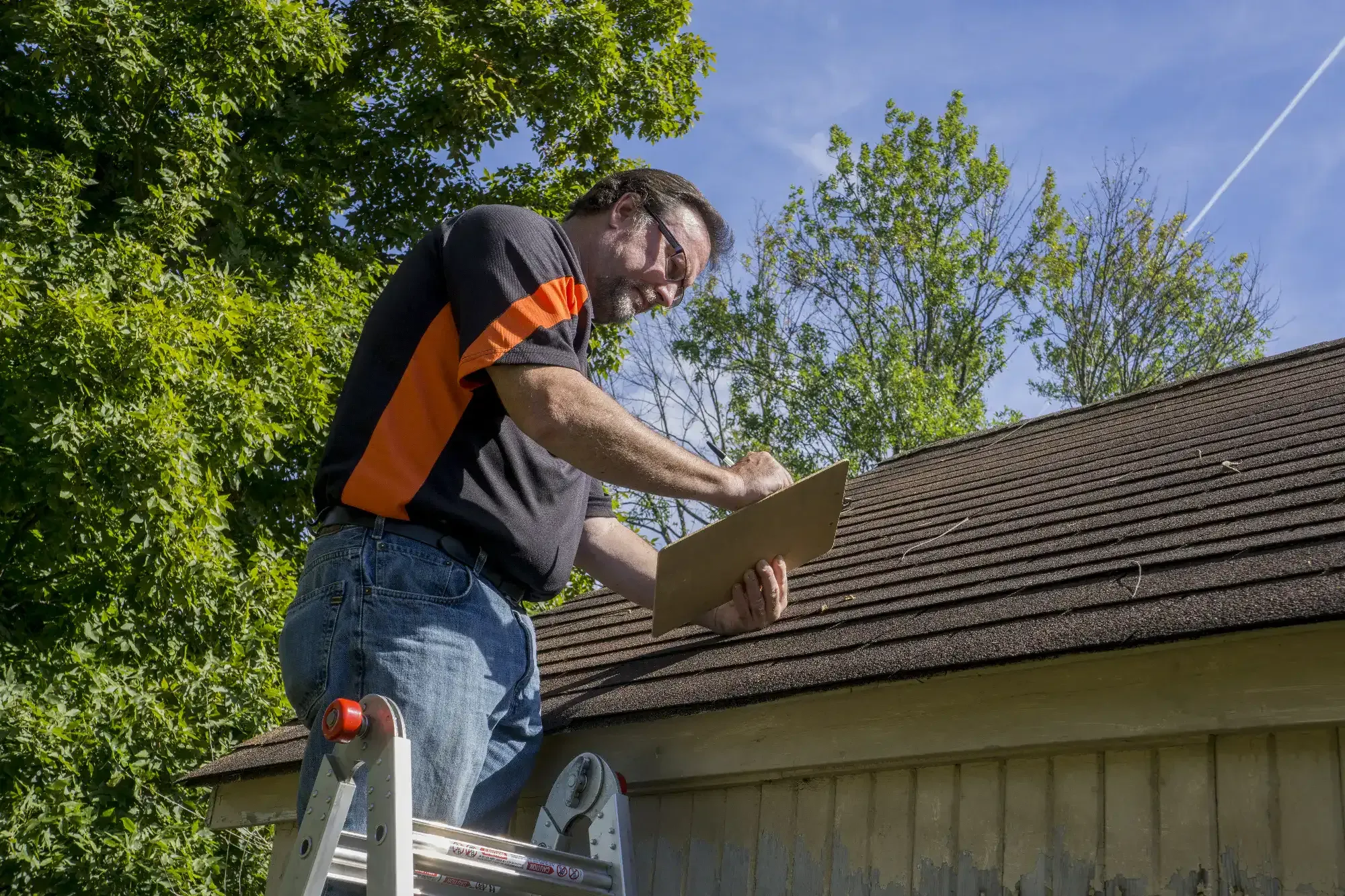
A Roofing Contractor in Monmouth County, NJ stands on a ladder inspecting a roof, writing notes on a clipboard. He wears safety glasses, a black and orange shirt, and jeans, with trees and blue sky in the background.
Salt air accelerates corrosion of metal components like fasteners, flashing, and gutters. Standard galvanized nails can rust through in just a few years near the coast.Salt particles also weaken other materials. They can make asphalt shingles more brittle and prone to wind damage. The constant moisture from salt air creates conditions where mold and mildew thrive.We combat this by using marine-grade stainless steel fasteners and corrosion-resistant materials. We also apply protective coatings where appropriate and ensure proper ventilation to manage moisture levels.
Metal roofing with proper coatings performs exceptionally well in coastal environments. It resists salt corrosion better than most materials and handles high winds effectively.High-quality asphalt shingles with algae-resistant granules also work well when properly installed with corrosion-resistant fasteners. The key is using materials rated for coastal exposure, not standard inland products.Cedar shingles are another excellent choice because the natural oils in cedar resist salt damage. Whatever material you choose, proper installation with marine-grade fasteners and adequate ventilation is crucial for longevity.
Coastal roofs need inspection at least twice a year, ideally in spring and fall. The harsh environment accelerates wear, so problems develop faster than they would inland.We also recommend post-storm inspections after any significant weather event. High winds can cause damage that’s not immediately visible but will lead to leaks if not addressed quickly.Regular maintenance is especially important for coastal properties. Small issues like loose fasteners or minor flashing problems can become major headaches if salt air gets into areas it shouldn’t.
Yes, we provide 24/7 emergency response for storm damage. When you’re dealing with a roof emergency, waiting until Monday morning isn’t an option.Our emergency service includes temporary repairs to prevent further damage, followed by permanent fixes once conditions allow. We keep emergency materials in stock specifically for coastal storm damage.We prioritize safety, so we won’t put our crew at risk during active storms. But we’ll be there as soon as it’s safe to work, often before other contractors even return your calls.
We offer a 30-year labor warranty and 20-year workmanship warranty on our installations. This covers defects in our work, not normal wear from coastal conditions.Our warranty specifically addresses issues that can arise from coastal exposure, like premature fastener failure or flashing problems. We stand behind our work because we use the right materials and installation methods for your environment.We also honor all manufacturer warranties on materials. When you combine our workmanship warranty with manufacturer coverage, you get comprehensive protection for your investment.
Proper ventilation is critical in coastal environments where humidity levels stay high year-round. We install ridge vents, soffit vents, and sometimes powered ventilation to ensure adequate airflow.The key is balancing intake and exhaust ventilation while preventing moisture infiltration. We use sealed ventilation systems that allow air movement without letting salt air and moisture into your attic space.We also install proper vapor barriers and ensure your attic insulation doesn’t block ventilation pathways. Poor ventilation leads to condensation problems, mold growth, and premature roof deck failure in coastal areas.