Summary:
Understanding Flat Roofing Materials for Modern NJ Homes
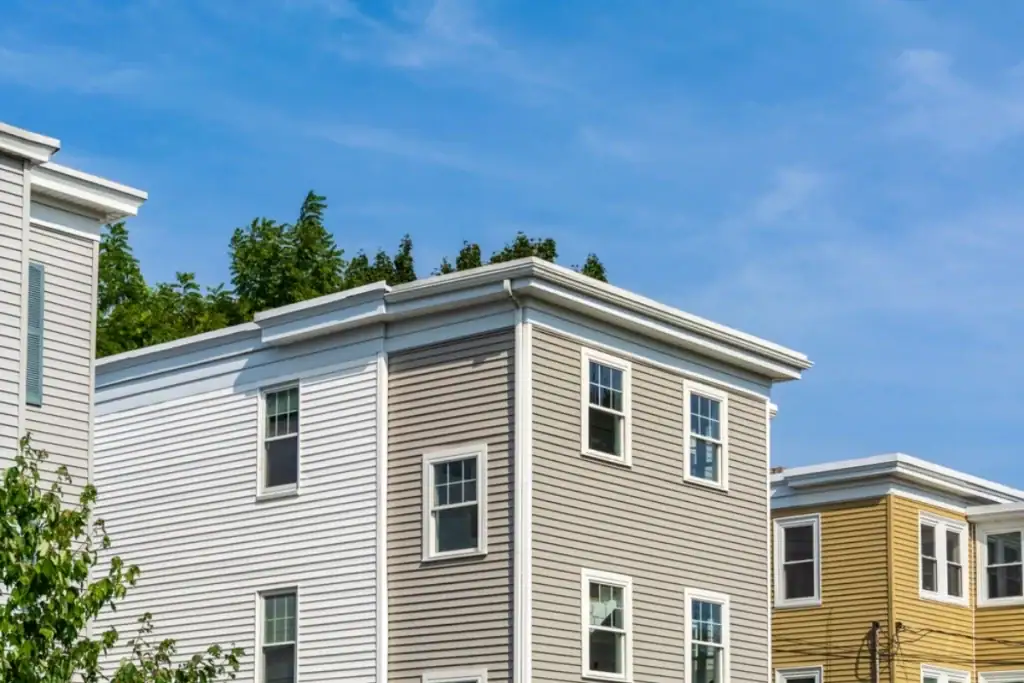
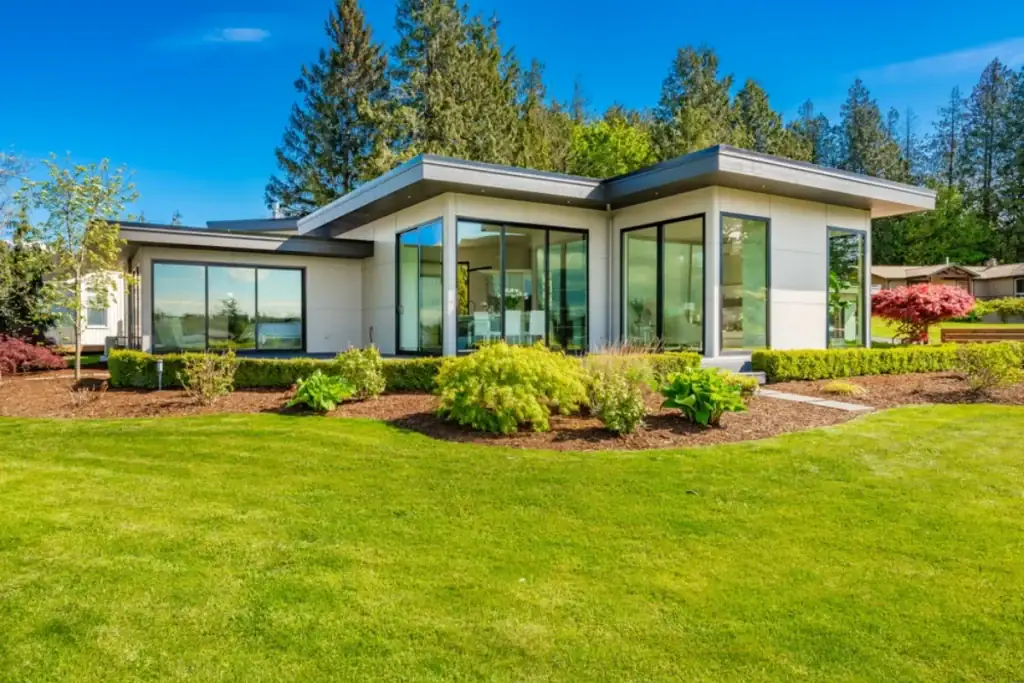
Flat roofs aren’t actually flat—they have a slight slope for drainage—but they look horizontal, which is exactly what gives modern and contemporary homes that clean, minimalist aesthetic. In Monmouth County, you’ll see them on shore properties, newer custom builds, and homes designed to maximize ocean views with rooftop decks.
The two materials that dominate flat roofing conversations are TPO and EPDM. TPO stands for thermoplastic polyolefin, and it’s that white membrane you see on commercial buildings and modern homes. EPDM is ethylene propylene diene monomer—a black rubber material that’s been around since the 1960s and has a track record you can actually verify.
Both are single-ply membranes, meaning they come in large sheets that get rolled out and seamed together. They’re not layered like traditional built-up roofing, which makes installation faster and keeps costs more predictable. But that’s where the similarities end.
What Makes White TPO Roofing Different
TPO roofing is white for a reason—it reflects sunlight instead of absorbing it. That reflective surface can make a measurable difference in your cooling costs during New Jersey’s humid summers. Studies show white roofs can reflect up to 75% of solar energy, which translates to real savings when your air conditioner doesn’t have to work overtime.
The seams on TPO roofs are heat-welded, not glued or taped. Our roofing crew uses specialized equipment to fuse the membrane sections together, creating a watertight bond that’s significantly stronger than adhesive-based seams. That strength matters in Monmouth County, where nor’easters and coastal storms test every weak point in your roofing system.
TPO typically lasts 15 to 20 years when installed correctly. That’s a solid lifespan, but it’s not the longest option available. The material itself is resistant to UV rays, mold, and punctures, which means it handles foot traffic reasonably well if you’re using your flat roof as a functional space.
One thing to watch: TPO quality varies by manufacturer. Some formulations hold up better than others, and cheaper versions can fail prematurely. If you’re going with TPO, the installation matters as much as the material itself. Proper welding technique, correct membrane thickness (60-mil is better than 45-mil), and attention to flashing details around edges and penetrations all determine whether your roof lasts two decades or starts leaking in ten years.
Energy efficiency is TPO’s biggest selling point. In warmer climates or homes with significant cooling loads, that white surface can reduce your energy bills by 10% to 20%. For a modern home with lots of glass and open floor plans, that cooling efficiency adds up over time.
How Black EPDM Roofing Performs Over Time
EPDM is the black rubber roofing you’ve probably seen on commercial buildings and older flat roofs. It’s been used since the 1960s, which means there’s decades of real-world performance data to look at. EPDM roofs that were installed properly are still going strong after 25, 30, even 40 years in some cases.
The material is flexible, even in cold temperatures. That flexibility matters in New Jersey, where freeze-thaw cycles can crack less durable materials. EPDM expands and contracts with temperature changes without losing its waterproofing integrity, assuming the installation was done right.
EPDM seams are different from TPO seams. Instead of heat-welding, EPDM sections are joined with adhesive tape or liquid adhesives. When those seams are installed correctly, they hold up well. But over time—especially if the installation was rushed or the adhesive wasn’t applied properly—those seams can start to lift, peel, or separate. That’s where EPDM roofs tend to develop problems.
The black color of EPDM absorbs heat rather than reflecting it. In colder climates, that’s actually a benefit—the roof absorbs solar heat and can help reduce heating costs in winter. But in summer, that same heat absorption means your air conditioner works harder. For homes in Monmouth County, where you get both cold winters and hot summers, that’s a trade-off worth considering.
EPDM is generally less expensive than TPO upfront. The material costs less per square foot, and installation is often faster because there’s no heat-welding equipment required. But longevity is where EPDM shines. If you’re planning to stay in your home long-term, the extra years you get from EPDM can offset the energy savings you’d see with TPO.
Maintenance is straightforward with EPDM. You need to keep an eye on the seams, especially around year ten, and make sure drainage is working properly. Ponding water—standing water that sits for more than 48 hours after rain—is the enemy of any flat roof, but EPDM handles it better than some alternatives if you catch it early.
TPO vs EPDM Roofing: Which Works Better for Monmouth County Homes
Monmouth County weather isn’t gentle on roofs. You get coastal storms, heavy snow in winter, humidity in summer, and temperature swings that stress roofing materials year-round. The right flat roofing choice depends on how your home uses energy, how long you plan to stay, and what kind of maintenance you’re willing to handle.
TPO makes sense if energy efficiency is your priority. If your modern home has large windows, open spaces, and high cooling costs in summer, that white reflective surface can make a noticeable dent in your utility bills. Homeowners report savings of 10% to 20% on cooling costs, which adds up over a 15-year lifespan.
EPDM makes sense if you want longevity and proven performance. If you’re planning to stay in your home for decades, or if you want a roof that’s been tested in real-world conditions for over 50 years, EPDM delivers. The material itself is less expensive, and the extra years you get from it can make it the more cost-effective choice long-term.
Energy Efficiency and Climate Considerations for NJ Shore Homes
White TPO roofs can lower your roof surface temperature by up to 50 degrees compared to black EPDM. That’s not marketing—that’s physics. Dark surfaces absorb more than 80% of solar energy, while white surfaces reflect 75% of it back. For a modern home in Monmouth County with minimal attic insulation (because flat roofs often eliminate attic space), that temperature difference matters.
If your home has rooftop decks, outdoor living spaces, or rooms directly below the flat roof sections, TPO’s cooling effect makes those spaces more comfortable in summer. You’re not just saving on energy bills—you’re making your home more livable during the hottest months.
But here’s what the energy efficiency conversation often misses: New Jersey has cold winters too. EPDM’s heat absorption, which works against you in summer, actually helps in winter. The black surface soaks up solar heat on sunny winter days, which can reduce heating loads slightly. It’s not a massive difference, but it’s worth considering if you’re looking at the full year, not just summer cooling costs.
The real energy efficiency comes from proper installation, not just material choice. If your flat roof has inadequate insulation, poor ventilation, or drainage problems that lead to ponding water, no material will perform efficiently. TPO and EPDM both work well when the entire roofing system is designed and installed correctly.
For Monmouth County specifically, where you get both heating and cooling seasons, TPO tends to deliver more net energy savings because cooling costs typically outweigh the minor heating benefits of EPDM. But if your home is well-insulated and your cooling costs are already low, EPDM’s longevity might be the better investment.
Durability, Maintenance, and What Actually Fails First
TPO’s heat-welded seams are stronger than EPDM’s adhesive seams—about four times stronger, according to industry testing. That strength advantage means TPO seams are less likely to fail from thermal expansion, building movement, or weather stress. When TPO roofs do develop problems, it’s usually from poor installation, not material failure.
EPDM’s weak point is the seams. Over time, the adhesives that bond those seams dry out, especially if the roof experiences extreme temperature swings or if the installation wasn’t perfect. You’ll often see lifting or separation at seams starting around year ten or fifteen. That doesn’t mean the roof is done—it means you need maintenance to reseal those areas before they become leaks.
Both materials can handle punctures and foot traffic, but EPDM is slightly more vulnerable to punctures from sharp objects or debris. TPO is more resistant to tears and impacts, which matters if you have trees near your home or if you’re using the flat roof as a functional space.
Ponding water is the real enemy of flat roofs, regardless of material. If water sits on your roof for more than 48 hours after rain, you have a drainage problem. That standing water accelerates membrane deterioration, adds weight stress to the structure, and eventually leads to leaks. Both TPO and EPDM can fail prematurely if drainage isn’t addressed.
Maintenance requirements are similar for both materials. You need to inspect your flat roof twice a year—spring and fall—and after major storms. Clear debris from drains, check seams for separation, look for signs of membrane damage, and make sure flashing around penetrations is intact. Catching small problems early prevents expensive repairs later.
The lifespan difference is real. EPDM roofs routinely last 25 to 30 years, with some exceeding 40 years when maintained properly. TPO roofs typically last 15 to 20 years. That ten-year difference matters if you’re planning long-term. Even if TPO saves you money on energy bills, EPDM’s extra decade of service can make it the more cost-effective choice over the life of your home.
Choosing the Right Flat Roofing Solution for Your Modern NJ Home
Your decision between TPO and EPDM comes down to priorities. If you want energy savings and you’re focused on the next 15 to 20 years, TPO delivers. If you want proven longevity and you’re thinking decades, EPDM makes sense. Both materials work in Monmouth County when installed correctly by professional contractors who understand flat roofing systems.
The installation matters as much as the material. Poor workmanship, rushed timelines, or cut corners will undermine even the best roofing membrane. Look for contractors who supervise their own work, who’ve been doing this for decades, and who stand behind their installations with real warranties.
If you’re ready to make a decision about your flat roofing project, we bring over 40 years of experience to modern and contemporary homes in Monmouth County, NJ. Our owner-supervised approach and 30-year labor warranty mean you’re working with people who’ll be around to back up their work.