Summary:
Why Professional Roofing Contractors Are Essential for Insurance Claims
Insurance companies aren’t in the business of paying out more than they have to. They have teams of adjusters trained to minimize claims, and they’re banking on you not knowing what you’re entitled to.
A professional roofing contractor levels the playing field. We understand insurance terminology, know what damage to look for, and can document everything properly. More importantly, we’ve worked with insurance companies hundreds of times and know exactly what documentation is needed to get your claim approved.
Without professional help, you’re likely to miss damage that isn’t immediately obvious, accept a settlement that doesn’t cover all necessary repairs, or have your claim denied altogether.
How Contractors Document Storm Damage for Maximum Coverage
Proper documentation is the foundation of any successful insurance claim. When you call a roofing contractor after storm damage, we’re not just looking at the obvious problems—we’re conducting a comprehensive assessment that covers every aspect of your roofing system.
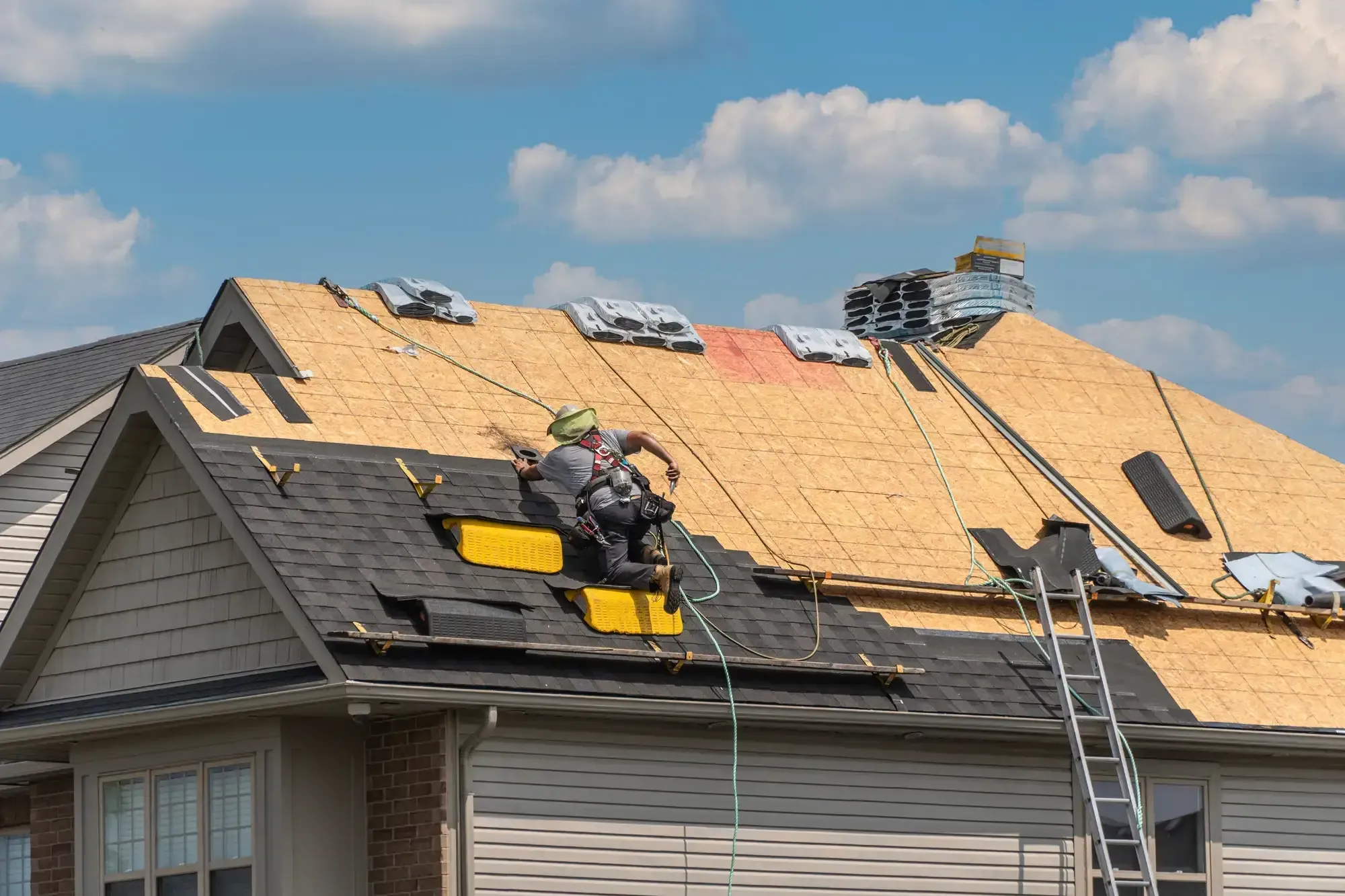
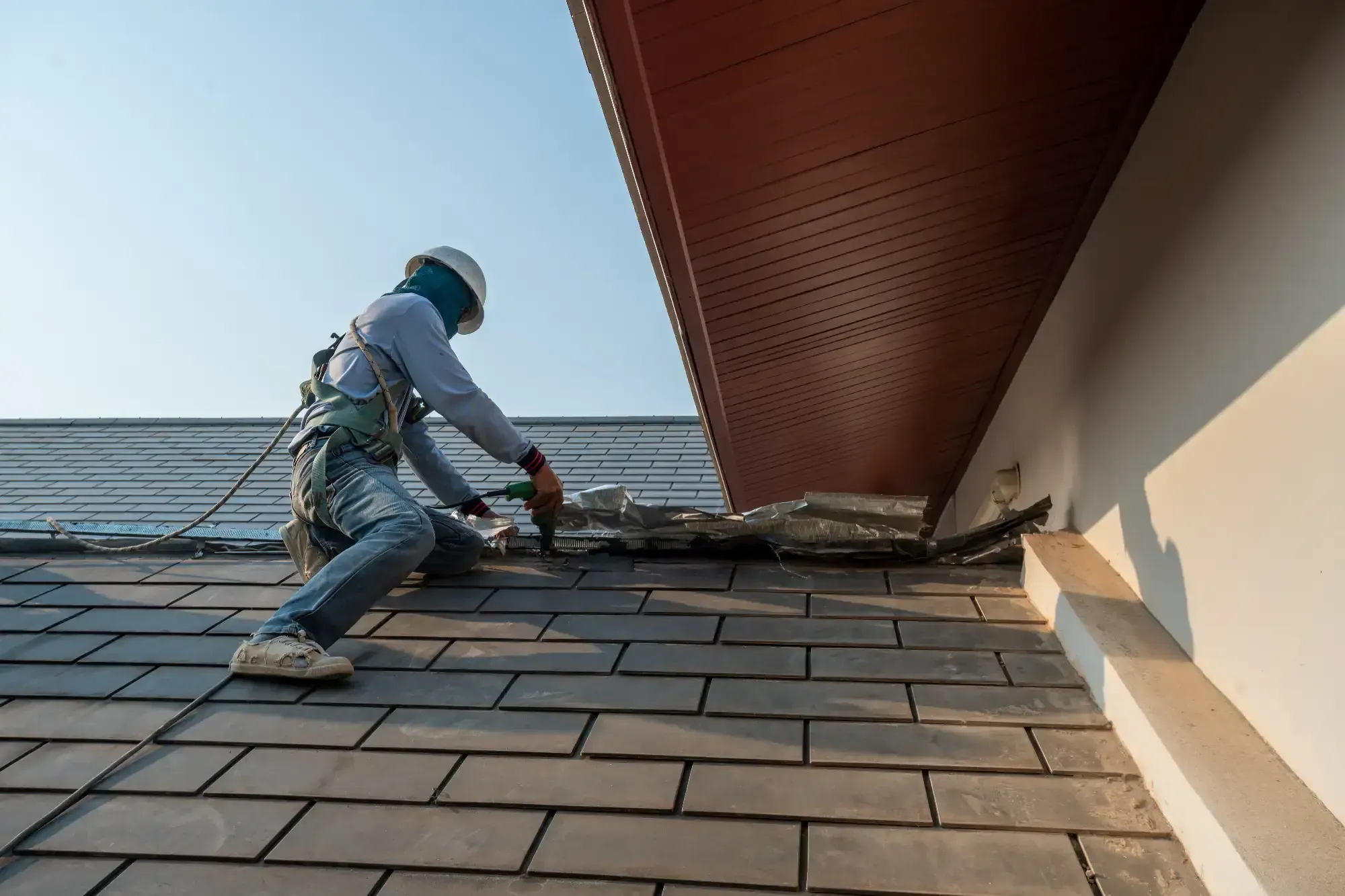
We photograph damage from multiple angles, measure affected areas, and create detailed reports that insurance adjusters can’t dispute. We know to check for wind damage to flashing, hail impact on gutters, and subtle signs of water infiltration that you might miss. This thoroughness is crucial because insurance companies will only pay for damage that’s properly documented.
In Monmouth County’s coastal environment, we also understand how salt air and high winds create specific types of damage patterns. We know where to look for corrosion on metal components and how nor’easters affect different roofing materials. This local expertise ensures that all storm-related damage is identified and included in your claim.
The documentation process extends beyond just taking pictures. We create detailed estimates that break down labor and materials costs according to insurance industry standards. We understand “summary pricing”—the predetermined market rates that insurance companies use—and can ensure your estimate aligns with what adjusters expect to see.
Working Directly With Insurance Adjusters
When your insurance adjuster arrives to inspect the damage, having your roofing contractor present can make the difference between a successful claim and a denied one. We speak the same language as adjusters and can point out damage that might otherwise be overlooked.
This isn’t about trying to inflate claims or commit fraud—it’s about ensuring that all legitimate storm damage is identified and covered. Insurance adjusters are often overloaded with claims after major storms and may rush through inspections. We serve as a second set of trained eyes, making sure nothing gets missed.
We also understand the claims process timeline. We know when to push for faster processing and when to be patient. We can help you avoid common mistakes that lead to claim denials, such as making temporary repairs without proper authorization or failing to mitigate further damage promptly.
In Monmouth County, where coastal storms can cause widespread damage, we regularly work with insurance companies and have established relationships with local adjusters. This doesn’t mean special treatment, but it does mean smoother communication and fewer delays in the claims process.
We can also help you understand what the adjuster’s report means and whether the settlement offer covers all necessary repairs. If the initial assessment seems low, we can provide additional documentation to support a supplemental claim for missed damage.
Maximizing Your Insurance Settlement and Avoiding Common Pitfalls
Getting your claim approved is just the first step. The real value comes from ensuring you receive adequate compensation to restore your property to its pre-storm condition. We understand how to maximize legitimate settlements while helping you avoid the pitfalls that can reduce your payout.
Many homeowners don’t realize that initial insurance assessments often miss additional damage that becomes apparent during the repair process. We know how to file supplemental claims when we uncover problems that weren’t visible during the original inspection.
We also understand the difference between replacement cost coverage and actual cash value, helping you navigate the claims process to receive the full benefit of your policy.
Understanding Replacement Cost vs. Actual Cash Value Coverage
Not all insurance policies are created equal, and understanding your coverage type is crucial for managing expectations during the claims process. Replacement cost coverage pays to repair or replace your roof at current market prices, while actual cash value coverage factors in depreciation based on your roof’s age and condition.
We can help you understand which type of coverage you have and how it affects your claim. If you have replacement cost coverage, we know how to ensure you receive the full replacement value. This often involves a two-check process where you receive partial payment initially and the remainder after completing repairs.
With actual cash value coverage, we can help you understand how depreciation is calculated and whether the settlement amount will be sufficient for proper repairs. In some cases, we may recommend upgrades that qualify for insurance discounts, helping offset the depreciation.
Monmouth County’s coastal location means roofs face more severe weather conditions than inland properties. We understand how to document this increased wear and tear to insurance companies, potentially affecting how depreciation is calculated. We can also advise on impact-resistant materials that may qualify for insurance discounts while providing better protection against future storms.
The timing of your claim can also affect coverage. Some policies have specific time limits for filing storm damage claims, and we’re familiar with these requirements and can help ensure you don’t miss critical deadlines that could result in denied coverage.
Avoiding Storm Chaser Scams and Choosing the Right Contractor
After major storms hit Monmouth County, out-of-state contractors often flood the area looking for quick profits. These “storm chasers” may offer to handle your insurance claim, but they often disappear once they receive payment, leaving you with substandard work and potential insurance complications.
Legitimate local roofing contractors have established reputations in the community and will be available for warranty work years after your project is complete. We understand local building codes, have relationships with suppliers, and know how coastal conditions affect different roofing materials.
When choosing a contractor to help with your insurance claim, verify their local license and insurance coverage. Ask for references from recent projects and check their Better Business Bureau rating. Reputable contractors won’t ask for large upfront payments or pressure you to sign contracts immediately.
Be particularly wary of contractors who offer to pay your insurance deductible or guarantee that insurance will cover all costs. These practices are often illegal and can jeopardize your claim. Professional contractors will explain the claims process honestly and help you understand what costs you may be responsible for.
As a local contractor, we understand Monmouth County’s specific challenges, from salt air corrosion to hurricane-force winds. We know which materials perform best in coastal environments and can recommend solutions that will withstand future storms. This expertise is invaluable when working with insurance adjusters who may not understand regional conditions.
We also help you plan for future storm preparedness. We can recommend preventive measures and maintenance schedules that may help prevent future claims while ensuring your roof provides maximum protection for your family and property.
Getting Professional Help With Your Storm Damage Insurance Claim
Dealing with storm damage and insurance claims doesn’t have to be overwhelming when you have the right professional support. Experienced roofing contractors serve as your advocate throughout the entire process, from initial damage assessment through final repairs.
The key is choosing a contractor who understands both the technical aspects of roofing and the intricacies of insurance claims. They should have local experience, proper licensing and insurance, and a track record of successful claims assistance.
Don’t let insurance companies minimize your legitimate storm damage claim. When you work with A Russo Roofing & Siding, you’re partnering with professionals who have over 40 years of experience helping Monmouth County property owners navigate the claims process and restore their properties to pre-storm condition.