Summary:
Regular Professional Inspections Catch Problems Early
Most homeowners only think about their roof when something goes wrong. By then, what started as a minor issue has often turned into expensive damage.
We recommend inspections at least twice yearly—typically in spring and fall. We’re trained to spot problems you’d never notice from the ground. A loose shingle here, a small gap in flashing there, or early signs of wear that could lead to leaks months down the road.
The difference between a $200 repair and a $2,000 emergency fix often comes down to timing. We catch these issues while they’re still manageable, before Monmouth County’s next storm turns a small problem into a major headache.
What We Look for During Roof Inspections
When we inspect your roof, we’re conducting a comprehensive health check that goes far beyond what most homeowners can see or understand. We examine every component systematically, looking for signs of current damage and potential future problems.
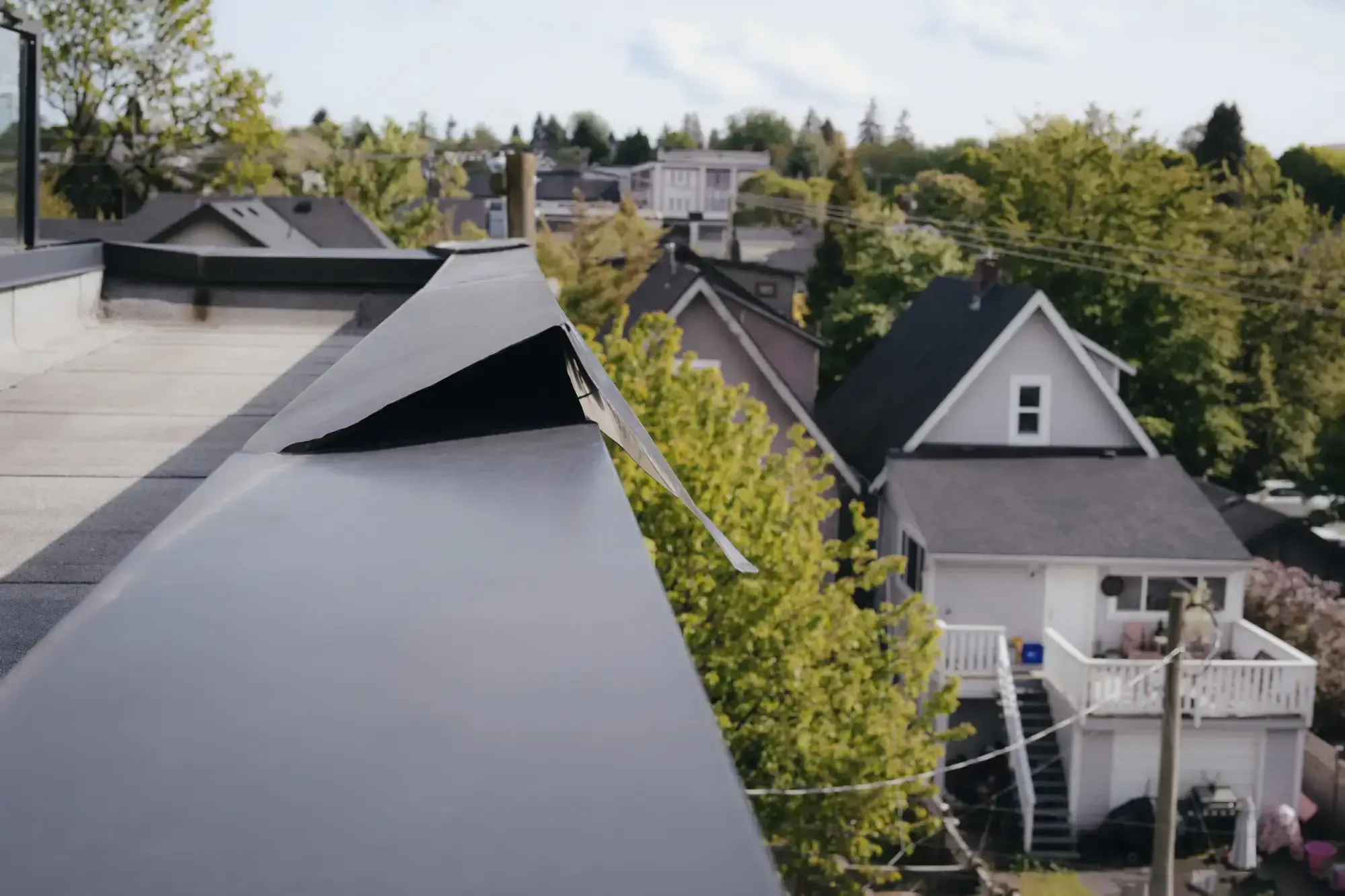
Shingle condition gets priority attention. We check for granule loss, cracking, curling, or missing pieces—all early warning signs that your roof’s protective barrier is compromising. We also inspect flashing around chimneys, vents, and roof penetrations, where most leaks actually start. These areas are particularly vulnerable to Monmouth County’s freeze-thaw cycles and heavy rains.
Gutter systems receive thorough evaluation too. We look for proper drainage, secure attachment, and signs of water backup that could damage your roof structure. We check for ice dam formation areas, especially critical in our region where winter conditions can cause significant problems.
Structural elements don’t get overlooked either. We examine the roof deck from inside your attic, looking for sagging, water stains, or signs of rot that indicate deeper issues. We assess ventilation systems to ensure proper airflow, which directly impacts your roof’s longevity and your home’s energy efficiency.
The Timing Strategy That Saves Money
When we inspect your roof, we’re conducting a comprehensive health check that goes far beyond what most homeowners can see or understand. We examine every component systematically, looking for signs of current damage and potential future problems.
Shingle condition gets priority attention. We check for granule loss, cracking, curling, or missing pieces—all early warning signs that your roof’s protective barrier is compromising. We also inspect flashing around chimneys, vents, and roof penetrations, where most leaks actually start. These areas are particularly vulnerable to Monmouth County’s freeze-thaw cycles and heavy rains.
Gutter systems receive thorough evaluation too. We look for proper drainage, secure attachment, and signs of water backup that could damage your roof structure. We check for ice dam formation areas, especially critical in our region where winter conditions can cause significant problems.
Structural elements don’t get overlooked either. We examine the roof deck from inside your attic, looking for sagging, water stains, or signs of rot that indicate deeper issues. We assess ventilation systems to ensure proper airflow, which directly impacts your roof’s longevity and your home’s energy efficiency.
Preventive Maintenance Programs That Add Years
We don’t just respond to problems—we prevent them. Our preventive maintenance programs are designed specifically to extend your roof’s lifespan through regular, strategic care.
These programs typically include debris removal, gutter cleaning, minor repairs, and protective treatments. The goal isn’t just keeping your roof functional, but optimizing its performance so it lasts longer than the manufacturer’s estimated lifespan.
We offer maintenance plans that spread costs over time, making roof care more affordable while ensuring nothing gets overlooked. It’s like having a personal roof health plan that catches issues before they become expensive problems.
Essential Maintenance Tasks That Make a Difference
Professional maintenance goes far beyond basic cleaning. We perform specific tasks that directly impact your roof’s longevity, each chosen for maximum impact on extending lifespan.
Debris removal happens regularly, but we do it strategically. We clear leaves, branches, and other materials that trap moisture against your roof surface. In Monmouth County’s humid climate, this moisture retention accelerates deterioration and creates conditions for mold and rot. We also remove moss and algae growth that can damage shingles over time.
Gutter maintenance extends beyond simple cleaning. We ensure proper drainage, repair loose sections, and check for adequate slope to prevent water backup. We also inspect and maintain gutter guards or screens that keep debris out year-round. Poor drainage can cause water to back up under shingles, creating damage that significantly shortens roof life.
Sealant and caulk maintenance might seem minor, but it’s crucial for longevity. We regularly inspect and refresh sealants around flashing, vents, and other roof penetrations. These areas are prime spots for water infiltration, and maintaining proper seals prevents the kind of gradual damage that forces premature roof replacement.
Ventilation system maintenance ensures proper airflow through your attic space. We clean vents, check for blockages, and ensure intake and exhaust vents work together effectively. Proper ventilation prevents moisture buildup that can rot roof decking and reduces temperature extremes that stress roofing materials.
How We Extend Different Roof Types
Different roofing materials require different approaches to maximize lifespan. We tailor our maintenance strategies based on your specific roof type, understanding that what works for asphalt shingles might not be optimal for metal roofing or other materials.
Asphalt shingle roofs, the most common in Monmouth County, benefit from regular granule loss monitoring and prompt replacement of damaged shingles. We focus on maintaining proper ventilation to prevent heat buildup that accelerates shingle aging. We also apply protective coatings when appropriate and ensure flashing remains watertight around all penetrations.
Metal roofing requires different attention. We inspect for rust spots, loose fasteners, and sealant deterioration around seams. We clean debris that can trap moisture against metal surfaces and check for proper expansion joint function. Metal roofs can last 40-70 years with proper care, but neglect can cut that lifespan significantly.
Tile and slate roofs need specialized handling. We carefully inspect for cracked or loose tiles, ensuring proper underlayment protection. We understand how to walk on these materials without causing damage and know when individual tiles need replacement versus when underlying issues require attention.
Flat or low-slope roofs common on additions or certain architectural styles need frequent drainage inspection and membrane maintenance. We ensure water doesn’t pool anywhere on the surface and maintain the integrity of the waterproof membrane that protects your home.
Partnering with the Right Contractor for Long-Term Success
The difference between a roof that lasts 20 years and one that serves you well for 30+ years often comes down to the contractor relationship you choose. The right partnership means having someone who understands your specific roof, your local weather challenges, and your long-term goals.
Look for contractors who offer comprehensive maintenance programs, not just emergency repairs. We understand Monmouth County’s unique weather patterns and how they affect different roofing materials. Most importantly, we’re invested in helping you get maximum value from your roofing investment.
When you’re ready to extend your roof’s life and protect your home for years to come, A Russo Roofing & Siding brings over 40 years of local experience to every project. We understand exactly how to help Monmouth County homeowners maximize their roof’s lifespan while keeping costs manageable.