Summary:
The Professional Storm Damage Assessment Process
When we arrive at your property after a storm, we don’t just climb up and start looking around. We follow a methodical process designed to catch every type of damage that severe weather can cause.
Our assessment begins before we even touch a ladder. We start with what’s called a “collateral damage inspection”—examining your property from ground level for signs that indicate roof damage above. This preliminary step often reveals the scope of damage before the detailed roof inspection begins.
Ground-Level Inspection: Reading the Storm's Story
The first phase of our professional storm damage assessment happens with both feet firmly planted on the ground. As experienced contractors, we know that your property tells the story of what happened during the storm, and we’re trained to read those signs.
We’ll walk the perimeter of your home looking for shingles or roofing materials scattered on the ground. Finding pieces of your roof in the yard is an obvious indicator of damage, but we also look for more subtle clues. Dents in your gutters, damaged siding, or marks on outdoor furniture can indicate hail size and wind strength—valuable information for assessing potential roof damage.
We also examine nearby trees for broken branches or fresh damage. If a large branch fell near your home, we’ll assess whether it could have struck your roof. We’ll check your driveway and walkways for granules from asphalt shingles, which often wash down during heavy rains following hail damage.
This ground-level inspection serves multiple purposes. It helps us understand the severity of the storm that hit your specific property, prepares us for what we might find on the roof, and provides documentation for insurance claims. We take photos during this phase, creating a visual record that supports our findings.
Interior Inspection: Spotting Hidden Water Damage
The first phase of our professional storm damage assessment happens with both feet firmly planted on the ground. As experienced contractors, we know that your property tells the story of what happened during the storm, and we’re trained to read those signs.
We’ll walk the perimeter of your home looking for shingles or roofing materials scattered on the ground. Finding pieces of your roof in the yard is an obvious indicator of damage, but we also look for more subtle clues. Dents in your gutters, damaged siding, or marks on outdoor furniture can indicate hail size and wind strength—valuable information for assessing potential roof damage.
We also examine nearby trees for broken branches or fresh damage. If a large branch fell near your home, we’ll assess whether it could have struck your roof. We’ll check your driveway and walkways for granules from asphalt shingles, which often wash down during heavy rains following hail damage.
This ground-level inspection serves multiple purposes. It helps us understand the severity of the storm that hit your specific property, prepares us for what we might find on the roof, and provides documentation for insurance claims. We take photos during this phase, creating a visual record that supports our findings.
On-Roof Inspection: Detailed Damage Assessment
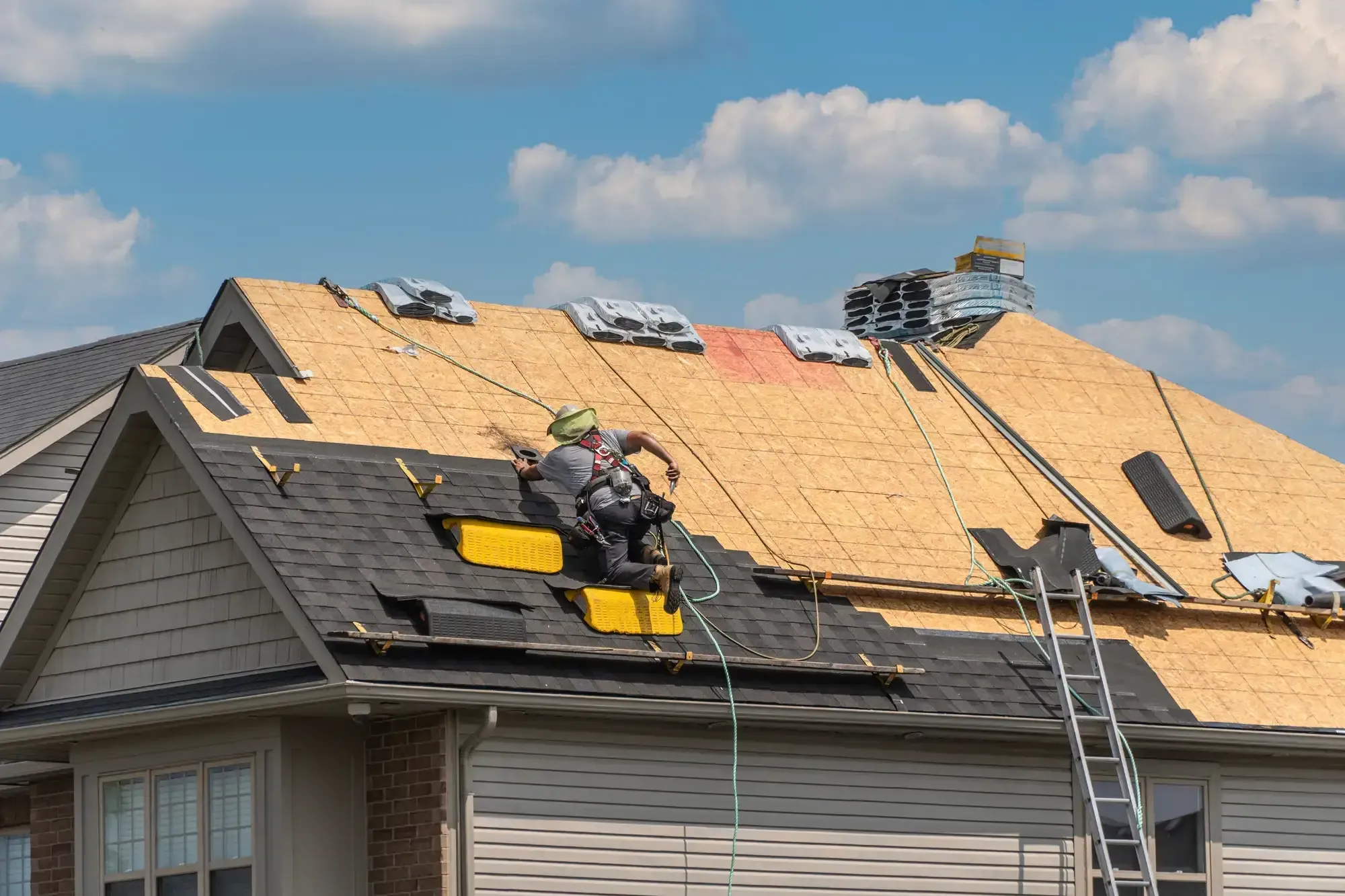
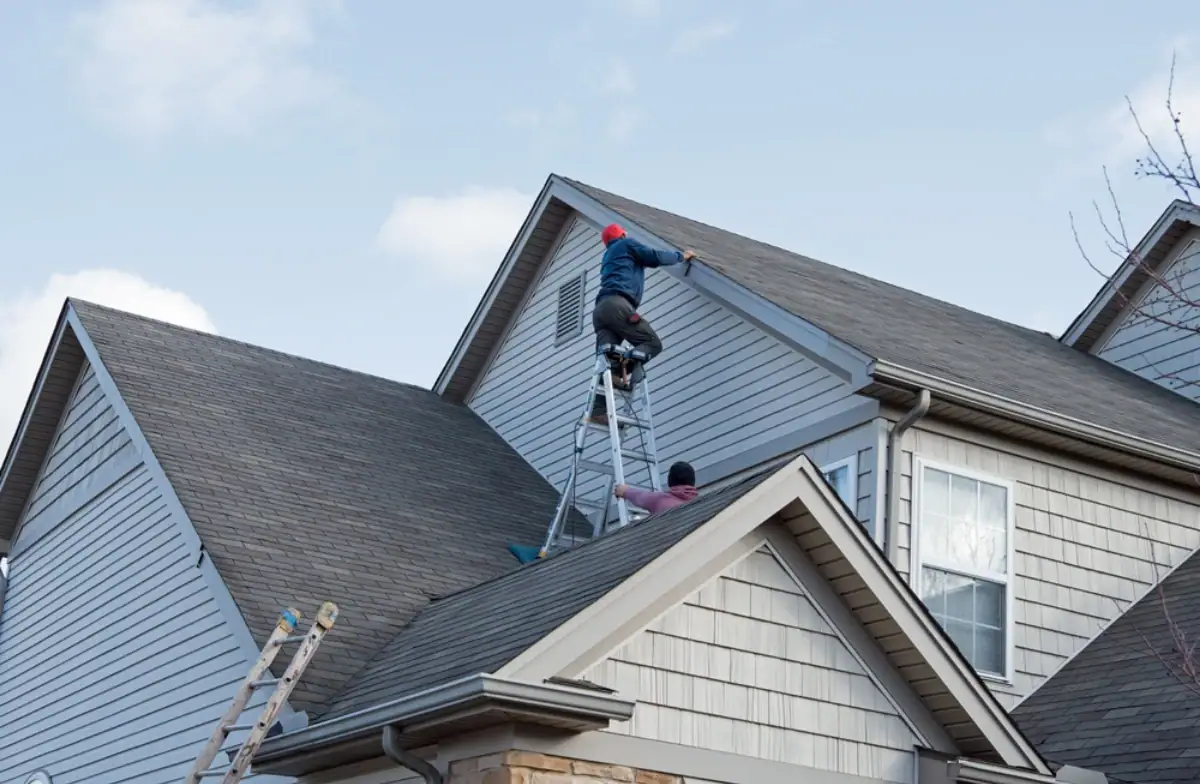
Once the ground-level and interior inspections are complete, we move to the most critical phase: the detailed roof inspection. This is where our training and experience really matter, as we examine every component of your roofing system for storm damage.
As professional contractors, we know exactly what to look for and how to safely navigate your roof while conducting a thorough inspection. We’ll systematically examine shingles, flashing, gutters, vents, and other roof components, documenting damage and assessing its severity.
Shingle and Surface Damage Evaluation
When we examine your shingles, we’re looking for several types of storm damage that might not be obvious to untrained eyes. Hail damage appears as small circular or oval-shaped marks where hailstones struck the shingles. These impacts can crack the shingle or knock off protective granules, exposing the underlying asphalt to UV damage and weathering.
Wind damage presents differently. Strong winds can lift shingle edges, creating creases or cracks that compromise the shingle’s ability to shed water. We check for loose, missing, or completely blown-off shingles. We also examine the seal strips that hold shingles in place, as damaged seals can lead to future shingle loss even if the current damage seems minor.
We use chalk to mark damage we find, circling hail strikes and marking areas of concern. This marking system helps us document the extent of damage and ensures nothing gets missed during the inspection. We’ll take detailed photos of marked damage, creating visual evidence for insurance claims.
Our assessment goes beyond individual shingles. We examine ridge caps, hip shingles, and starter strips—components that are particularly vulnerable to wind damage. We’ll check for proper installation and any displacement that occurred during the storm. We also assess the overall condition of your roof, noting any pre-existing issues that might have made storm damage worse.
Flashing, Gutters, and Component Inspection
We pay special attention to your roof’s flashing—the metal strips that seal joints around chimneys, vents, skylights, and other roof penetrations. Storm damage to flashing is often the most serious type of damage because it can allow immediate water intrusion into your home.
We examine flashing for dents, cracks, or displacement. We’ll check that flashing remains properly sealed and hasn’t pulled away from surrounding materials. Hail can dent flashing severely enough to create low spots where water pools, while high winds can lift or tear flashing entirely.
Gutter inspection is equally important. We look for dents, cracks, or sections that have pulled away from the house. We’ll examine the inside of gutters for accumulated granules from damaged shingles—a telltale sign of hail damage. Damaged gutters can’t properly channel water away from your home, potentially causing foundation problems or additional roof damage.
Roof vents, exhaust fans, and other roof-mounted equipment receive careful inspection. These components are often the most vulnerable to storm damage because they protrude from the roof surface. We check for cracks, dents, or displacement that could allow water intrusion. We’ll also examine the flashing and seals around these components.
Finally, we assess your roof’s overall structural integrity. We’ll look for sagging areas, damaged decking, or other signs that the storm may have caused structural damage requiring immediate attention. This comprehensive approach ensures that no aspect of storm damage goes undetected.
Professional Assessment: Your Best Protection After the Storm
Professional storm damage assessment isn’t just about finding obvious problems—it’s about protecting your home’s long-term integrity and your financial investment. The systematic approach that we use catches damage that homeowners typically miss, preventing small problems from becoming expensive disasters.
When you’re dealing with potential storm damage in Monmouth County, NJ, our expertise can mean the difference between a properly documented insurance claim and out-of-pocket expenses. Our trained eye, systematic approach, and detailed documentation provide the foundation for effective repairs and full insurance coverage.
Don’t leave your home’s protection to chance after a storm. Contact A Russo Roofing & Siding for a professional assessment that gives you the complete picture of your roof’s condition and the peace of mind that comes with knowing exactly where you stand.