Summary:
What Causes Unexpected Damage During Roofing Projects
Unexpected damage during roofing projects isn’t anyone’s fault—it’s simply the nature of working with structures that have been exposed to Monmouth County’s varied weather conditions for years or decades. Most damage remains hidden until the old roofing materials are removed.
Common types of unexpected damage include rotted wood decking from long-term water infiltration, compromised structural elements that weren’t visible during initial inspections, and issues with underlayment or flashing that only become apparent once work begins. Weather-related damage from coastal storms and temperature fluctuations can also compound over time, creating problems that surface only when contractors start the replacement process.
Hidden Structural Issues That Surface During Tear-Off
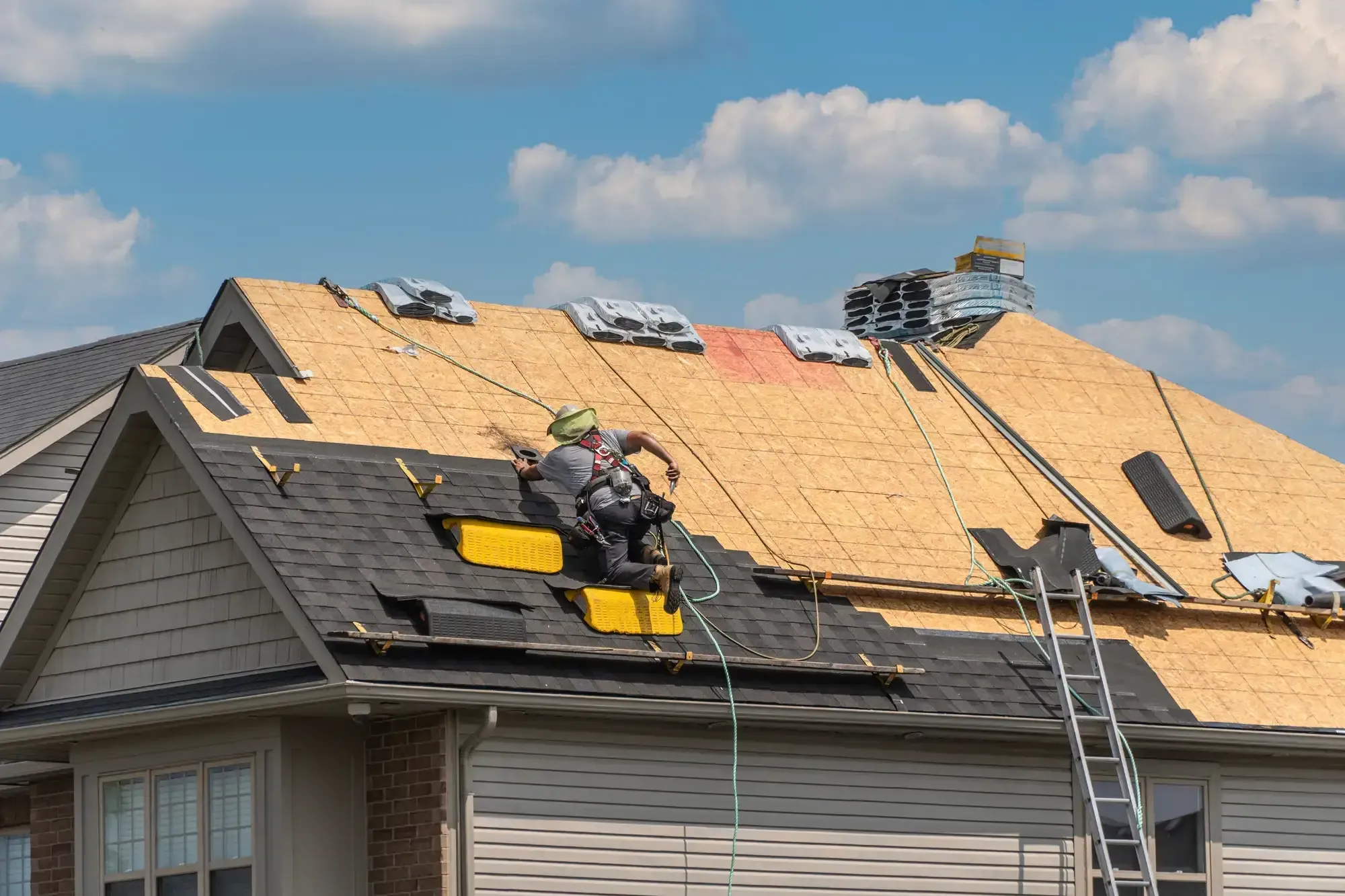
The tear-off process often reveals problems that were impossible to detect during the initial inspection. Water damage is the most common culprit, having slowly worked its way through compromised areas over months or years while homeowners remained unaware of the developing problem.
Rotted roof decking presents the biggest surprise for homeowners in Monmouth County, NJ. What looks like a solid roof from the outside can hide significant decay underneath. This happens when small leaks go unnoticed, allowing moisture to saturate the wood substrate over time. The damage often extends beyond the immediately visible area, requiring more extensive repairs than initially anticipated.
Structural issues can also emerge during the project. Sagging rafters, compromised trusses, or inadequate support systems become apparent once the old materials are removed. These problems may have developed gradually due to the weight of snow and ice during harsh New Jersey winters, becoming noticeable only when the roof’s protective layers are stripped away.
Flashing failures around chimneys, vents, and roof penetrations frequently reveal themselves during replacement projects. Old flashing may have been improperly installed or deteriorated over time due to coastal salt air and temperature changes, creating entry points for water that caused damage to surrounding areas. This type of damage often spreads beyond the immediate flashing area, affecting nearby decking and structural elements that require attention from experienced roofing contractors.
Weather-Related Complications and Material Issues
The tear-off process often reveals problems that were impossible to detect during the initial inspection. Water damage is the most common culprit, having slowly worked its way through compromised areas over months or years while homeowners remained unaware of the developing problem.
Rotted roof decking presents the biggest surprise for homeowners in Monmouth County, NJ. What looks like a solid roof from the outside can hide significant decay underneath. This happens when small leaks go unnoticed, allowing moisture to saturate the wood substrate over time. The damage often extends beyond the immediately visible area, requiring more extensive repairs than initially anticipated.
Structural issues can also emerge during the project. Sagging rafters, compromised trusses, or inadequate support systems become apparent once the old materials are removed. These problems may have developed gradually due to the weight of snow and ice during harsh New Jersey winters, becoming noticeable only when the roof’s protective layers are stripped away.
Flashing failures around chimneys, vents, and roof penetrations frequently reveal themselves during replacement projects. Old flashing may have been improperly installed or deteriorated over time due to coastal salt air and temperature changes, creating entry points for water that caused damage to surrounding areas. This type of damage often spreads beyond the immediate flashing area, affecting nearby decking and structural elements that require attention from experienced roofing contractors.
How Professional Contractors Manage Unexpected Discoveries
When unexpected damage is discovered, we and other professional roofing contractors follow a systematic approach that prioritizes communication, documentation, and problem-solving. The goal is to address issues promptly while keeping homeowners informed every step of the way.
The first step involves immediate assessment and documentation. We photograph the damage, assess its extent, and determine the best course of action. This documentation serves multiple purposes: it provides visual evidence for insurance claims, helps with accurate cost estimates, and ensures nothing is overlooked during the repair process.
Communication Protocols When Damage Is Found
Clear communication becomes critical when unexpected damage is discovered during any roofing project. We understand that homeowners need to understand what’s happening, why it’s happening, and what options are available for moving forward successfully.
The conversation typically begins with an immediate phone call or face-to-face discussion. We explain what we’ve found, show photographs of the damage, and discuss the implications for the project timeline and budget. This isn’t just about additional costs—it’s about ensuring the homeowner understands the safety and structural implications of the discovered damage and why addressing it properly is essential.
We take time to explain the damage in terms homeowners can understand. We avoid technical jargon and focus on practical implications: what caused the damage, how it affects the integrity of the roof, and what needs to be done to address it properly. This educational approach helps homeowners make informed decisions about how to proceed with confidence.
We also provide a detailed written assessment of the additional work needed. This includes a breakdown of materials, labor, and timeline adjustments. Transparency in pricing and scope helps homeowners understand exactly what they’re paying for and why the additional work is necessary for a successful, long-lasting roof replacement.
We discuss options whenever possible. Sometimes there are different approaches to addressing the same problem, each with different cost implications and long-term benefits. We present these options clearly, helping homeowners choose the approach that best fits their budget and long-term goals for their home.
Documentation and Insurance Considerations
Proper documentation becomes essential when unexpected damage is discovered during a roofing project. This documentation serves multiple purposes and can be crucial for insurance claims and future reference, especially when dealing with significant structural issues or extensive damage.
We photograph all discovered damage from multiple angles, showing both the extent of the problem and its relationship to surrounding areas. These photos become part of the project record and can be invaluable for insurance purposes. The documentation should also include written descriptions of the damage, probable causes, and recommended repairs with detailed explanations.
Insurance considerations often come into play when unexpected damage is discovered during roof replacement or repair projects. If the damage resulted from a covered event like a storm or sudden accident, homeowners may be able to file a claim for the additional repairs. We’re experienced in working with insurance companies and can help homeowners understand their coverage and provide the documentation needed for successful claims.
The timing of insurance claims is important for Monmouth County, NJ homeowners. Most policies require claims to be filed within a specific timeframe after damage is discovered. We understand these requirements and can help homeowners navigate the claims process efficiently while ensuring all necessary repairs are completed properly.
We have established relationships with insurance companies and understand their requirements for documentation and repair procedures. This experience can streamline the claims process and help ensure that repairs meet insurance standards. However, homeowners should always verify that their contractor is working in their best interests, providing honest assessments and fair pricing for all necessary work.
Choosing a Contractor Who Handles Surprises Well
The way a roofing contractor handles unexpected damage reveals everything about their professionalism and commitment to customer service. Look for contractors who have clear protocols for managing surprises and who prioritize transparent communication throughout the entire process.
A professional contractor should be able to explain their process for handling unexpected damage before the project begins. We discuss how we’ll communicate discoveries, document problems, and work with homeowners to find solutions. This upfront conversation helps set expectations and builds confidence in our ability to manage whatever challenges arise during your roof replacement or repair project.
Experience matters significantly when it comes to handling unexpected damage during roofing projects. We’ve been serving Monmouth County, NJ for over 40 years and have encountered virtually every type of problem that can arise during a roofing project. This experience translates into better problem-solving skills and more efficient resolution of issues. When you’re facing unexpected damage during your roofing project, you want the expertise and reliability that comes from working with A Russo Roofing & Siding.