Summary:
How New Jersey's Seasonal Weather Patterns Damage Your Roof
New Jersey’s climate puts roofs through an annual torture test that few other regions can match. Your roof expands and contracts with temperature swings, battles moisture from humid summers and snowy winters, then gets pummeled by coastal storms and nor’easters.
Each season brings its own set of problems. Summer’s intense UV rays break down shingle granules while thermal expansion causes materials to crack. Winter’s freeze-thaw cycles force water into tiny cracks, expanding them into major problems. Spring storms dump debris and test your roof’s drainage systems, while fall’s temperature drops can make materials brittle just when they need to handle winter’s worst.
Summer Heat and UV Damage: The Silent Roof Killer
Summer might feel like your roof’s break from harsh weather, but it’s actually one of the most damaging seasons for roofing materials in Monmouth County. When temperatures soar into the 90s and your roof surface hits 150°F or higher, several destructive processes kick into overdrive.
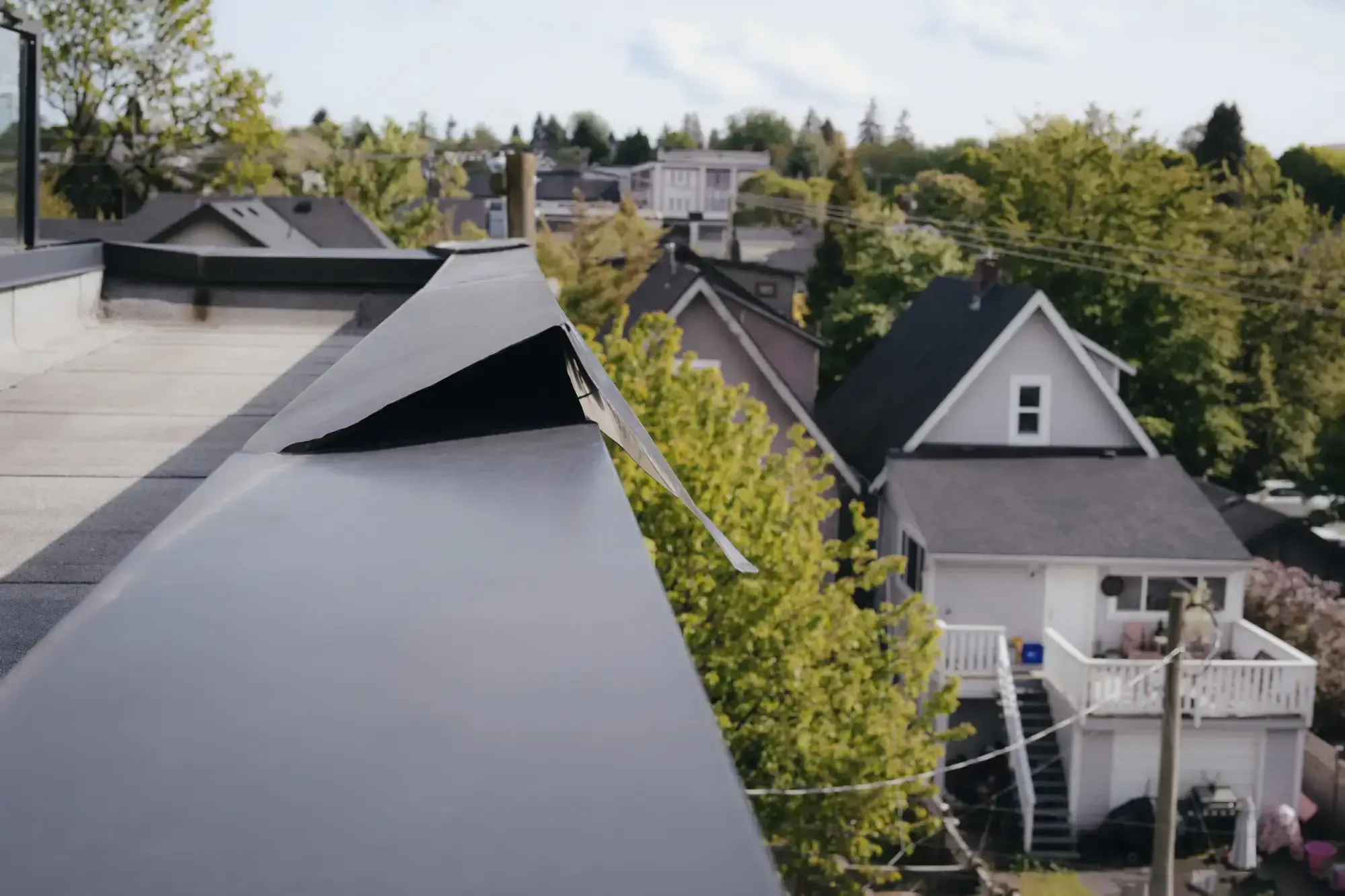
Thermal expansion becomes your roof’s worst enemy during heat waves. Asphalt shingles expand and contract repeatedly, causing them to curl, crack, and lose their protective granules. Metal components like flashing and gutters expand at different rates than surrounding materials, creating gaps where water can penetrate. The constant expansion and contraction literally tears your roof apart at the molecular level.
UV radiation acts like a slow poison for roofing materials. Those protective granules on your shingles aren’t just decorative—they’re your roof’s sunscreen. As UV rays break down the asphalt underneath, granules start falling off, leaving bare spots that age rapidly. You’ll notice this granule loss in your gutters after heavy rains, which signals your roof is losing its protective coating.
Thermal shock happens when New Jersey experiences those dramatic temperature swings we’re famous for—dropping 20 degrees or more within 24 hours. This rapid change forces materials to expand and contract quickly, creating stress fractures that become entry points for water. Professional roofing contractors know to look for these stress patterns during inspections, catching problems before they become leaks.
The combination of heat, UV exposure, and thermal cycling can reduce your roof’s lifespan by 30% or more if left unchecked. That’s why we recommend annual inspections and preventive treatments specifically designed to combat summer damage.
Winter's Freeze-Thaw Cycles: Why Your Roof Ages Faster in NJ
Winter in New Jersey doesn’t just test your heating bill—it systematically destroys roofing materials through one of nature’s most powerful forces: the freeze-thaw cycle. Water expands roughly 9% when it freezes, creating tremendous pressure that can crack even the strongest materials.
Here’s how the damage happens: During the day, snow and ice melt from solar heating and warm air escaping through your roof. This water runs into tiny cracks, nail holes, and gaps between shingles. When temperatures drop at night, that water freezes and expands, widening every crack it entered. After dozens of these cycles each winter, small problems become major structural issues.
Ice dams represent the most visible and destructive form of winter roof damage. Poor attic insulation allows heat to escape, melting snow on the upper roof while the eaves stay frozen. This creates a dam of ice that forces melting water under your shingles, often causing extensive interior damage before you even notice the problem.
Snow loading adds another layer of stress, especially during heavy storms. While most roofs can handle typical snow loads, the weight combined with ice formation and thermal stress can cause structural problems. Professional roofing contractors understand load calculations and can identify when snow removal becomes necessary to prevent damage.
The brittle nature of cold materials makes winter particularly dangerous for roof maintenance. Shingles that bend easily in summer become rigid and crack-prone in winter. Walking on a frozen roof can cause immediate damage, which is why emergency roof repairs during winter storms require specialized techniques and experienced contractors.
Smart homeowners in Monmouth County schedule pre-winter roof inspections to address vulnerabilities before the freeze-thaw cycle begins its destructive work. This proactive approach can prevent thousands of dollars in emergency repairs and extend your roof’s lifespan significantly.
The True Cost of Ignoring Seasonal Roof Maintenance
Skipping seasonal roof maintenance might save you a few hundred dollars upfront, but it typically costs thousands more in the long run. The average roof replacement in Monmouth County runs between $7,000-$15,000, while preventive maintenance costs a fraction of that amount.
Here’s the math that matters: A roof properly maintained through seasonal changes can last 25-30 years, while a neglected roof often fails in 15-20 years. That difference represents tens of thousands in replacement costs, not counting the damage to your home’s interior from leaks and structural problems.
When Minor Problems Become Major Disasters
Seasonal damage follows a predictable pattern that we see repeatedly. It starts small—a few loose granules here, a tiny crack there—then accelerates rapidly once water finds its way into your roof system.
A single missing shingle might cost $50 to replace in spring, but if left through summer’s heat and winter’s freeze-thaw cycles, it can lead to rotted decking, damaged insulation, and interior water damage costing thousands to repair. Water damage spreads invisibly through your roof system, weakening structural components and creating ideal conditions for mold growth.
The compounding effect of seasonal damage means problems multiply rather than simply add up. A small leak that allows moisture into your attic creates conditions for ice dams in winter, which cause more leaks, leading to insulation damage that makes your roof more vulnerable to temperature extremes. This cycle continues until major repairs or full replacement becomes necessary.
We understand these damage patterns and can interrupt the cycle early. We know which seasonal problems require immediate attention and which can wait for scheduled maintenance. This expertise saves homeowners significant money by addressing root causes rather than just symptoms.
Emergency repairs during severe weather often cost 2-3 times more than scheduled maintenance, assuming you can even find a contractor available during storm season. The smart money is on prevention through regular seasonal maintenance and prompt attention to minor issues.
How Professional Roofing Contractors Extend Your Roof's Life
Experienced roofing contractors bring specialized knowledge that makes the difference between a roof that barely reaches its expected lifespan and one that exceeds it by years. We understand how New Jersey’s unique climate affects different roofing materials and can customize maintenance schedules accordingly.
We use diagnostic techniques that homeowners simply can’t replicate. Thermal imaging reveals heat loss patterns that indicate insulation problems. Moisture meters detect hidden water damage before it becomes visible. Drone inspections allow safe examination of steep or dangerous roof areas that would be impossible to check otherwise.
The timing of professional interventions matters enormously. We know that certain repairs are most effective when done in specific seasons. Sealant applications work best in moderate temperatures, while shingle replacements should happen when materials are flexible enough to work with safely. This seasonal expertise prevents the “quick fix” mentality that often leads to bigger problems.
Quality roofing contractors also understand material compatibility and local building codes. We know which products perform best in Monmouth County’s coastal climate and can recommend upgrades that improve your roof’s resistance to seasonal damage. Impact-resistant shingles, improved ventilation systems, and upgraded flashing details all contribute to longer roof life.
Perhaps most importantly, professional contractors provide documentation that protects your warranty coverage and insurance claims. Many manufacturer warranties require professional installation and regular maintenance to remain valid. Insurance companies increasingly require proof of proper maintenance when processing storm damage claims.
A relationship with a trusted roofing contractor becomes an investment in your home’s long-term protection, providing peace of mind that your roof can handle whatever New Jersey weather throws at it.
Protecting Your Investment Through Every Season
Your roof represents one of your home’s most critical systems and largest maintenance investments. Understanding how seasonal changes affect its lifespan empowers you to make informed decisions about maintenance, repairs, and eventual replacement.
The key takeaway is that seasonal damage is predictable and largely preventable with proper attention and professional expertise. Regular inspections, prompt repairs, and seasonal maintenance create a protective cycle that extends your roof’s life and protects your home’s value.
When you’re ready to give your roof the professional attention it deserves, A Russo & Son Roofing brings over 40 years of experience helping Monmouth County homeowners protect their investments through every season.