Summary:
Average Roof Replacement Costs in Monmouth County, NJ
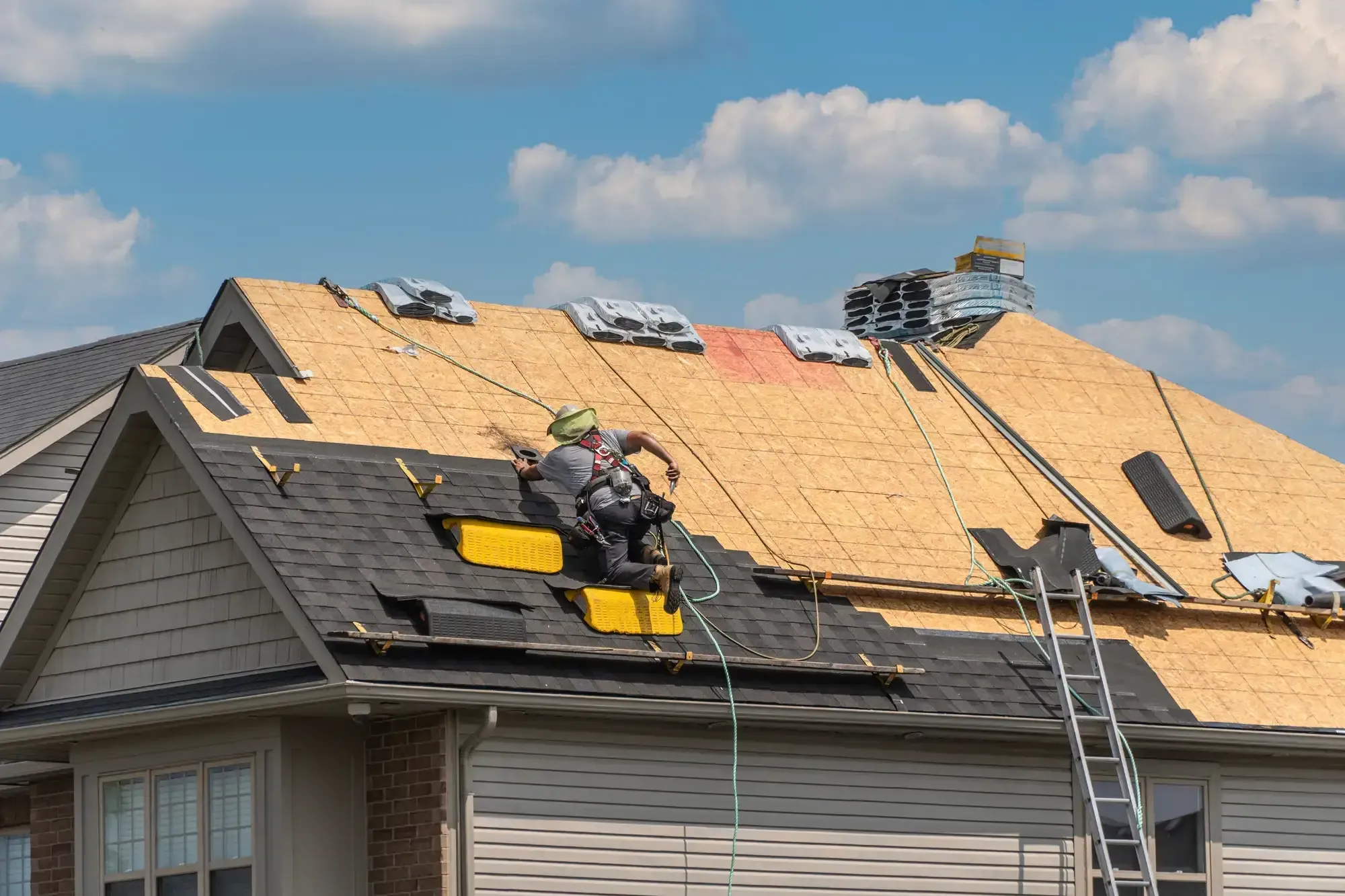
The cost of replacing a roof in Monmouth County varies significantly based on your home’s unique characteristics. Most homeowners invest between $10,000 and $15,000 for a standard asphalt shingle replacement on a typical 1,700 square foot home.
Premium materials like metal or slate can push costs to $50,000 or more, while basic asphalt installations might start around $8,500. The wide range reflects differences in material quality, roof complexity, and contractor expertise.
Your final price depends on factors like roof size, pitch, accessibility, and the specific materials you choose. Understanding these variables helps you budget accurately and avoid surprise costs during your project.
What Factors Affect Roof Replacement Costs in Monmouth County?
Several key factors determine your roof replacement cost in Monmouth County. Roof size is the primary driver – larger homes naturally require more materials and labor hours. A 1,000 square foot roof costs significantly less than a 3,000 square foot installation.
Material choice creates the biggest cost variation. Asphalt shingles typically cost $7-15 per square foot installed, while premium options like slate or metal can reach $20-50 per square foot. Each material offers different lifespans and benefits that affect long-term value.
Roof complexity also impacts pricing. Simple gable roofs cost less than homes with multiple dormers, steep pitches, or intricate designs. These architectural features require more time, skill, and materials to complete properly.
Labor costs in Monmouth County run slightly above national averages due to local market conditions and the expertise required for New Jersey’s varied weather challenges. Experienced contractors charge premium rates but deliver work that withstands coastal storms and temperature extremes.
Removal and disposal of your old roof adds $1-2 per square foot to the project. Some contractors include this in their base price, while others charge separately. Always clarify what’s included in your estimate to avoid unexpected costs.
How Roof Size and Materials Impact Your Investment
Understanding the relationship between roof size and cost helps you budget more accurately. Contractors typically price roofing by the “square” – a 100 square foot section. Most Monmouth County homes require 15-30 squares for complete replacement.
Asphalt shingles remain the most popular choice, offering durability at reasonable prices. Architectural shingles cost more than basic three-tab versions but provide better weather resistance and longer warranties. They typically last 20-30 years with proper maintenance.
Metal roofing has gained popularity for its longevity and energy efficiency. While initial costs run higher, metal roofs can last 50+ years and reduce cooling costs during hot summers. They’re particularly valuable for homes in areas prone to severe weather.
Premium materials like slate or cedar offer exceptional beauty and longevity but require specialized installation skills. These materials can last 75-100 years but cost significantly more upfront. Consider your long-term plans and budget when evaluating premium options.
The pitch and complexity of your roof also affect material usage. Steep roofs require additional safety measures and take longer to complete, increasing labor costs. Complex roof lines with multiple angles or features need more cutting and fitting, creating additional material waste.
When Does Insurance Cover Roof Replacement Costs?
Homeowners insurance can significantly reduce your out-of-pocket roof replacement costs, but coverage depends on the cause of damage. Storm damage, hail, wind, and other “acts of God” typically qualify for coverage, while normal wear and tear does not.
The age of your roof affects coverage decisions. Insurance companies may provide full replacement coverage for roofs under 10 years old but offer prorated payments for older roofs based on depreciation. Review your policy carefully to understand your specific coverage terms.
Filing a successful claim requires proper documentation and prompt action. Take photos of damage, keep repair receipts, and contact your insurance company immediately after storm damage occurs. Working with experienced contractors familiar with insurance processes can help maximize your claim.
Maximizing Your Insurance Claim for Roof Damage
Successfully navigating the insurance claim process starts with understanding what your policy covers. Most homeowner policies cover roof replacement when damage results from covered perils like hurricanes, tornadoes, fires, and vandalism. However, coverage for wind, rain, ice, or hail damage is often prorated based on your roof’s age.
Document everything thoroughly when filing your claim. Take detailed photos of all damage, including close-ups of specific problem areas and wide shots showing the overall condition. Keep records of any temporary repairs or emergency measures you take to prevent further damage.
Work with certified roof inspectors who use the same software many insurance companies employ. This ensures your damage assessment is formatted in a way insurance adjusters can quickly understand and act upon. Professional documentation often leads to faster claim processing and better outcomes.
Time is critical when filing insurance claims. After major weather events, insurers handle claims on a first-come, first-served basis. Submit your claim promptly and maintain detailed records of all communications, including claim numbers, contact names, and conversation summaries.
Remember that hurricane damage may have different deductible structures. Coastal homes often face percentage-based deductibles rather than flat dollar amounts, which can significantly impact your out-of-pocket costs. Understand these terms before you need to file a claim.
What Roof Damage Qualifies for Insurance Coverage?
Insurance companies distinguish between sudden, accidental damage and gradual deterioration when evaluating claims. Storm damage from high winds, hail, falling trees, or flying debris typically qualifies for coverage. These events cause immediate, visible damage that insurance adjusters can easily identify and document.
Gradual wear from age, poor maintenance, or normal weathering doesn’t qualify for coverage. Insurance policies expect homeowners to maintain their roofs through regular inspections and minor repairs. Neglecting routine maintenance can void coverage even for otherwise covered events.
Water damage presents complex coverage scenarios. If wind lifts shingles and allows rain to enter, the resulting interior damage often qualifies for coverage. However, if leaks result from gradual deterioration or poor maintenance, insurance typically won’t cover repairs or replacement.
Hail damage creates some of the most straightforward insurance claims. Hailstones leave distinct marks on shingles, gutters, and other roof components that adjusters can easily identify. Even minor hail damage can compromise shingle integrity and justify full replacement in many cases.
The key to successful claims lies in demonstrating that damage resulted from a specific, covered event rather than gradual deterioration. Professional inspections help identify and document storm damage that homeowners might overlook, supporting stronger insurance claims.
Making Smart Decisions About Your Roof Replacement Investment
Replacing your roof represents a significant investment that affects your home’s protection, value, and energy efficiency for decades. The average return on investment ranges from 60-70%, making it one of the most valuable home improvements you can make.
Choose materials and contractors based on your long-term plans and local weather challenges. Monmouth County’s coastal climate demands materials that withstand salt air, high winds, and temperature extremes. Investing in quality materials and professional installation protects your investment and reduces future repair costs.
When you’re ready to move forward with your roof replacement project, we bring over 40 years of local experience to every job. Our family-owned business understands Monmouth County’s unique challenges and provides the expertise needed to protect your most important investment.