Summary:
Most Common Signs Your Windows Need Replacement
Windows don’t fail overnight. They give you plenty of warning signs that something’s wrong, and catching these early can save you money and frustration down the road.
The most obvious red flags include condensation forming between glass panes, difficulty opening or closing windows, and noticeable drafts around the frame. But some signs are subtler, like gradually increasing energy bills or rooms that never seem to stay comfortable no matter how you adjust the thermostat.
Understanding what to look for helps you make the replacement decision before small problems become expensive headaches.
Condensation Between Window Panes Means Seal Failure
When you see moisture or fog between the panes of your double or triple-pane windows, the seal has failed. This isn’t something you can fix with a towel or by opening the window to let it air out.
That moisture means the insulating gas that was sealed between the panes has escaped, and outside air and humidity have taken its place. Your window has essentially become a single-pane window in terms of energy efficiency, but you’re still dealing with the fogged glass that blocks your view.
This seal failure typically happens in windows that are 10-20 years old, especially in climates like New Jersey where temperature swings put constant stress on window materials. The expansion and contraction from hot summers and freezing winters eventually break down even quality seals.
Once the seal fails, your window loses most of its insulating value. You’ll notice rooms becoming harder to heat and cool, and your energy bills will reflect that lost efficiency. The fogged glass also reduces natural light and makes your home look neglected from both inside and outside.
While some companies offer seal repair services, the reality is that once one seal fails, others in the same window or nearby windows often follow. Replacement becomes the more cost-effective long-term solution, especially when you factor in the energy savings from modern, properly sealed windows.
Drafts and Air Leaks Around Window Frames
Hold your hand near your window frame on a windy day. If you feel air movement, your window seals have deteriorated enough to let outside air infiltrate your home.
These drafts might seem minor, but they force your heating and cooling system to work overtime. In winter, cold air seeps in while warm air escapes. In summer, hot, humid air finds its way inside while your air conditioning struggles to maintain comfortable temperatures.
The problem often starts small—maybe just a barely noticeable draft in one corner. But weatherstripping degrades, caulking shrinks and cracks, and the window frame itself can warp or settle over time. What begins as a minor air leak becomes a significant source of energy loss.
New Jersey’s climate makes this problem worse. Our humidity levels cause wood frames to swell and shrink repeatedly. Ice and snow put pressure on window frames during winter, while summer heat can cause materials to expand and create gaps.
You might try adding weatherstripping or re-caulking around the frame, but these are temporary fixes. If your windows are more than 15-20 years old and you’re noticing drafts, the frame itself has likely shifted or warped enough that proper sealing becomes impossible.
Modern replacement windows come with advanced weatherstripping systems and precision-engineered frames that maintain tight seals for decades. The difference in comfort is immediate, and the energy savings show up on your very first utility bill after installation.
How Window Age and Energy Bills Connect
Windows have a finite lifespan, and in New Jersey’s challenging climate, that lifespan tends to be on the shorter end of national averages. Most residential windows need replacement after 20-25 years, regardless of how well they’ve been maintained.
The connection between window age and energy costs isn’t always obvious at first. Energy bills tend to creep up gradually as windows lose efficiency, making it easy to blame rising utility rates instead of failing windows.
But the math is clear: homeowners who replace single-pane windows with ENERGY STAR certified models save between $126 and $465 per year on energy costs. Even replacing older double-pane windows can save $27-111 annually, and those savings compound year after year.
Why Vinyl Windows Outperform Aluminum in NJ Climate

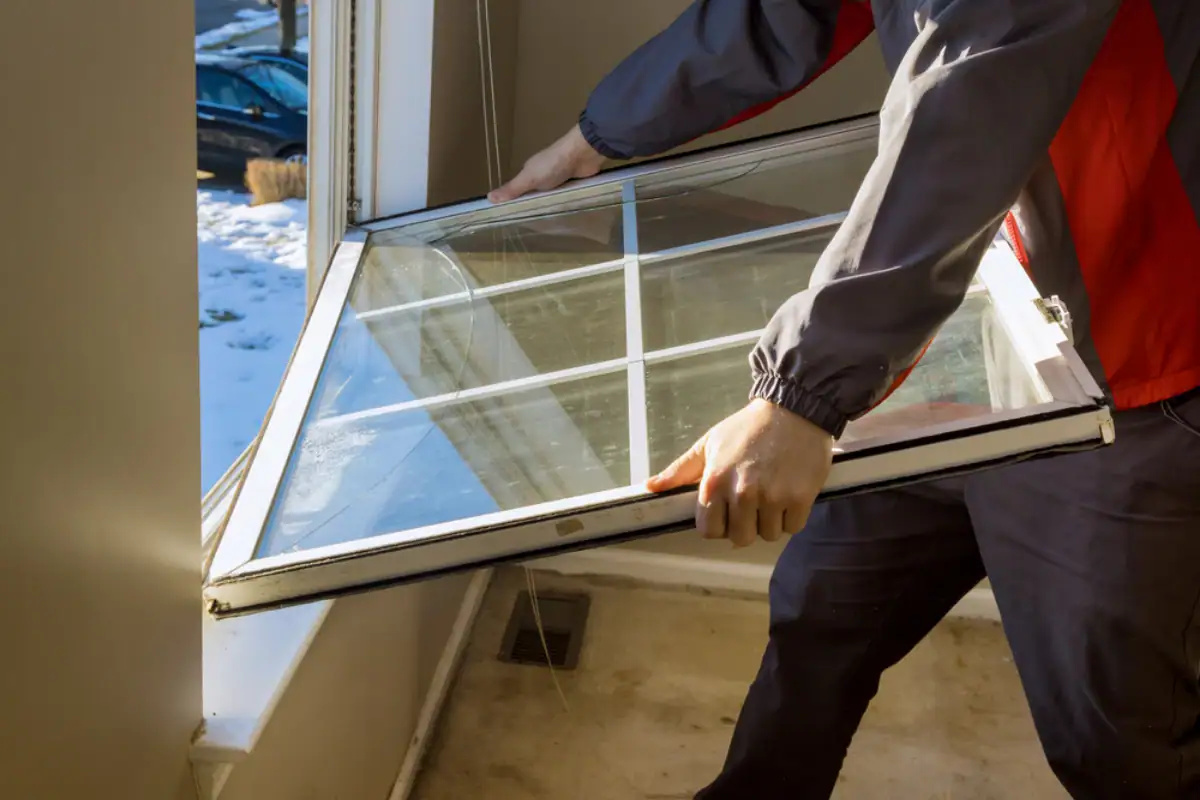
When it comes to window replacement in New Jersey, material choice makes a huge difference in both performance and longevity. Vinyl windows consistently outperform aluminum alternatives in our climate, and the reasons go beyond just energy efficiency.
Vinyl naturally resists heat transfer, which means less energy loss through the window frame itself. Most vinyl frames also include built-in insulation chambers that aluminum simply can’t match. This translates to lower energy bills and more consistent indoor temperatures year-round.
The durability factor is equally important. New Jersey’s coastal humidity, freeze-thaw cycles, and temperature swings that can range from below zero to over 90 degrees put serious stress on window materials. Vinyl handles these conditions better than aluminum, which conducts heat and cold readily and can develop condensation problems.
Maintenance requirements also favor vinyl. While aluminum windows need regular cleaning with specialized cleaners and require lubrication of moving parts to prevent corrosion, vinyl windows need only basic cleaning with mild soap and water. The color is baked into the material, so there’s no painting or refinishing required.
Cost-wise, vinyl windows typically cost 30% less than comparable aluminum windows, and that’s before factoring in the long-term energy savings. When you consider that quality vinyl windows can last 20-30 years with minimal maintenance, the total cost of ownership strongly favors vinyl for most New Jersey homeowners.
The one area where aluminum has traditionally held an advantage—strength for very large window openings—has largely been addressed by modern vinyl formulations and reinforcement techniques. Today’s premium vinyl windows can handle the same spans as aluminum while delivering superior energy performance.
Energy Savings That Actually Matter for Your Budget
The energy savings from window replacement aren’t just marketing promises—they’re documented benefits that show up in your monthly utility bills. According to the U.S. Department of Energy, replacing single-pane windows with ENERGY STAR certified models can save homeowners $126-465 per year.
For New Jersey homeowners, these savings tend to be on the higher end of that range because of our climate demands. Cold winters mean your heating system works harder when windows leak air or transfer heat. Hot, humid summers put similar stress on air conditioning systems when windows can’t effectively block heat gain.
The savings go beyond just heating and cooling costs. Better windows reduce the strain on your HVAC system, potentially extending its lifespan and reducing repair costs. They also improve indoor air quality by reducing drafts that can carry dust, pollen, and other allergens into your home.
Modern windows with low-E coatings and gas fills between panes can reduce heat loss by up to 50% compared to single-pane windows. Even compared to older double-pane windows, the improvement can be 15-25%, which translates to noticeable monthly savings.
The federal government recognizes these benefits through tax credits. Homeowners who install ENERGY STAR certified windows can claim 30% of the total project cost, up to $600, when filing their taxes. Some utility companies also offer rebates for energy-efficient window installations.
When you factor in the increased home value—window replacement typically returns 70-78% of the investment at resale—the financial case for replacement becomes compelling. You’re not just buying new windows; you’re making an investment that pays dividends in comfort, energy savings, and property value for decades to come.
Making the Right Window Replacement Decision for Your Home
Recognizing the signs that your windows need replacement is the first step. The second is choosing a contractor who understands New Jersey’s unique climate challenges and has the experience to do the job right.
Quality installation matters as much as quality windows. Even the best windows won’t perform properly if they’re not installed correctly, and poor installation can void warranties and create problems that last for years.
When you’re ready to upgrade your home’s windows, we at A Russo & Son Roofing, Siding & Gutters bring over 40 years of experience serving Monmouth County families. We understand what works in our climate and stand behind our work with industry-leading warranties.