Summary:
How Metal Roofs and Asphalt Shingles Actually Hold Up in New Jersey Weather
Monmouth County experiences everything from snowy winters to humid summers, which significantly impacts roofing material longevity. Both materials face the same challenges, but they respond very differently.
Metal roofs typically last 40-70 years in New Jersey conditions, while asphalt shingles average around 20 years before needing replacement. The difference comes down to how each material handles our local weather patterns.
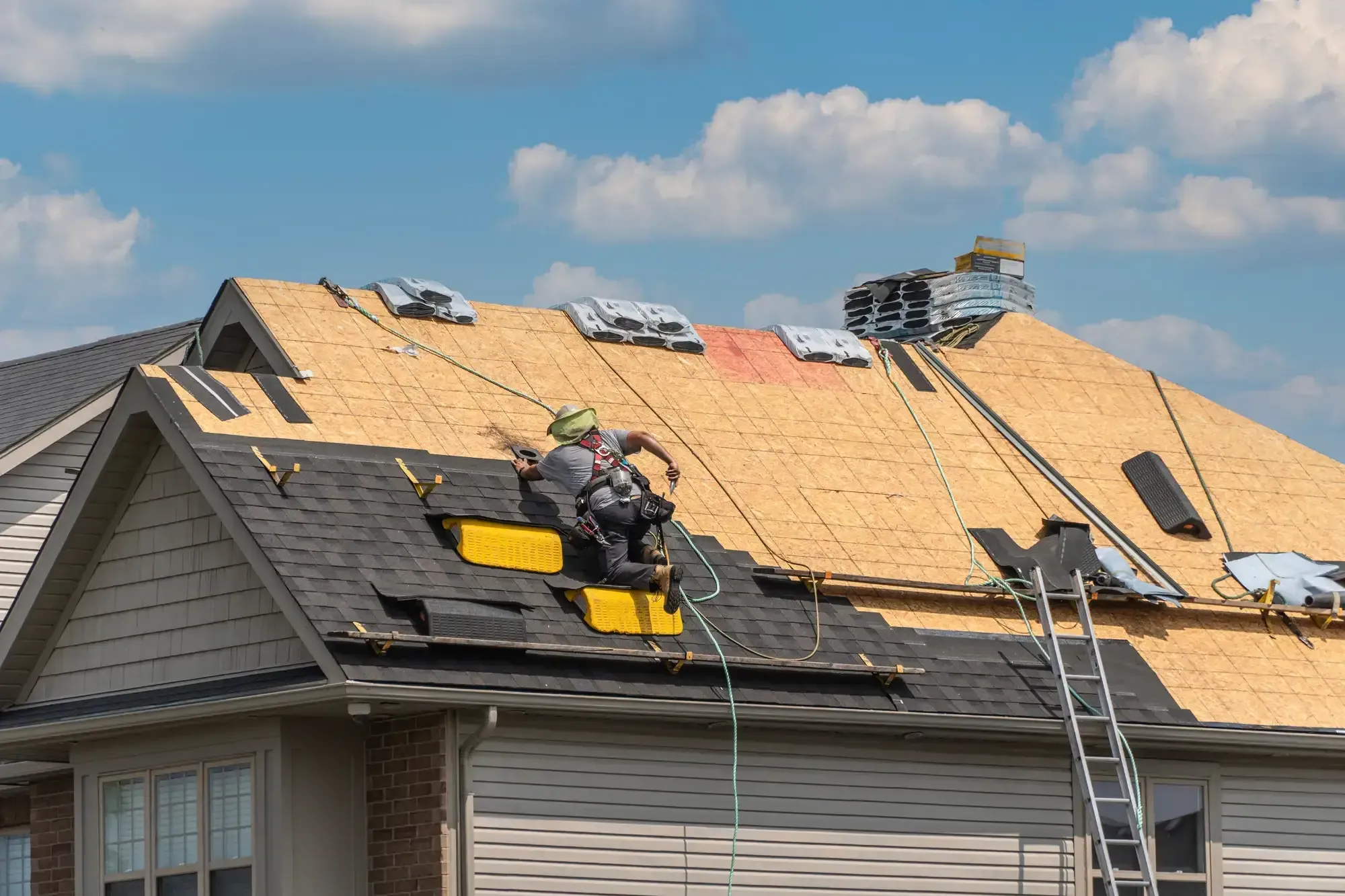
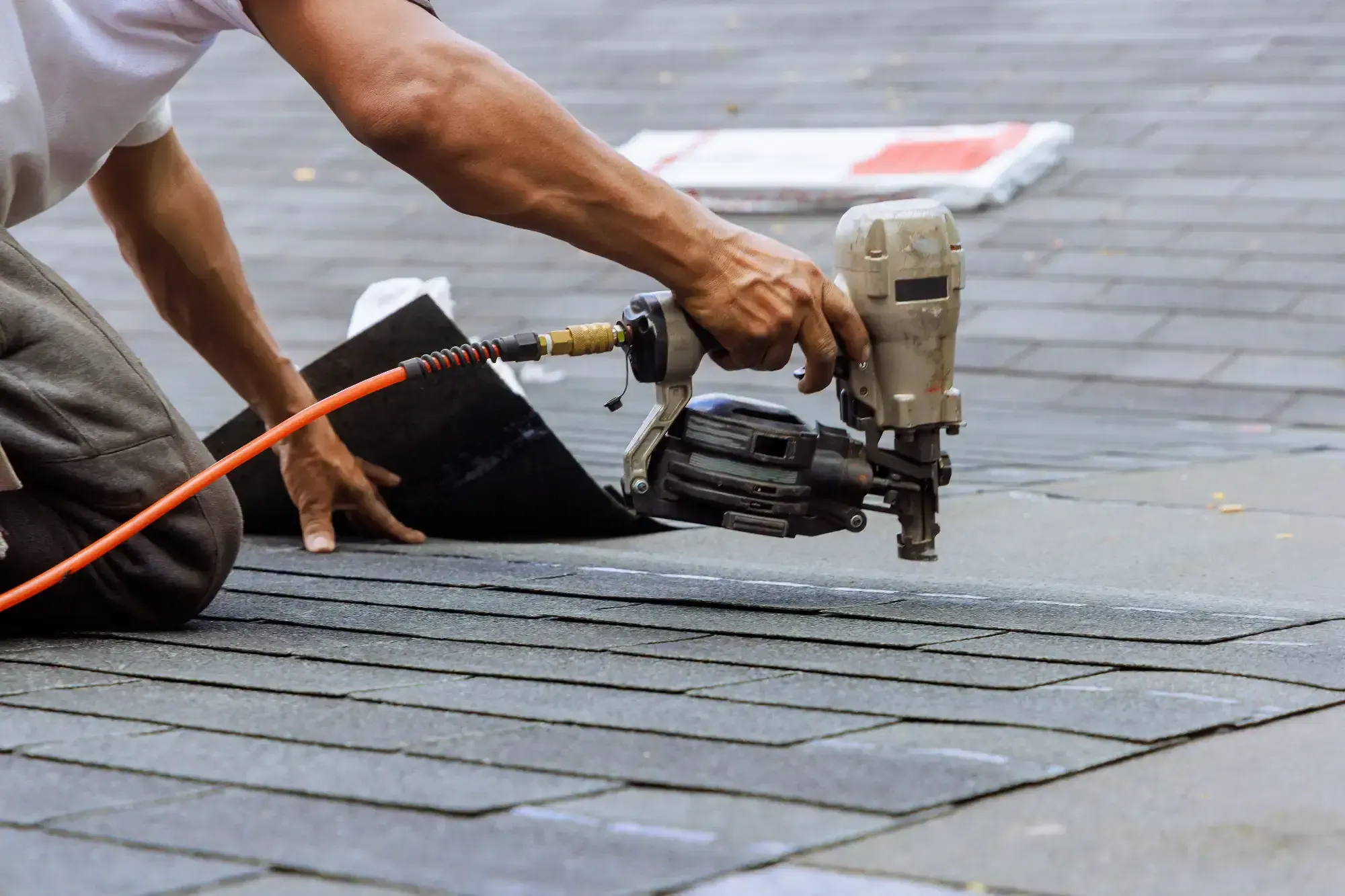
Asphalt shingles are particularly vulnerable to humidity, moisture, and temperature fluctuations that cause cracking. That’s exactly what we see here in New Jersey with our freeze-thaw cycles and coastal humidity.
Wind Resistance: What the Ratings Actually Mean for Storm Protection
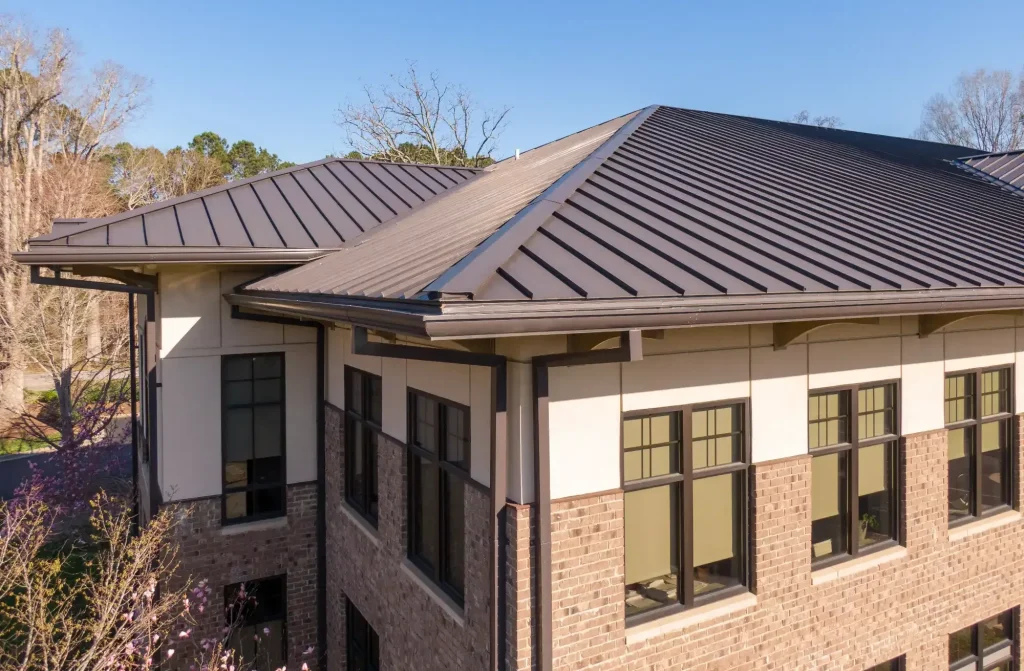
Wind ratings aren’t just numbers on a spec sheet—they determine whether your roof stays put during the next big storm. Metal roofs are engineered to withstand winds up to 140 mph or more, with interlocking panels and robust fastening systems that resist blow-offs.
Compare that to asphalt shingles, where basic 3-tab shingles only handle 60-70 mph winds, making them vulnerable to New Jersey’s frequent wind events. Even architectural shingles, while better at 110-130 mph ratings, still fall short of metal’s performance.
Here’s what this means for you: Post-storm studies from Texas to New Jersey have confirmed metal roofing’s superior resistance to driving rain and severe pressure differentials. When your neighbors are dealing with missing shingles after a storm, metal roofs typically stay intact.
The fastening systems make a huge difference too. Standing seam roofs with concealed fasteners provide superior wind resistance versus exposed fastener systems, with clip designs engineered specifically for maximum uplift resistance.
We’ve seen metal roofs perform through Category 2 hurricanes with minimal damage, while nearby homes with asphalt shingles needed significant repairs. Metal roofing systems in New Jersey carry warranties against Category 3 winds, giving you that extra confidence during storm season.
Hail Resistance: Why Impact Ratings Matter More Than You Think
Hail damage isn’t just about dents you can see—it’s about protecting your home’s interior and avoiding insurance headaches. Most metal roofs achieve the highest Class 4 impact resistance rating available, meaning they can survive a two-inch steel ball dropped from 20 feet without splitting.
Metal roofs typically earn Class 3 or Class 4 impact resistance ratings, protecting against storm damage that could harm traditional roofing. This isn’t just about cosmetic damage—it’s about maintaining your roof’s protective barrier.
Asphalt shingles face a different challenge with hail. Dents often form on shingles from impact, knocking off surface granules and creating unprotected areas prone to water damage, allowing water to seep under shingles and enter the wood underneath.
The material composition makes the difference. Steel roofing, thanks to its strength and durability, resists hail quite well, while softer metals like aluminum may be more vulnerable, and copper can dent from repeated hail strikes.
Metal systems often absorb impact and remain functional, retaining their protective layers intact even if they suffer cosmetic damage. Even when a metal roof gets dinged by large hail, it continues protecting your home effectively.
From an insurance perspective, this matters. Insurance companies often offer reduced rates for homes with metal roofs due to their superior resistance to fire, wind, and hail damage. That’s money back in your pocket every year.
The Real Cost of Shingle Maintenance vs Metal Roof Upkeep
Let’s talk actual numbers. Moderate shingle repairs typically range from $400 to $1,000, while major repairs can start at $1,000 and climb significantly. Professional roof repairs can cost $200-$2,500 or more, with damaged shingle replacement averaging $150-$500 depending on damage extent.
Metal roofs require little-to-no maintenance unlike asphalt shingles. Metal roofing requires minimal maintenance, with most manufacturers recommending only annual inspections around flashings and occasional power washing.
The frequency difference is striking. Asphalt shingles are more commonly the cause of problems, with repairs or replacements needed every 10-20 years, while metal roofs can go decades with minimal intervention.
What Proper Ventilation and Insulation Really Mean for Each Material
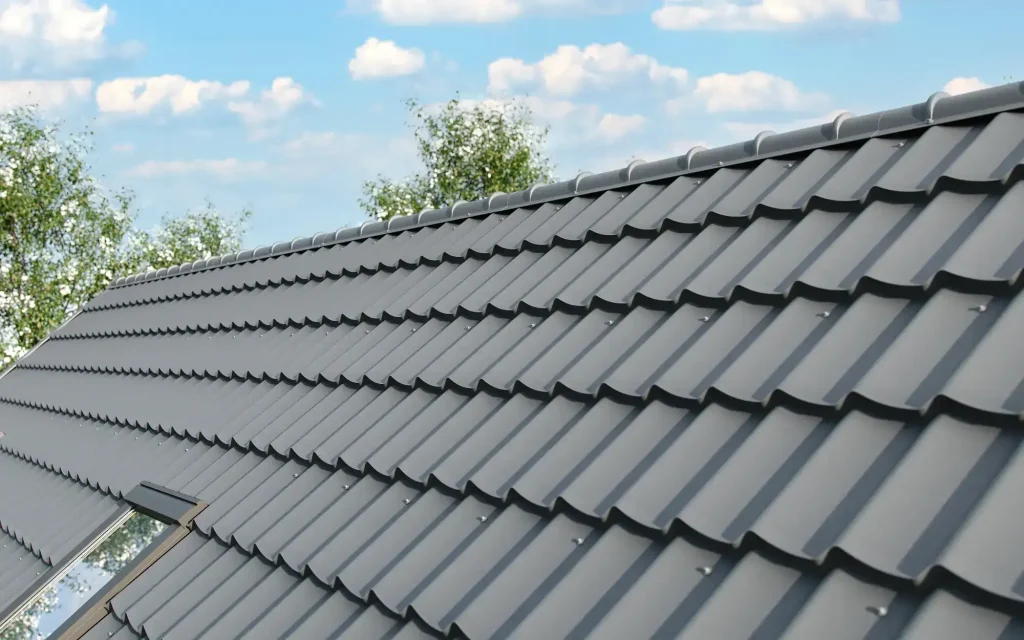
Ventilation isn’t optional—it’s critical for both roof types, but for different reasons. Proper roof ventilation reduces electricity bills, extends shingle life, and prevents roof rot and ice dams in winter. If you don’t properly ventilate your roof, it will likely void your roof’s warranty.
For asphalt shingles, ventilation is about survival. It’s actually part of the design of asphalt shingles that they transfer heat to the roof deck below—it’s part of the cooling system they need because heat destroys asphalt roofing shingles. Without proper airflow, heat build-up accelerates weathering and reduces the anticipated life of the products.
Metal roofing works differently with ventilation. When combined with vented eave and ridge material, the airspace between metal and existing roof creates uninterrupted airflow that dramatically decreases attic temperatures and reduces cooling expenses by up to 30 percent.
During winter months in colder climates, this insulating airspace also reduces the chance of ice buildup caused by heat transfer up through the roof. That’s particularly valuable here in New Jersey where ice dams can cause serious problems.
The insulation story is interesting too. Neither metal nor asphalt has significant insulation value by itself—their R-values are negligible. But asphalt roofs absorb significant heat from the sun, and because they’re usually two to three times the weight of metal roofs, they accumulate at least two to three times as much heat, transferring it into the building beneath.
New, white or light-colored metal roofing with proper ventilation performs better than old metal roofing, and while asphalt shingles may help keep homes warmer in winter by absorbing heat, the EPA notes that summertime savings from metal “cool roofs” are so significant that annual energy spending is still lower overall.
Energy Efficiency: How Each Material Affects Your Utility Bills
Your roof choice directly impacts your energy costs. Properly designed and installed metal roofing systems can reduce energy bills by 20-40%, with some studies showing peak cooling demand reductions of 10-15%.
The science is straightforward. Metal roofs with cool roof coatings block UV rays, reducing heat gain by up to 40% compared to standard shingles. Metal reflects sunlight, keeping it cooler inside, while asphalt shingles, particularly black ones, absorb the heat of the sun.
Asphalt roofing absorbs heat, leading to higher energy consumption and increased energy costs, especially during hot summer months. In New Jersey’s humid summers, this difference becomes noticeable on your utility bills.
A metal roof can save homeowners around 40% on energy costs, with the most efficient type depending on your location—cooler locations may see biggest savings from unpainted metal roofs, while warmer locations may find granular or pre-painted options better since they re-emit up to 90% of solar radiation.
By considering long-term energy savings and insurance benefits, homeowners may find that the higher upfront costs of metal roofs pay off over time, making them a cost-effective and energy-efficient investment.
The weight factor matters too. Metal roofs are lighter than shingles, reducing strain on your home’s structure and insulation, and they handle wet snow—up to four times heavier than fluffy snow—more efficiently.
Winter performance is another consideration. Asphalt shingles may not survive layers of heavy, wet snow, and cold temperatures can cause asphalt to crack, potentially resulting in a leaky roof, while snow slides off sloped metal roofs and cold temperatures cause no harm to the metal.
Making the Right Choice for Your Monmouth County Home
The numbers tell a clear story. Metal roofing panels last 40-70 years and require less frequent repairs and maintenance, while asphalt shingles tend to need more frequent attention. Metal roofing represents a higher initial investment but offers significant long-term savings through extended lifespan and reduced maintenance.
Your decision should factor in New Jersey’s specific challenges. Metal roofs are highly reflective for cooling cost reduction in hot summers, generally outperform asphalt in energy efficiency, and can be a strong selling point that adds significant value to your home.
For homeowners prioritizing long-term value and minimal maintenance headaches, metal roofing offers compelling advantages. If you’re ready to explore whether metal roofing makes sense for your specific situation, we’ve been helping Monmouth County homeowners make informed roofing decisions for over 40 years.