Skip to content

Metal Roof in Allenhurst, NJ

Storm-Proof Your Home For Decades

Metal roofing that stands up to coastal weather while cutting your energy bills and boosting your home’s value.
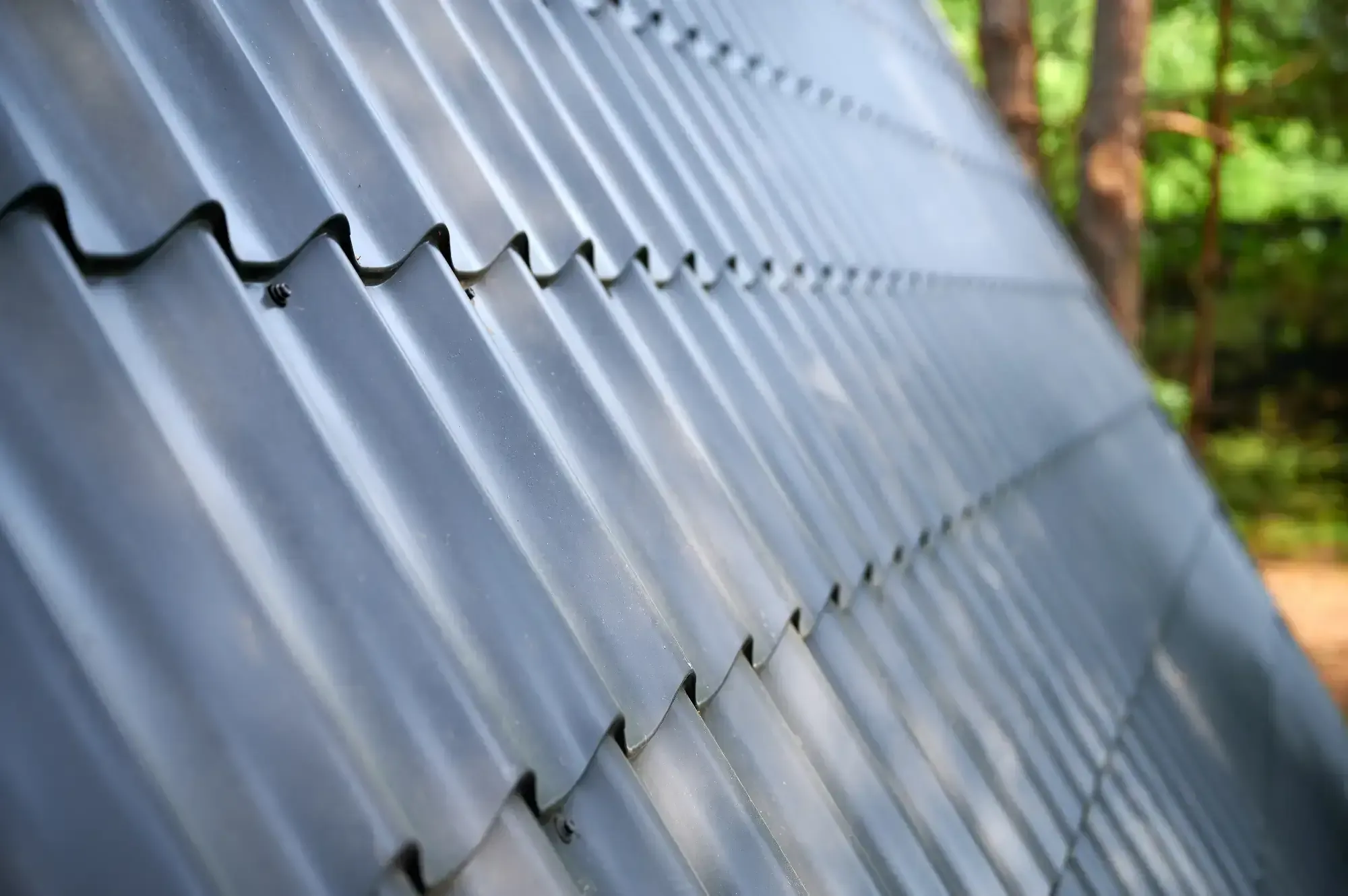
Close-up view of a metal sheet roof installed by a Roofing Contractor Monmouth County, featuring overlapping panels and wavy ridges. Trees and greenery are visible out of focus in the NJ background.

Hear from Our Customers

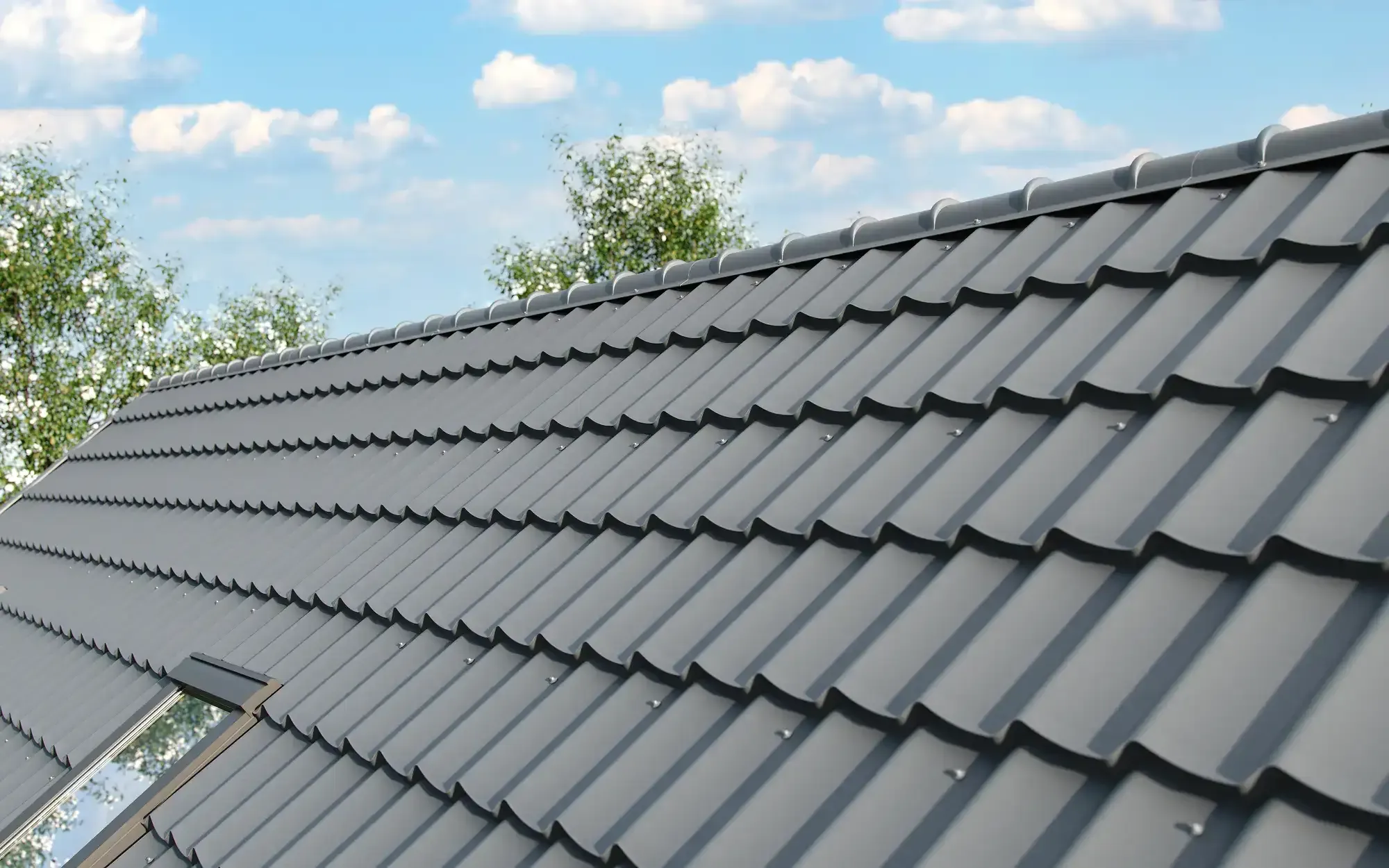
Close-up view of a sloped roof with gray metal roof tiles and a skylight, expertly installed by a trusted roofing contractor in Monmouth County, NJ, with trees and blue sky with clouds in the background.

Metal Roofing Installation Allenhurst

What You Get With Metal

Your roof stops being a worry. No more wondering if the next storm will cause damage or if you’ll need another expensive replacement in 15 years.

Metal roofing lasts 40-70 years compared to asphalt’s 15-20. It reflects heat instead of absorbing it, which means your air conditioning doesn’t work overtime during those brutal Jersey summers. And when hurricane-force winds hit the coast, metal roofs stay put while others get torn apart.

You’re not just getting a roof—you’re getting decades of protection that actually saves you money. Lower energy bills, fewer repairs, higher home value, and the peace of mind that comes from knowing your biggest investment is properly protected.

Metal Roofing Contractors Allenhurst

Four Decades Of Local Expertise

A Russo Roofing & Siding has been protecting Monmouth County homes for over 40 years. We’re family-owned and operated, with our owner personally present on every job to ensure quality standards are met.

What sets us apart in Allenhurst is our understanding of coastal weather challenges. We’ve seen what nor’easters, hurricanes, and salt air do to roofs, and we know which materials and installation methods actually work long-term in this environment.

We offer a 30-year labor warranty and 20-year workmanship warranty because we stand behind our installations. We’re licensed, insured, and provide same-day estimates with emergency services available when storms hit.

A close-up view of a modern building with a brown metal sloped roof by a top Roofing Contractor Monmouth County, featuring large windows and brick walls, taken on a clear, sunny day with trees in the background in NJ.

Metal Roof Installation Process

How We Install Your Metal Roof

First, we conduct a thorough inspection of your existing roof structure to ensure it can support the new metal roofing system. Any necessary repairs or reinforcements are completed before installation begins.

Next comes the removal of old roofing materials and preparation of the deck. We install proper underlayment and ventilation systems designed specifically for metal roofing applications. The metal panels are then precisely measured, cut, and installed using specialized fastening systems that prevent leaks and allow for thermal expansion.

The final step involves installing trim, flashing, and gutters to create a complete weather-tight system. We clean up thoroughly each day and provide a comprehensive walkthrough once the project is complete, explaining your warranty coverage and maintenance recommendations.

A modern house in NJ with a dark metal roof featuring angled skylights, a large vertical chimney, and several small roof vents—showcasing the work of a top Roofing Contractor Monmouth County—set against a blue sky with scattered clouds.

Ready to get started?

Explore More Services

About A Russo & Son Roofing

Get a Free Consultation

Standing Seam Metal Roofing

What's Included In Your Installation

Your metal roofing system includes premium-grade steel or aluminum panels with advanced coating systems that resist fading, chalking, and corrosion. Standing seam profiles provide superior weather protection with concealed fasteners that eliminate potential leak points.

In Allenhurst’s coastal environment, we use marine-grade materials and specialized coatings that withstand salt air exposure. The installation includes proper ventilation systems to prevent moisture buildup and ice dam formation during winter months.

Each system comes with manufacturer warranties on materials plus our own labor and workmanship guarantees. We also provide detailed maintenance guidelines specific to coastal conditions, helping you maximize your investment’s lifespan and performance.
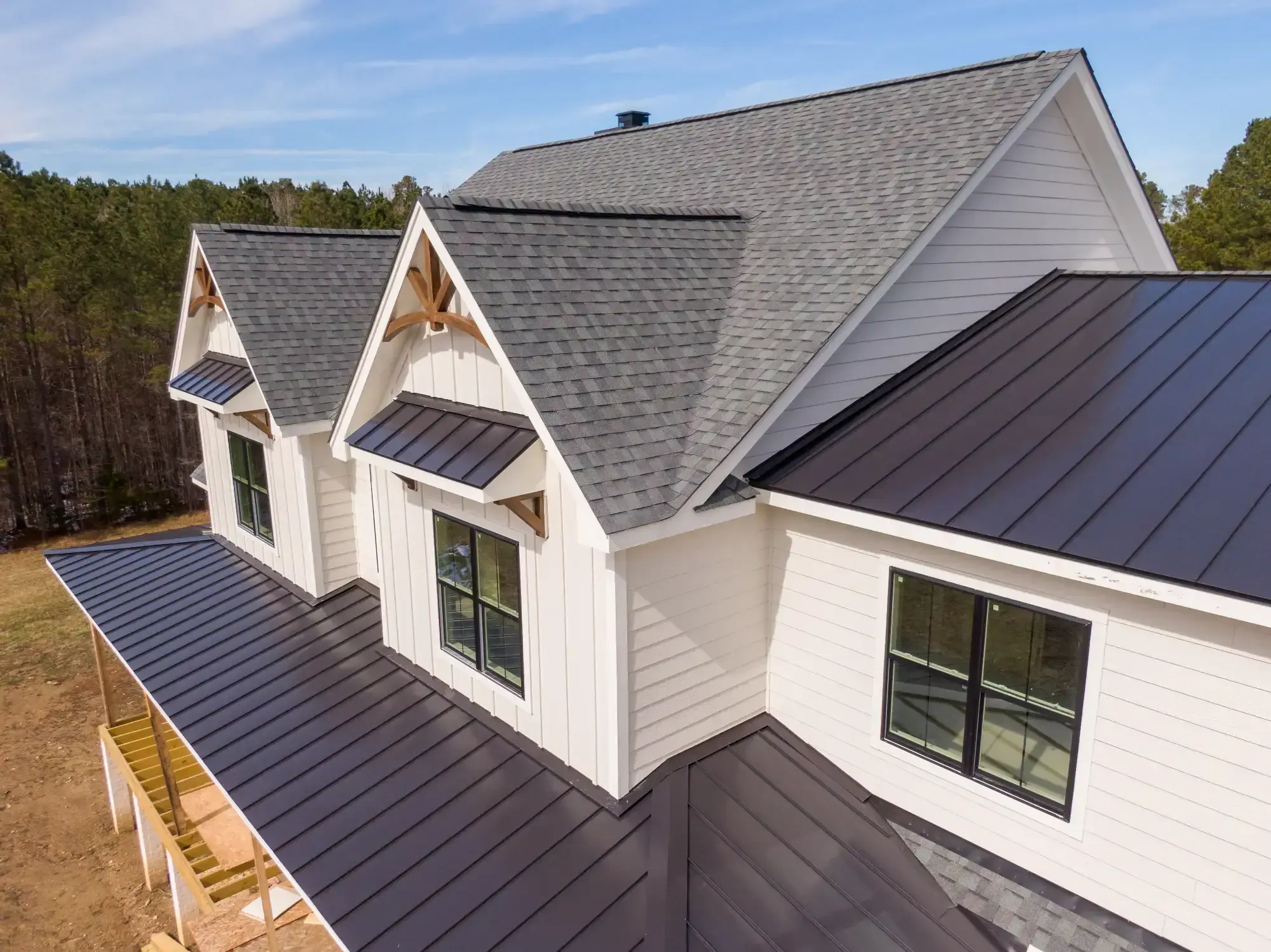
A modern farmhouse in NJ with white siding, black framed windows, and a mix of gray asphalt shingles and black metal roofing by a trusted Roofing Contractor Monmouth County, surrounded by trees under a blue sky.
Metal roofing typically lasts 40-70 years in coastal environments when properly installed with marine-grade materials. Steel systems generally provide 40-60 years of service life, while aluminum and copper can exceed 70 years. The key factor in coastal areas is using the right coatings and fastening systems. Premium paint systems like Kynar 500 resist salt air corrosion and UV damage that can shorten lifespan. Proper installation with thermal expansion allowances prevents stress cracking that sometimes occurs with temperature fluctuations. Regular maintenance, primarily keeping gutters clean and checking for debris after storms, helps ensure you get the maximum lifespan from your investment. Most homeowners find metal roofing is the last roof they’ll ever need to install.
Yes, metal roofing can significantly reduce cooling costs, especially during hot, humid New Jersey summers. Metal reflects solar heat instead of absorbing it like asphalt shingles, which can reduce attic temperatures by 10-15 degrees. Cool metal roofing with reflective coatings performs even better, potentially cutting air conditioning costs by 10-25% depending on your home’s insulation and orientation. The lightweight nature of metal also allows for better ventilation systems that help regulate temperature year-round. In winter, metal roofing’s smooth surface sheds snow efficiently, preventing ice dam formation that can cause expensive damage. The combination of summer cooling savings and winter protection typically pays for the energy efficiency benefits within the first decade of ownership.
Metal roofing excels in severe weather conditions common to the Jersey Shore. Properly installed standing seam systems can withstand winds over 120 mph, making them ideal for hurricane-prone areas like Allenhurst. The interlocking panel design and concealed fastening system distribute wind loads across the entire roof structure rather than concentrating stress on individual components. This prevents the edge lifting and progressive failure that often occurs with shingle roofing during high winds. Metal’s fire resistance provides additional protection during storm-related electrical issues or nearby fires. The material won’t ignite from flying embers, and it maintains structural integrity even under extreme heat conditions that would compromise other roofing materials.
Steel roofing offers superior strength and is typically more affordable, making it the most popular choice for residential applications. Modern steel systems use galvanized or galvalume coatings for corrosion resistance, topped with premium paint systems for longevity and appearance. Aluminum provides natural corrosion resistance that’s particularly valuable in coastal environments like Allenhurst. It’s lighter weight than steel, which can be advantageous for older homes or structures with weight limitations. Aluminum also has better thermal properties for energy efficiency. Both materials perform excellently when properly installed with quality coatings. The choice often comes down to budget considerations and specific performance priorities. Steel offers the best value for most applications, while aluminum provides premium performance in harsh coastal conditions.
Metal roofing typically costs 2-3 times more than asphalt shingles initially, but the long-term value proposition is compelling. While asphalt might cost $8,000-$15,000 for an average home, metal roofing ranges from $15,000-$30,000 depending on material and complexity. However, metal roofing lasts 3-4 times longer than asphalt, requires minimal maintenance, and provides energy savings that offset the higher initial cost. When you factor in avoided replacement costs and energy savings over 40+ years, metal often costs less per year of service life. Many homeowners also see immediate benefits through increased home value and reduced insurance premiums. Some insurance companies offer discounts for impact-resistant roofing materials, and the improved storm protection can prevent costly damage claims.
Metal roofing requires minimal maintenance, but coastal environments do benefit from periodic attention. The primary concern is keeping gutters and drainage systems clear of debris to prevent water backup and salt accumulation. Annual inspections should check for any loose fasteners, damaged flashing, or coating wear, particularly after severe storms. Washing the roof surface every few years with fresh water helps remove salt deposits that can accelerate corrosion if allowed to accumulate. Most maintenance can be handled by homeowners, though professional inspections every 5-10 years ensure small issues are caught before they become expensive problems. The low maintenance requirements are one of metal roofing’s biggest advantages over traditional materials that need frequent repairs and replacement.