Skip to content

Metal Roof in Monmouth Hills, NJ

The Last Roof You'll Ever Need

Cut your energy bills by 40% while getting a metal roof that outlasts everything else by decades.
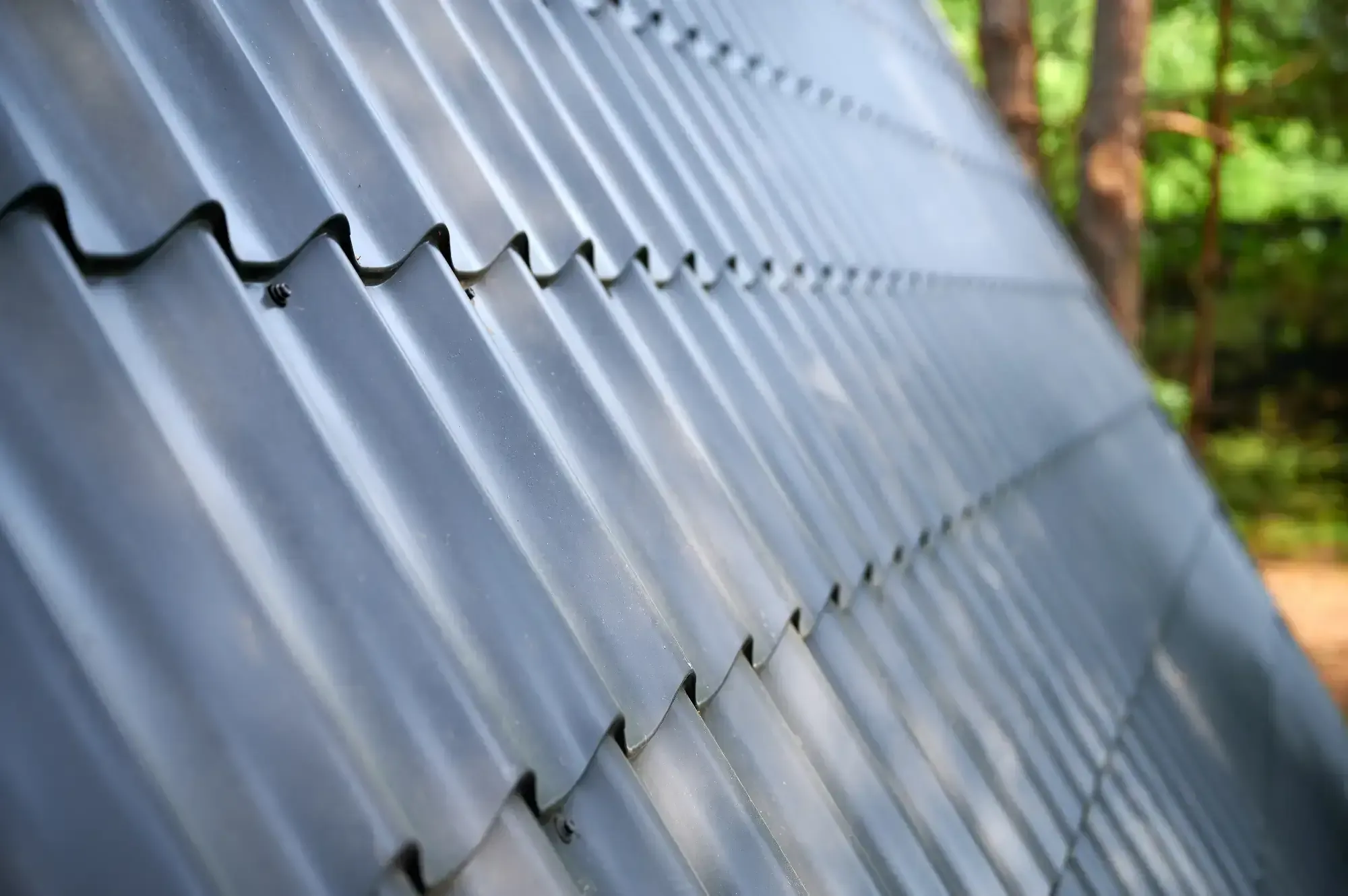
Close-up view of a metal sheet roof installed by a Roofing Contractor Monmouth County, featuring overlapping panels and wavy ridges. Trees and greenery are visible out of focus in the NJ background.

Hear from Our Customers

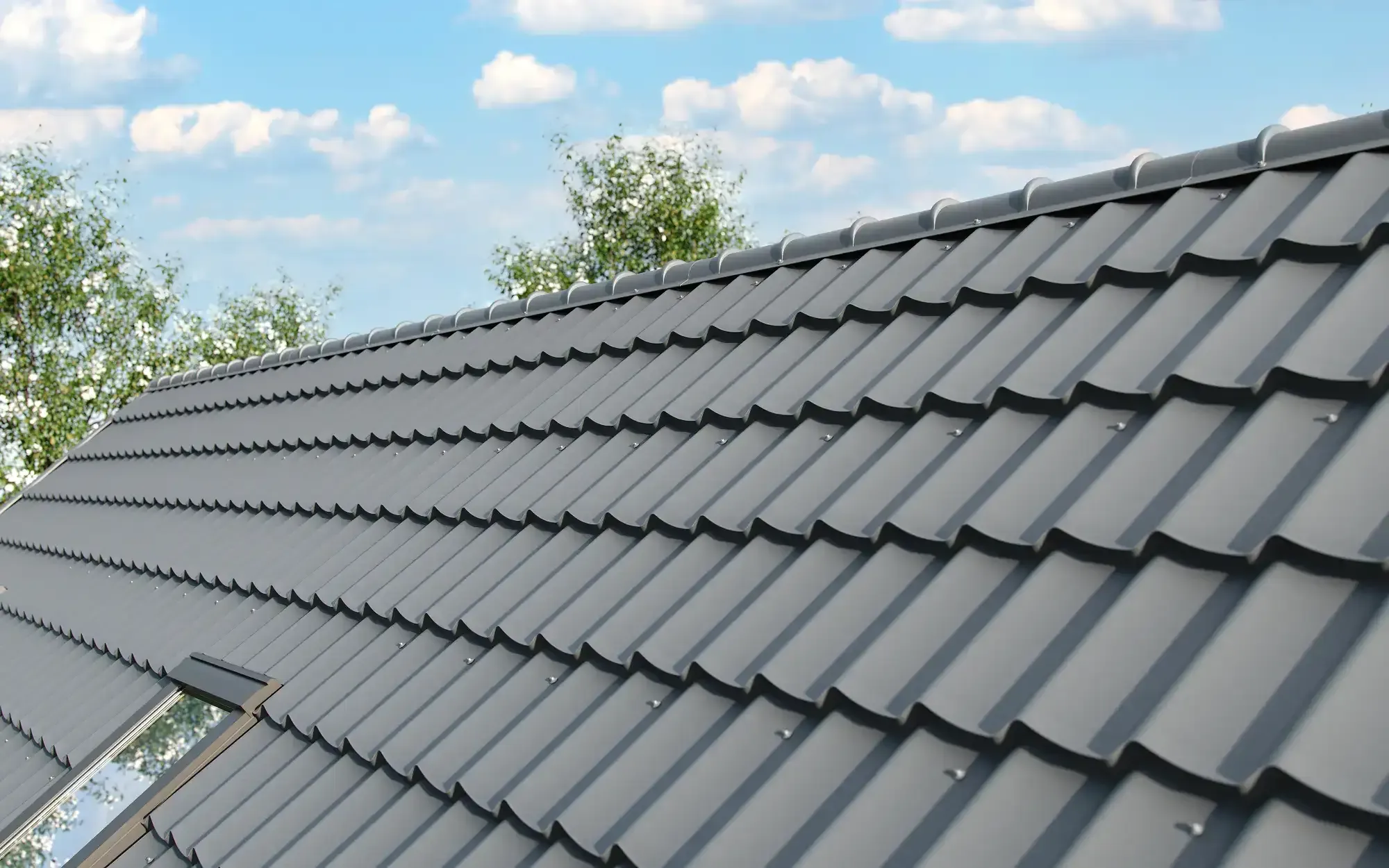
Close-up view of a sloped roof with gray metal roof tiles and a skylight, expertly installed by a trusted roofing contractor in Monmouth County, NJ, with trees and blue sky with clouds in the background.

Metal Roofing Installation Monmouth Hills

What Your Metal Roof Actually Does

Your energy bills drop immediately. We’re talking about 40% savings on cooling costs because metal reflects heat instead of absorbing it like asphalt does.

You stop worrying about the next storm. Metal roofs handle Monmouth County’s heavy snow loads, high winds, and temperature swings without the constant repairs that asphalt demands.

You get 40 to 70 years of protection. While your neighbors replace their roofs every 15 years, you’re done. One roof, decades of peace of mind.

Metal Roofing Contractors Monmouth Hills

40 Years in Monmouth County

We’ve been protecting homes in Monmouth Hills and throughout Monmouth County since the 1980s. We’re not some fly-by-night operation—we’re the family business your neighbors have trusted for four decades.

Our owner shows up to every job. Not a supervisor, not a foreman—the actual owner. That’s how we’ve built our reputation here.

We know what Monmouth County weather does to roofs. The heavy snow that slides right off metal but tears apart asphalt. The summer heat that makes traditional roofs absorb energy like a sponge. We’ve seen it all, and we install metal roofs that handle it all.

A close-up view of a modern building with a brown metal sloped roof by a top Roofing Contractor Monmouth County, featuring large windows and brick walls, taken on a clear, sunny day with trees in the background in NJ.

Standing Seam Metal Roof Installation

How We Install Your Metal Roof

First, we assess your current roof and structure. Metal is lighter than most materials, so we can often install right over your existing roof—saving you the mess and cost of a complete tear-off.

Next, we prepare the deck with proper underlayment and ventilation. This step is crucial for energy efficiency and preventing moisture issues down the road.

Then we install the metal panels using specialized fasteners designed for Monmouth County’s weather patterns. Standing seam systems expand and contract naturally with temperature changes, preventing the buckling and damage you see with cheaper installations.

Finally, we handle all the details—flashing, ridge caps, gutters—that make the difference between a roof that lasts 20 years and one that lasts 50.

A modern house in NJ with a dark metal roof featuring angled skylights, a large vertical chimney, and several small roof vents—showcasing the work of a top Roofing Contractor Monmouth County—set against a blue sky with scattered clouds.

Ready to get started?

Explore More Services

About A Russo & Son Roofing

Get a Free Consultation

Residential Metal Roofing Monmouth Hills

What's Included in Your Metal Roof

You get materials built for Monmouth County’s climate. We use metal roofing systems rated for high winds and heavy snow loads—not the light-duty stuff that fails in the first nor’easter.

Energy efficiency comes standard. Our metal roofs reflect up to 90% of solar heat, keeping your home cooler in summer and reducing the load on your HVAC system year-round.

We include comprehensive warranties: 35 years on materials, 30 years on our labor. Compare that to the 10-15 year warranties you get with asphalt, and you’ll see why metal makes financial sense.

Local building code compliance is automatic. We know Monmouth County’s requirements inside and out, and every installation meets or exceeds current standards for wind resistance and energy efficiency.
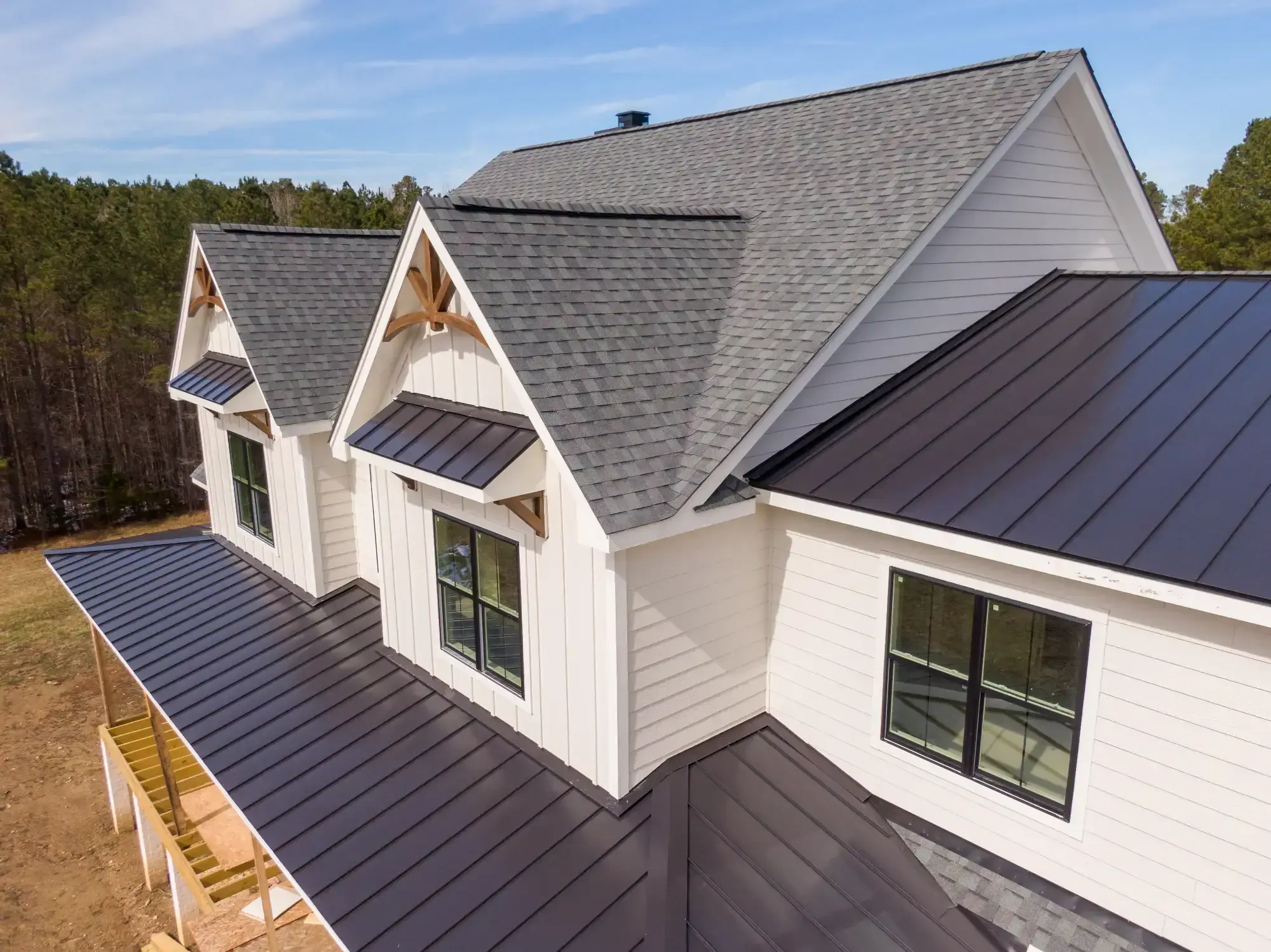
A modern farmhouse in NJ with white siding, black framed windows, and a mix of gray asphalt shingles and black metal roofing by a trusted Roofing Contractor Monmouth County, surrounded by trees under a blue sky.
Metal roofs typically reduce cooling costs by 25-40% compared to asphalt shingles. In Monmouth County’s hot summers, that translates to real savings—often $200-500 annually for an average home.The savings come from reflection, not absorption. While asphalt shingles soak up heat and push your air conditioner harder, metal roofs bounce that heat right back to the atmosphere. Your attic stays cooler, your house stays comfortable, and your energy bills drop.Winter brings savings too. Metal roofs shed snow efficiently, preventing ice dams that force your heating system to work overtime. Plus, the reflective properties work both ways—keeping heat in during cold months.
Properly installed metal roofs with adequate insulation are actually quieter than most people expect. The “tin roof” noise is largely a myth based on old, uninsulated installations.We install metal roofing with proper underlayment and insulation that dampens sound effectively. Most homeowners tell us they barely notice the difference during normal rain. Heavy storms might produce some sound, but it’s typically no louder than rain on asphalt.The bigger question is durability during storms. While you might hear a little more rain, you won’t hear the sound of your roof failing. Metal roofs handle Monmouth County’s severe weather—high winds, heavy snow, hail—without the damage that sends asphalt shingles flying into your yard.
Most residential metal roof installations take 2-5 days, depending on the size and complexity of your roof. Weather can extend this timeline, but metal installation is less weather-dependent than asphalt work.We often install over existing roofing, which eliminates the tear-off time and mess. This approach works well in Monmouth County where disposal costs are high and weather windows can be narrow.The installation process is cleaner and more precise than traditional roofing. Metal panels go on in large sections with fewer seams, creating fewer opportunities for leaks and faster completion times.
Standing seam metal roofing performs exceptionally well here. The raised seams allow for thermal expansion and contraction during our temperature swings, while the continuous panels shed snow and resist wind uplift.Steel and aluminum are both excellent choices for our area. Steel offers superior strength for heavy snow loads, while aluminum resists corrosion from salt air if you’re near the coast. Both materials handle Monmouth County’s weather extremes effectively.Color matters for energy efficiency. Lighter colors reflect more heat during summer, while darker colors can help with snow shedding in winter. We help you choose based on your home’s exposure and your energy priorities.
The math is straightforward when you factor in longevity and energy savings. Metal roofs cost more initially but last 40-70 years versus 15-20 for asphalt. Over time, you’re looking at one metal roof versus three or four asphalt replacements.Energy savings add up quickly. A metal roof paying for itself through reduced cooling costs over 10-15 years isn’t uncommon in our climate. Factor in reduced maintenance, better storm resistance, and increased home value, and the financial case becomes compelling.Insurance companies often offer discounts for metal roofing due to its fire resistance and storm durability. Some homeowners see immediate savings on their premiums that help offset the initial investment.
Yes, in most cases we can install metal roofing directly over one layer of asphalt shingles. This approach saves money on disposal costs and reduces installation time while providing excellent results.We first inspect your existing roof structure to ensure it can support the new system. Metal is actually lighter than most roofing materials, so structural issues are rare. We also check for any damage that needs repair before the new installation.Installing over existing roofing creates an additional insulation layer that can improve energy efficiency. The old shingles act as extra thermal barrier while the new metal provides superior weather protection and longevity.