Skip to content

Metal Roof in Parkway Pines, NJ

Built to Last Decades, Not Years

Your home deserves a metal roof that stands strong through every storm, saves energy year-round, and never needs replacing again.
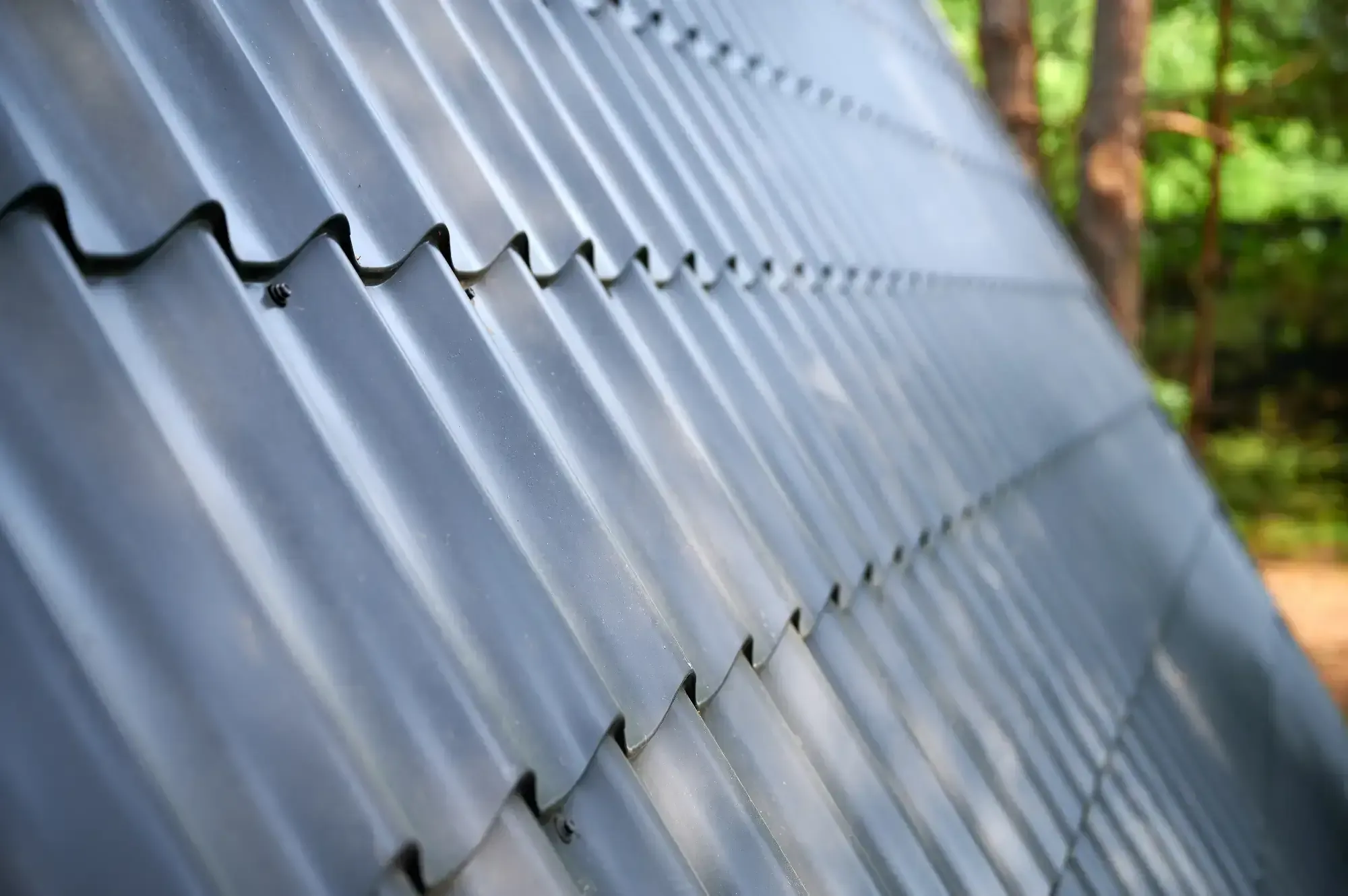
Close-up view of a metal sheet roof installed by a Roofing Contractor Monmouth County, featuring overlapping panels and wavy ridges. Trees and greenery are visible out of focus in the NJ background.

Hear from Our Customers

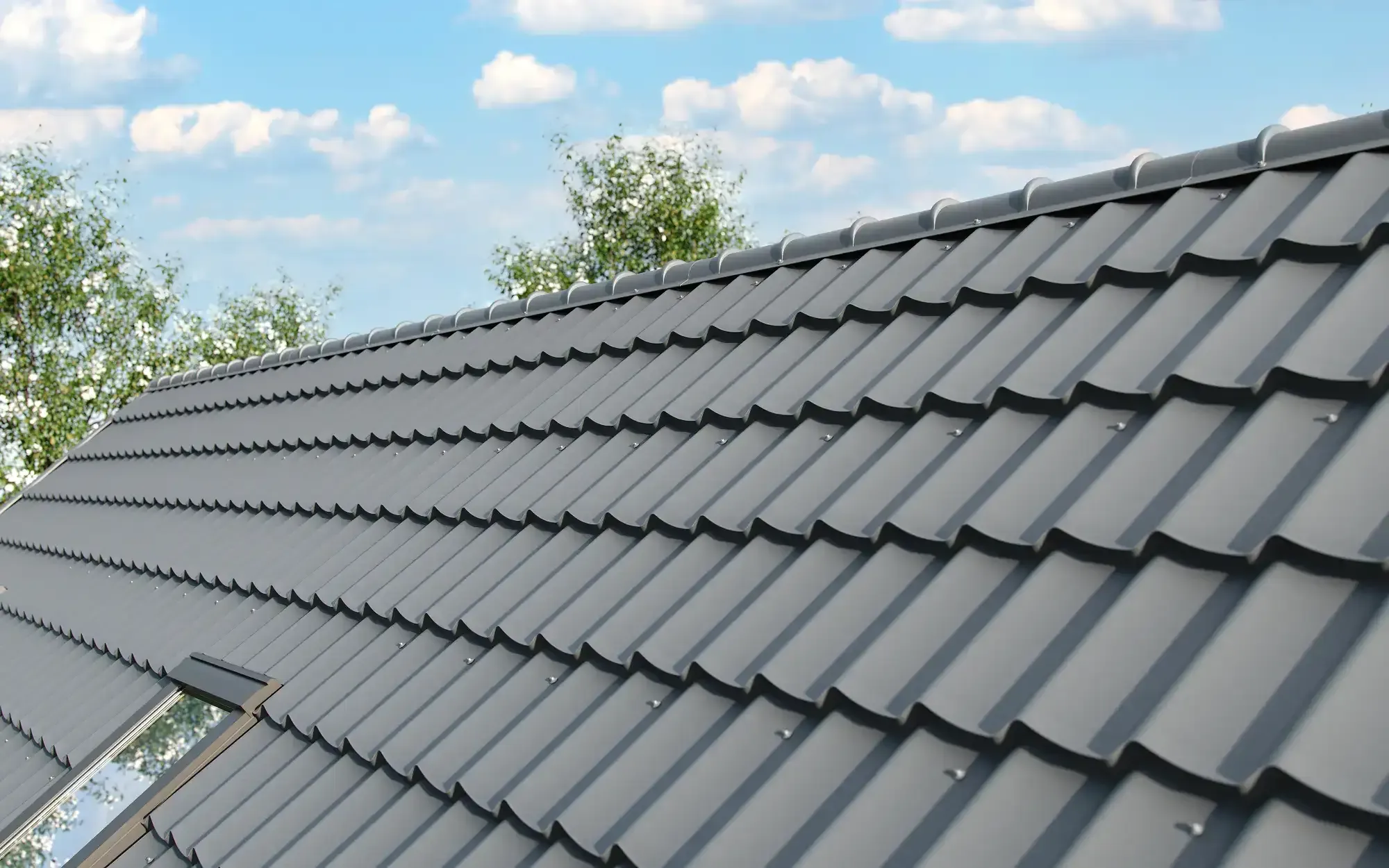
Close-up view of a sloped roof with gray metal roof tiles and a skylight, expertly installed by a trusted roofing contractor in Monmouth County, NJ, with trees and blue sky with clouds in the background.

Metal Roofing Installation Parkway Pines

What You Get With Metal Roofing

You’re looking at 50+ years of protection without the constant repairs and replacements that drain your wallet. Metal roofs cut your energy bills by up to 40% because they reflect heat instead of absorbing it like asphalt shingles.

When the next hailstorm or hurricane hits Parkway Pines, you’ll watch your neighbors scramble for tarps while your metal roof sheds water and debris like it’s nothing. No more emergency calls to roofers or insurance claims for storm damage.

Your home’s value jumps immediately. Buyers know metal roofing means they won’t face roofing headaches for decades, and they’re willing to pay more for that peace of mind.

Metal Roofing Contractors Parkway Pines

Four Decades of Proven Results

We’ve been installing metal roofs throughout Parkway Pines and Monmouth County since the 1980s. We’ve seen every type of roof failure, every weather pattern, and every installation challenge this area throws at contractors.

Our owner is on every job site. Not just for the estimate or the final inspection—he’s there making sure the work meets our standards from the first panel to the last ridge cap.

We back our metal roofing with a 30-year labor warranty and 20-year workmanship guarantee because we know it’s going to last. Most contractors won’t even offer half that coverage because they’re not confident in their work.

A close-up view of a modern building with a brown metal sloped roof by a top Roofing Contractor Monmouth County, featuring large windows and brick walls, taken on a clear, sunny day with trees in the background in NJ.

Metal Roof Installation Process

Exactly What Happens During Installation

We start with a complete inspection of your existing roof structure and decking. If there’s any rot or damage, we address it before installing your new metal roof—no shortcuts that come back to haunt you later.

Next comes the underlayment and ice dam protection. This is where most contractors cut corners, but we use premium materials because your metal roof is only as good as what’s underneath it.

Then we install your metal panels with precision-engineered fasteners and sealants. Every seam is locked mechanically and sealed against moisture. We finish with custom flashing around chimneys, vents, and roof edges—the details that separate professional installations from amateur work.

A modern house in NJ with a dark metal roof featuring angled skylights, a large vertical chimney, and several small roof vents—showcasing the work of a top Roofing Contractor Monmouth County—set against a blue sky with scattered clouds.

Ready to get started?

Explore More Services

About A Russo & Son Roofing

Get a Free Consultation

Standing Seam Metal Roofing

Why Parkway Pines Homeowners Choose Metal

Parkway Pines sits in a weather zone that sees everything from coastal storms to inland ice. Metal roofing handles all of it without breaking a sweat. Standing seam systems are especially popular here because they expand and contract with temperature changes without creating leak points.

The homes in your neighborhood built in the 1950s through 1980s have the structural integrity to support metal roofing without additional reinforcement. Newer construction handles it even better. We’ve installed metal roofs on everything from Cape Cods to colonials in Parkway Pines.

Energy savings matter more than ever with rising utility costs. Metal roofs reflect New Jersey’s summer heat, keeping your AC from working overtime. In winter, they shed snow and ice instead of creating dangerous ice dams that damage gutters and cause leaks.
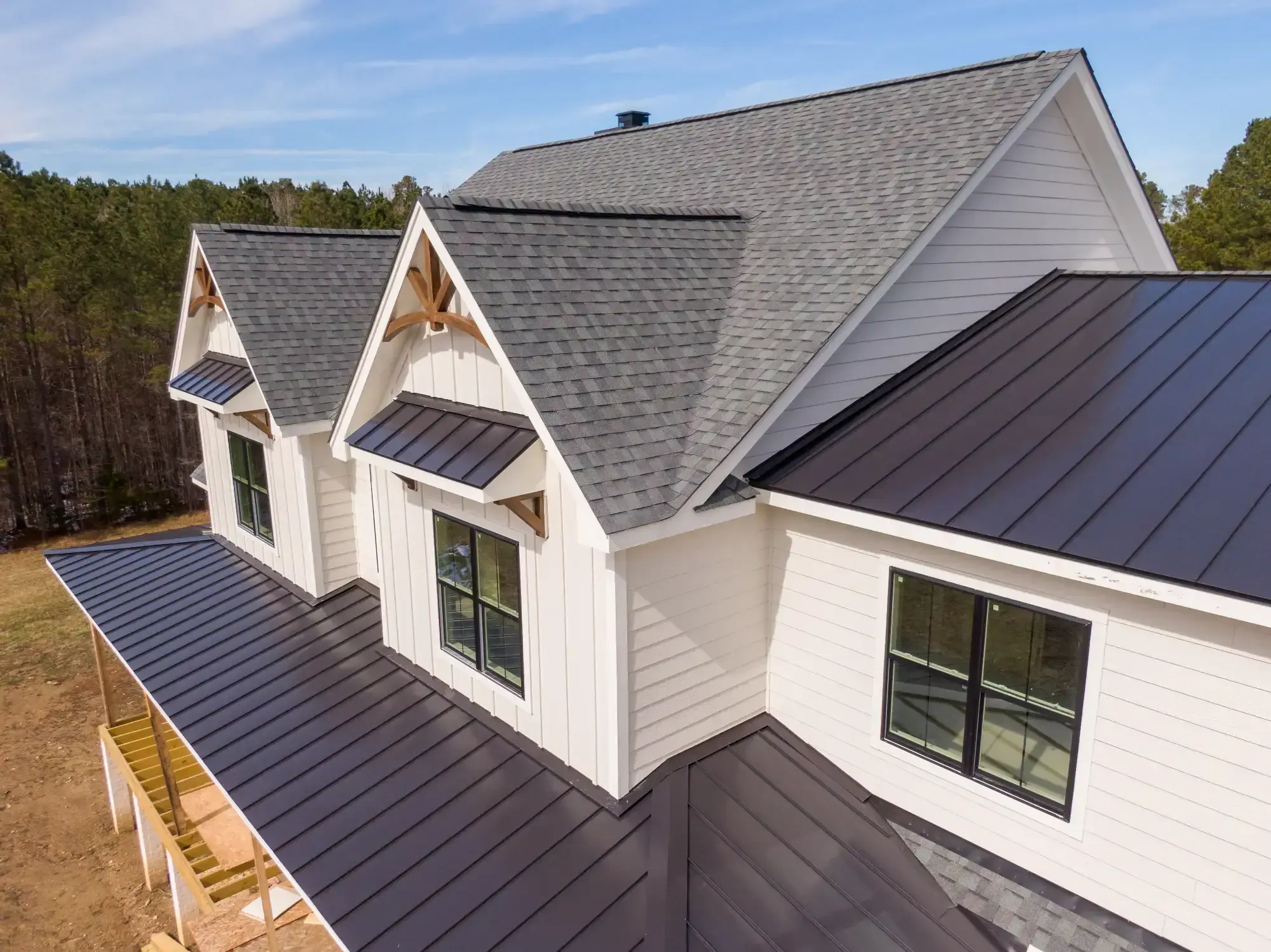
A modern farmhouse in NJ with white siding, black framed windows, and a mix of gray asphalt shingles and black metal roofing by a trusted Roofing Contractor Monmouth County, surrounded by trees under a blue sky.
Metal roofs in New Jersey typically last 50-70 years with proper installation and minimal maintenance. The key is using the right gauge metal and proper fastening systems for our climate. We see metal roofs we installed 30 years ago that still look and perform like new. Compare that to asphalt shingles that need replacement every 15-20 years, and you’re looking at installing 2-3 asphalt roofs in the time one metal roof serves you. New Jersey’s freeze-thaw cycles, coastal humidity, and storm activity don’t phase quality metal roofing. The panels expand and contract without cracking, and the finishes resist fading and corrosion better than any other roofing material.
Metal roofing costs 2-3 times more upfront than asphalt shingles, but you save money over time through energy savings, insurance discounts, and never needing replacement. A typical Parkway Pines home sees $200-400 annual energy savings with metal roofing. Many insurance companies offer 5-15% discounts for impact-resistant metal roofs. Add the fact that you’ll never replace it again, and metal roofing pays for itself. When you factor in the cost of 2-3 asphalt roof replacements over 50 years, plus the ongoing repairs and maintenance, metal roofing actually costs less in the long run while giving you better performance and curb appeal.
Properly installed metal roofing with quality underlayment is actually quieter than asphalt shingles during rain. The noise concern comes from old barn roofs installed directly over rafters with no insulation. We install metal roofing over solid decking with premium underlayment and proper attic insulation. This creates multiple sound barriers that eliminate the drumming effect people worry about. Most of our customers are surprised how quiet their new metal roof is. The solid installation and quality materials actually provide better sound dampening than the old asphalt system they replaced.
Metal roofing is the most storm-resistant roofing material available. It’s rated for winds up to 140 mph and receives the highest hail impact ratings from insurance companies. We’ve seen metal roofs survive direct hits from golf ball-sized hail that destroyed every asphalt roof in the neighborhood. The metal may show minor cosmetic denting, but it doesn’t crack, tear, or leak like asphalt shingles. Hurricane-force winds that rip off asphalt shingles barely affect properly installed metal roofing. The interlocking panels and mechanical fastening systems are engineered to handle extreme weather that would devastate other roofing materials.
Standing seam metal roofing is the most popular choice in Parkway Pines because it handles our climate perfectly and complements both traditional and modern home styles. We typically recommend 24-gauge steel with Kynar 500 finish for maximum durability and color retention. Aluminum works well for coastal areas but steel performs better in our inland climate with temperature extremes. Color choices matter for energy efficiency and curb appeal. Lighter colors reflect more heat for energy savings, while darker colors like charcoal and bronze are trending for their modern look. We help you choose based on your home’s style and your priorities.
Most homes in Parkway Pines easily support metal roofing because metal is actually lighter than asphalt shingles. A typical metal roof weighs 1-3 pounds per square foot compared to 3-5 pounds for asphalt. We perform a structural assessment during our free estimate to check rafter spacing, decking condition, and overall roof integrity. Homes built to modern codes handle metal roofing without any structural modifications. Older homes occasionally need minor reinforcement, but it’s rare and usually involves strengthening decking rather than structural changes. We identify any issues upfront so there are no surprises during installation.