
Metal Roofing in Rossmoor, NJ
A Roof That Outlasts Your Retirement Years
Hear from Our Customers
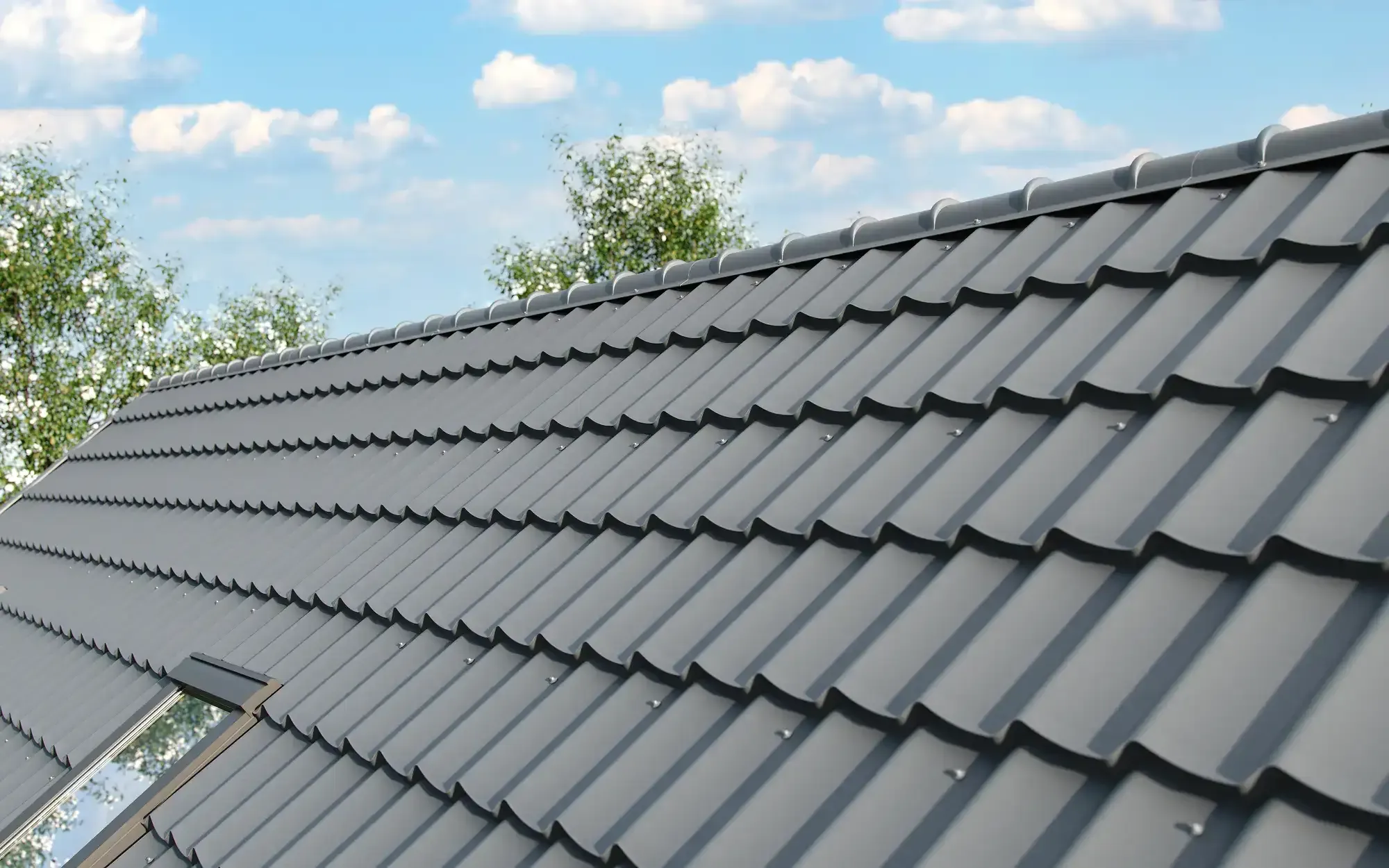
Metal Roof Installation Rossmoor, NJ
You’re looking at 40 to 70 years of protection with metal roofing panels. That’s not marketing talk—that’s the actual lifespan of standing seam metal roof systems installed correctly in New Jersey’s climate.
Most asphalt shingle roofs in Rossmoor fail around the 15 to 20 year mark. The humidity from being near the coast, the freeze-thaw cycles every winter, and those surprise hailstorms all take their toll faster than the 25-year warranty suggests. You’ve probably already replaced one roof, maybe two.
Steel roofing and aluminum roofing don’t break down the same way. They handle New Jersey’s 45 inches of annual rain without absorbing moisture. They shed snow instead of trapping ice dams. And when hail hits—which happens here—you’re looking at a Class 4 impact rating that actually protects your home instead of requiring another insurance claim.
Your energy bills drop 10 to 25 percent because metal reflects heat instead of absorbing it. Some homeowners see up to 40 percent savings with proper installation and insulation. Your insurance company notices too—expect discounts between 20 and 35 percent on your premiums because metal roofing reduces their risk.
This matters more on a fixed income. You’re not budgeting for emergency repairs or planning around the next replacement. You’re done with roofing decisions.
Metal Roofing Contractors Rossmoor, NJ
We’ve installed metal roofs in Rossmoor and throughout Monmouth County since the early 1980s. We’ve seen what works in this specific climate and what fails after a few seasons.
Every metal roof installation gets owner supervision. That’s not standard in this industry, but it matters when you’re trusting someone with a 40-year investment. Our crews know how New Jersey’s temperature swings affect expansion joints, how coastal humidity impacts fastener choices, and why proper underlayment makes the difference between a 30-year roof and a 60-year roof.
We’re licensed, insured, and we back every installation with a 30-year warranty on top of manufacturer coverage. Most Rossmoor residents are planning to stay in their homes long-term—you need a roofing company that’ll still be here if you need us in 2045. We will be.

Standing Seam Metal Roof Installation
We start with a roof inspection that looks at your decking, not just the surface. Metal roofing panels need solid substrate—if your decking has soft spots or water damage from your old roof, we address that first. You don’t want to install a 50-year roof over rotted wood.
Next comes underlayment selection. This isn’t one-size-fits-all. Your home’s age, your attic ventilation, and whether you’re adding insulation all affect which underlayment prevents condensation and maximizes energy efficiency. We’re matching materials to your specific situation, not running the same system on every house.
The metal roofing installation itself involves precise measurements for expansion and contraction. New Jersey sees temperature swings from below zero to over 90 degrees—your roof expands and contracts with those changes. Fasteners need to allow movement without creating leaks. Flashing around chimneys, vents, and valleys gets custom-fitted because that’s where most metal roof problems start if the installation is rushed.
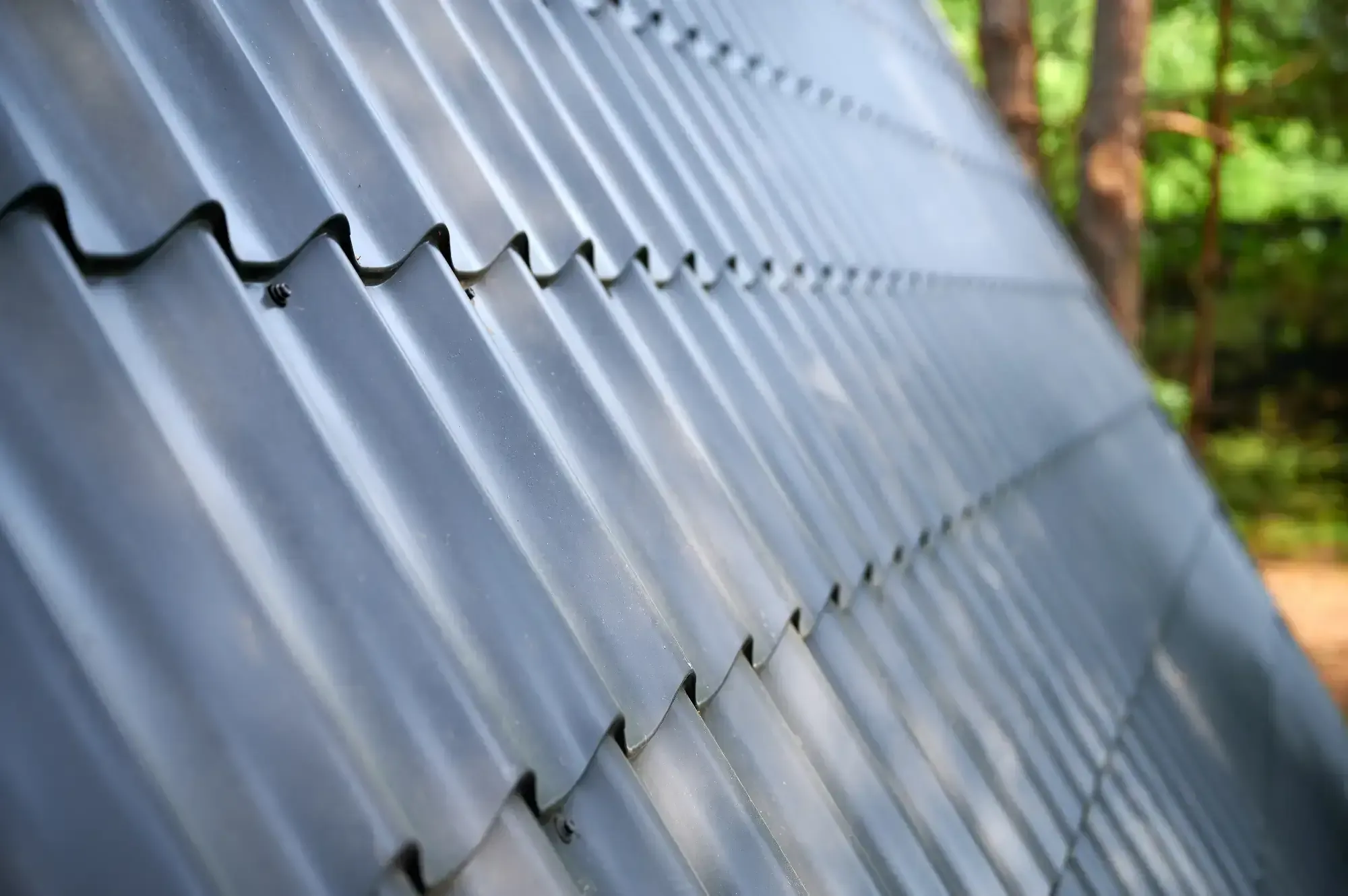
Standing seam metal roof systems use concealed fasteners, which means no exposed screws to work loose over time. Panels interlock and get crimped together, creating a continuous weather barrier. Corrugated metal roofing uses exposed fasteners with rubber washers—both systems work, but standing seam typically lasts longer with less maintenance.
We finish with a full cleanup and a walkthrough showing you exactly what we did and what to expect over the next few decades. You’ll know how to maintain it, what to watch for, and when to call us for the occasional inspection.

Ready to get started?
Energy-Efficient Roofing Rossmoor, NJ
Metal shingles and standing seam panels both qualify as energy-efficient roofing because they reflect solar radiation instead of absorbing it. Your attic stays cooler in summer, which means your AC runs less. In winter, proper insulation under metal roofing keeps heat inside better than asphalt systems.
Hail resistance matters in Rossmoor. We get severe storms rolling through Monmouth County—10 to 15 significant weather events every year. Metal roofing carries a Class 4 impact rating, the highest available. That’s tested protection against 2-inch hail traveling at terminal velocity. Your neighbors with asphalt shingles are filing insurance claims while your roof shows no damage.
Fire safety comes standard. Metal roofing has a Class A fire rating—it won’t ignite, won’t spread flames, and won’t contribute fuel if fire reaches your home. Insurance companies price this into your premiums, which is why you see those 20 to 35 percent discounts.
You’re also getting materials made from 35 to 95 percent recycled content that’s fully recyclable at end of life. Most metal roofs outlive the homeowner, but if yours ever does come down, it doesn’t sit in a landfill like asphalt shingles.
Maintenance requirements are minimal. You’ll want an inspection every few years to clear debris and check fasteners, but you’re not scheduling regular repairs or worrying about missing shingles after every storm. For homeowners in their 60s, 70s, and beyond, that reduction in maintenance burden matters as much as the cost savings.
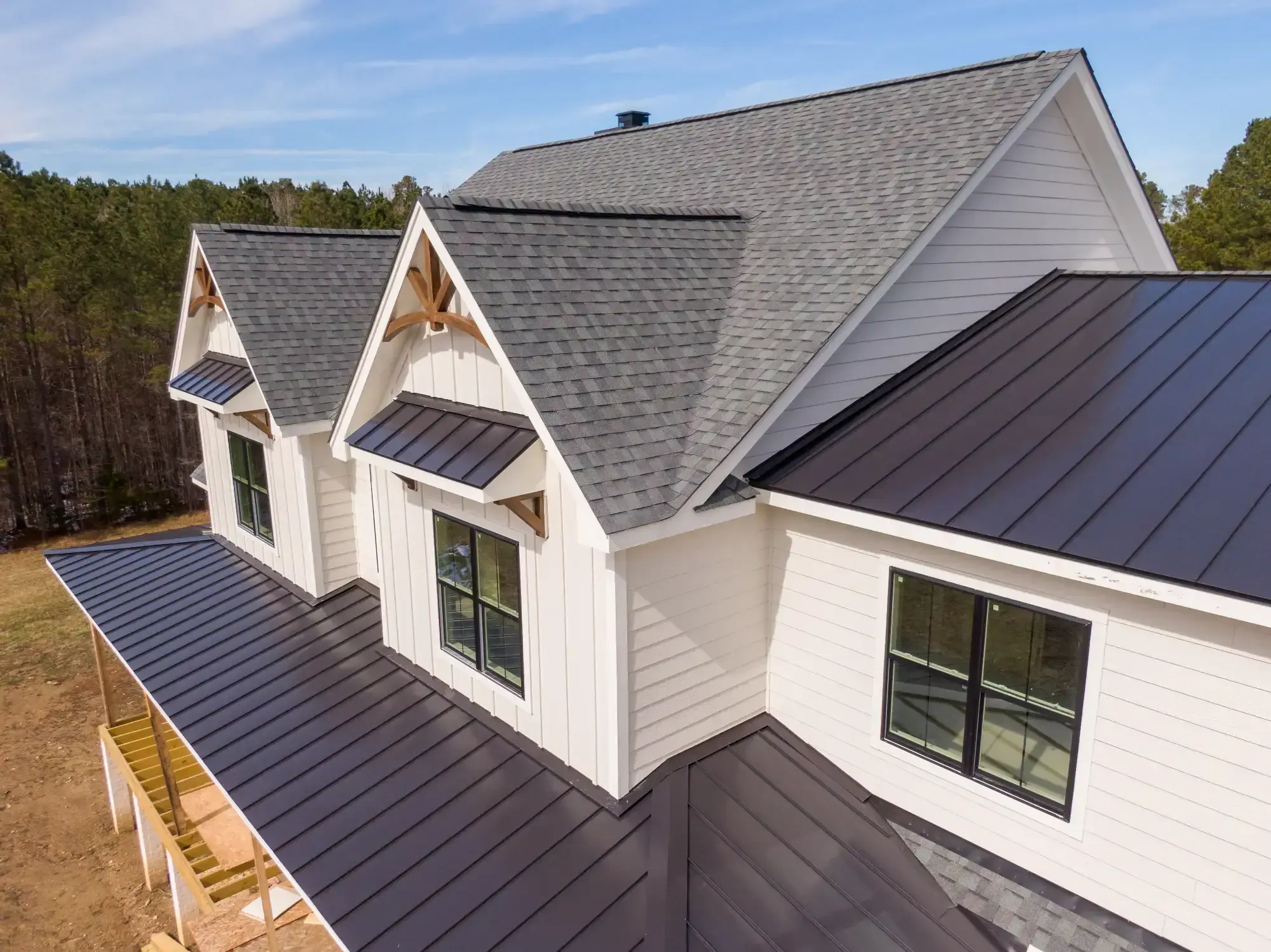
How much does metal roofing cost compared to asphalt shingles in Rossmoor?
Metal roofing installation in Rossmoor typically runs $9 to $12 per square foot installed. Asphalt shingles cost $3.50 to $5.50 per square foot. That’s roughly double the upfront cost.
But you’re comparing a 15 to 20 year roof against a 40 to 70 year roof. If you’re 65 years old and planning to stay in your home, asphalt means you’ll likely need one more replacement—possibly two if you’re in good health. Metal means you’re done. You’re also saving 10 to 25 percent on energy costs annually and getting insurance discounts that add up over decades.
The math works differently for everyone, but most Rossmoor homeowners who choose metal roofing are thinking about total cost over their remaining years in the home, not just the installation price. When you factor in the elimination of future replacement costs, the energy savings, and the insurance discounts, metal roofing often costs less over a 20 to 30 year period than replacing asphalt shingles twice.
Will metal roofing be too loud during rainstorms?
Properly installed metal roofing with solid decking and quality underlayment produces no more noise than asphalt shingles during rain or hail. The difference is in the installation, not the material.
The “noisy metal roof” problem comes from metal installed over open framing—think old barns or sheds where panels are attached directly to rafters with air space underneath. Your home has solid roof decking, and we install underlayment that provides sound dampening between the metal and the structure.
Most homeowners report they can’t tell the difference between their old asphalt roof and their new metal roof during storms. Some actually notice less noise because metal doesn’t have the textured surface that creates sound when rain hits it at an angle. If noise is a concern, we can add extra sound-dampening underlayment during installation, but it’s rarely necessary in residential applications with proper decking.
What's the difference between standing seam and corrugated metal roofing?
Standing seam metal roof systems use concealed fasteners and interlocking panels that create a smooth, continuous surface. Corrugated metal roofing uses exposed fasteners with rubber washers that penetrate the panels. Both work—they just have different maintenance requirements and lifespans.
Standing seam typically lasts longer because there are no exposed fasteners to work loose or allow water penetration. The panels expand and contract freely, which matters in New Jersey’s climate where you see 100-degree temperature swings between winter and summer. Most standing seam installations in Rossmoor last 50 to 70 years with minimal maintenance.
Corrugated metal roofing costs less upfront and installs faster. It’s a solid choice for many homes, especially if budget is the primary concern. You’ll need to inspect and possibly replace fasteners every 15 to 20 years as the rubber washers age, but the panels themselves will outlast asphalt shingles by decades. We install both types depending on your priorities—longevity and minimal maintenance versus lower initial cost.
Does metal roofing really lower insurance premiums in New Jersey?
Yes. Most insurance carriers in New Jersey offer discounts between 20 and 35 percent for metal roofing because it reduces their risk exposure. Metal roofing has the highest impact rating for hail, the highest fire rating, and it’s approved for hurricane zones.
New Jersey insurance companies have been raising deductibles for weather-related damage, which means you’re covering more of the repair costs out of pocket when storms hit. Metal roofing eliminates most of that risk—you’re not filing claims for hail damage, wind-blown shingles, or fire spread. The insurance company sees that in their actuarial tables and prices your policy accordingly.
The discount varies by carrier and by your specific home characteristics, but expect to save several hundred dollars annually on premiums. Over a 30-year period, that’s $6,000 to $10,000 in savings that directly offset your installation cost. Contact your insurance agent before installation to confirm your specific discount—some carriers require documentation of materials and installation standards, which we provide as part of every metal roofing project.
Can metal roofing be installed over existing asphalt shingles?
Sometimes, but it’s not always the best choice. Building codes in New Jersey allow metal roofing installation over one layer of asphalt shingles if the decking is in good condition. It saves on removal and disposal costs, which can run $1 to $2 per square foot.
The problem is you can’t inspect the decking without removing the old shingles. If there’s water damage, soft spots, or rot underneath, you’re installing a 50-year roof over a compromised structure. That’s a bad investment. We’ve seen situations where homeowners saved $2,000 on removal only to discover decking problems five years later that cost $8,000 to fix because the metal had to come off first.
We typically recommend full removal in Rossmoor because many homes were built in the 1960s and 1970s. Your roof decking is 50-plus years old, and your existing asphalt shingles have likely allowed some moisture penetration over their lifespan. Better to know what you’re working with, replace any damaged decking, and install your metal roofing over a solid, dry substrate. You’re making a 40 to 70 year investment—the extra $1,500 to $2,500 for proper removal is worth it for peace of mind.
How do I maintain a metal roof in Rossmoor's climate?
Metal roofing maintenance in Rossmoor involves clearing debris, checking fasteners and flashing, and rinsing the surface every few years. That’s about it. You’re not replacing shingles, sealing cracks, or worrying about moss growth like you would with asphalt.
Debris accumulation happens in valleys and behind chimneys where leaves and branches collect. Clear those areas once or twice a year to prevent water from pooling. Standing water isn’t great for any roof, even metal. A leaf blower or soft brush works—no pressure washing needed.
Fasteners and flashing should get inspected every three to five years. We’re looking for any screws that have worked loose due to expansion and contraction, and we’re checking that flashing around vents and chimneys hasn’t separated. These are quick fixes if caught early. Most metal roofs in Rossmoor go decades without needing fastener attention if they’re installed correctly from the start.
Coastal humidity means you might see some surface oxidation on steel roofing over time, especially if you’re close to the ocean. That’s normal and doesn’t affect performance—it’s similar to the patina that develops on copper roofing. If aesthetics matter, a rinse with water every few years keeps the finish looking fresh. Aluminum roofing doesn’t oxidize the same way, which is why some Rossmoor homeowners prefer it despite the higher cost.