Skip to content

Metal Roof in Southard, NJ

Weather-Proof Your Home for Decades

Stop worrying about your roof every storm season. Get a metal roof that handles New Jersey’s toughest weather while cutting your energy bills.
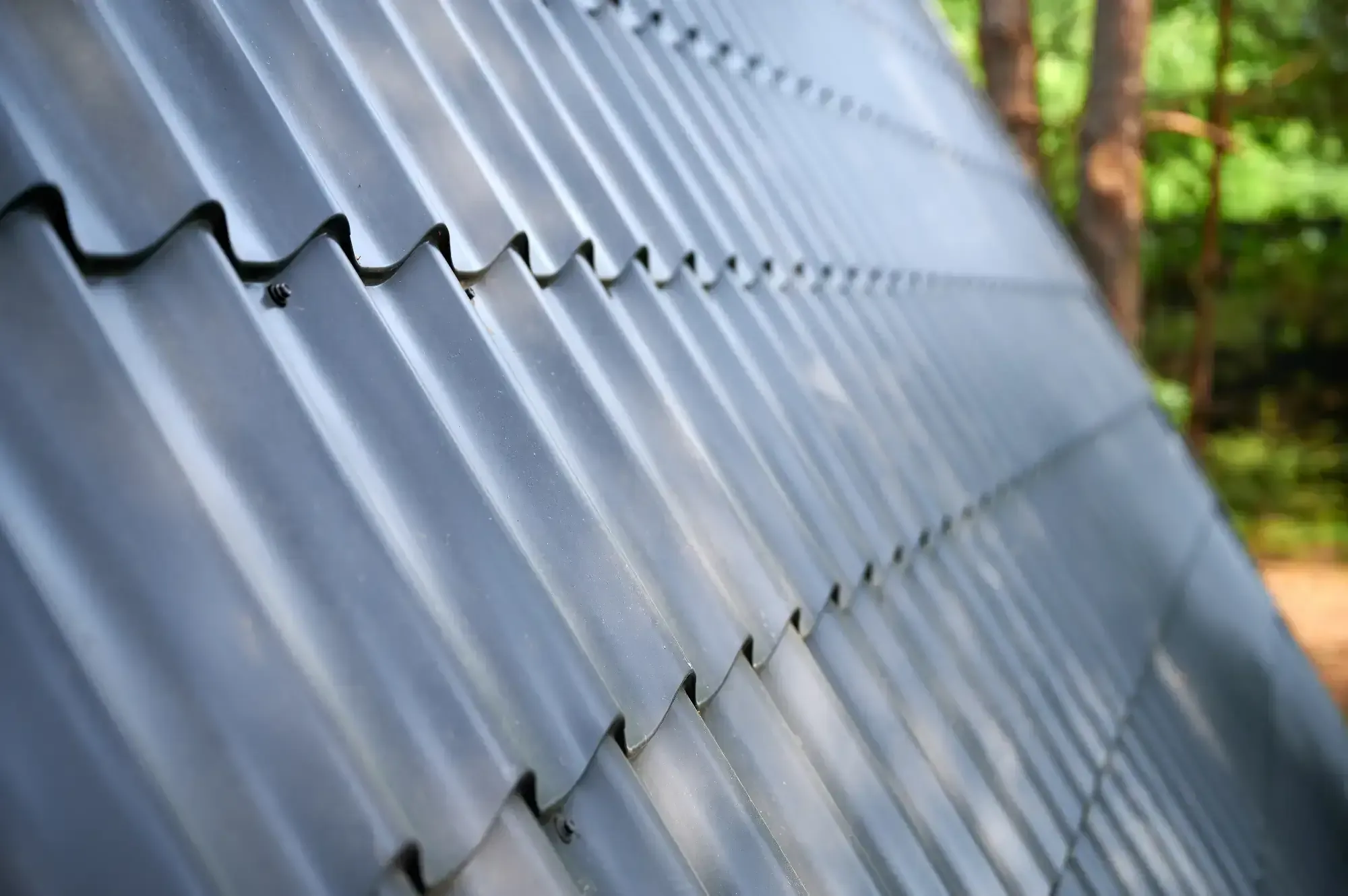
Close-up view of a metal sheet roof installed by a Roofing Contractor Monmouth County, featuring overlapping panels and wavy ridges. Trees and greenery are visible out of focus in the NJ background.

Hear from Our Customers

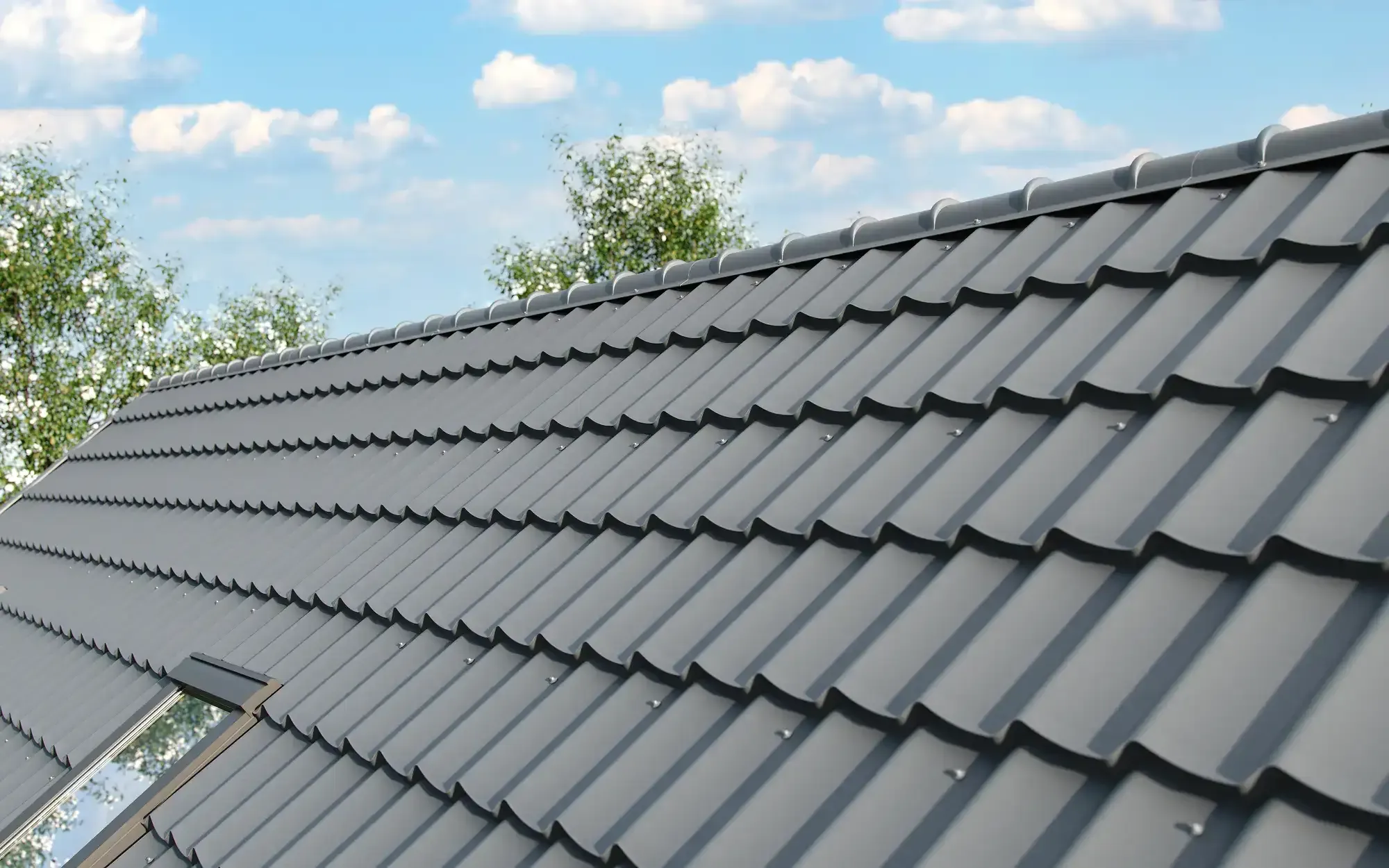
Close-up view of a sloped roof with gray metal roof tiles and a skylight, expertly installed by a trusted roofing contractor in Monmouth County, NJ, with trees and blue sky with clouds in the background.

Metal Roof Installation Southard

Your Energy Bills Drop Immediately

The day your metal roof goes on, you start saving money. Your cooling costs can drop by up to 40% because metal reflects heat instead of absorbing it like asphalt shingles.

You’ll sleep better knowing your roof can handle whatever New Jersey throws at it. High winds, heavy snow, hail storms – metal roofing stands strong when other materials fail. Plus, you’re looking at 40 to 70 years of protection, not the 15-20 years you get from traditional shingles.

No more climbing up to replace missing shingles after every storm. No more emergency calls to patch leaks. Metal roofing means fewer headaches and more money in your pocket over the long haul.

Metal Roofing Contractors Southard

Four Decades of Southard Roofing

We’ve been protecting Southard homes since the 1980s. We’re not some fly-by-night operation – we’re your neighbors, and we’ve seen what works in this area.

Our owner shows up to every job. That’s not something you hear often anymore, but it’s how we’ve built our reputation. When you hire us, you get the experience of four decades plus the accountability that comes with a family name on the truck.

We know Southard’s weather patterns. We understand how the salt air affects different materials. We’ve weathered nor’easters, hurricanes, and everything in between. That local knowledge makes a difference when you’re choosing materials and installation methods that need to last.

A close-up view of a modern building with a brown metal sloped roof by a top Roofing Contractor Monmouth County, featuring large windows and brick walls, taken on a clear, sunny day with trees in the background in NJ.

Metal Roof Replacement Process

No Surprises, Just Results

We start with a thorough inspection of your current roof structure. Not every roof can handle metal without some prep work, and we’ll tell you exactly what’s needed upfront.

Next comes material selection. We’ll show you different metal options, colors, and styles that work with your home’s architecture. Standing seam is popular here because it handles our weather so well, but we’ll explain all your choices.

Installation happens fast once we start. Most residential metal roofs go up in 2-3 days, weather permitting. We protect your landscaping, keep the work area clean, and make sure every panel is properly secured. Our crews know metal roofing inside and out – this isn’t a side job for us.

A modern house in NJ with a dark metal roof featuring angled skylights, a large vertical chimney, and several small roof vents—showcasing the work of a top Roofing Contractor Monmouth County—set against a blue sky with scattered clouds.

Ready to get started?

Explore More Services

About A Russo & Son Roofing

Get a Free Consultation

Standing Seam Metal Roofing

Built for New Jersey Weather

Metal roofing isn’t just about durability – it’s about smart engineering for our specific climate. In Southard, we deal with everything from ice storms to summer heat waves, and metal handles it all.

The reflective properties matter more than you might think. While your neighbors are cranking their AC, your metal roof is bouncing heat away from your house. That’s real money back in your pocket every month during cooling season.

We install standing seam systems that expand and contract properly with temperature changes. The fasteners are hidden, so there’s no exposed hardware to work loose over time. Each panel interlocks with the next, creating a weather barrier that keeps water out even in driving rain.
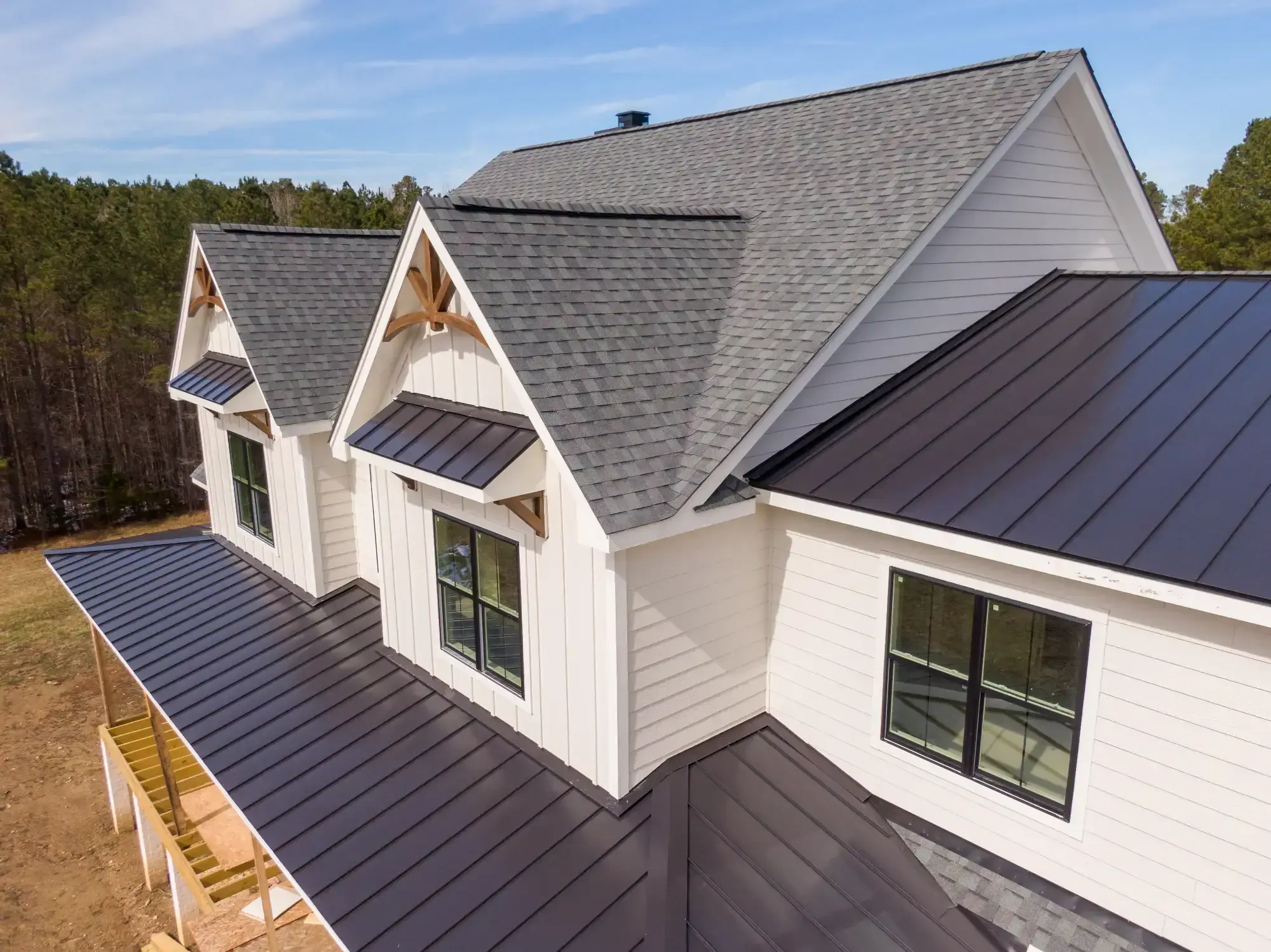
A modern farmhouse in NJ with white siding, black framed windows, and a mix of gray asphalt shingles and black metal roofing by a trusted Roofing Contractor Monmouth County, surrounded by trees under a blue sky.
A properly installed metal roof in New Jersey typically lasts 40 to 70 years, sometimes longer. Compare that to asphalt shingles, which need replacement every 15-20 years in our climate. The key is proper installation and choosing the right materials for our coastal environment. We use galvanized steel or aluminum that’s designed to resist the salt air and humidity we get here. The coatings we apply provide additional protection against rust and corrosion. Your metal roof will likely outlast your mortgage. Many of our customers installed metal roofs in the 1990s that are still going strong today. That’s the kind of long-term value you’re looking for in a major home investment.
Actually, the opposite is true. Metal roofs reflect heat away from your house, keeping it cooler than traditional roofing materials. This is especially important during New Jersey’s humid summers. Asphalt shingles absorb heat and transfer it into your attic space. Metal roofing reflects that heat back toward the sky before it can warm your home. The result is lower cooling costs and a more comfortable living space. All the metal roofing colors we install meet ENERGY STAR requirements. That means they’re certified to reduce energy consumption. Some homeowners see their cooling bills drop by 25-40% after switching to metal roofing.
Modern metal roofing with proper installation isn’t significantly noisier than other roofing materials. The key is using adequate insulation and underlayment during installation. We install a solid deck underneath the metal panels, along with proper insulation. This creates a sound barrier that dampens noise from rain, hail, or other weather. Most homeowners are surprised by how quiet their metal roof actually is. If noise is a concern, we can add extra sound-dampening materials during installation. But in our experience, most customers find the sound level perfectly acceptable, especially when they consider the other benefits metal roofing provides.
In many cases, yes, but it depends on the condition of your existing roof and local building codes. We’ll need to inspect your current roof structure to determine if it can support the additional weight. Installing over existing shingles can save time and disposal costs, but we never compromise on structural integrity. If your roof deck is damaged or your current roof is too deteriorated, we’ll recommend a complete tear-off first. The advantage of going over existing shingles is faster installation and less disruption to your daily routine. We’ll evaluate your specific situation and recommend the best approach for your home and budget.
Standing seam metal roofing has raised seams that interlock and are sealed, creating a continuous weather barrier. The fasteners are hidden underneath the panels, so there’s no exposed hardware to leak or work loose. Other metal roofing styles like corrugated or through-fastened panels have visible screws that can be maintenance points over time. Standing seam eliminates this issue and provides superior weather protection. For New Jersey’s climate, standing seam is usually the best choice. It handles our temperature swings better, provides excellent water shedding, and gives you that clean, modern look that many homeowners prefer.
Metal roofing costs more upfront than asphalt shingles, but it’s important to look at the total cost of ownership. When you factor in the longer lifespan and energy savings, metal often costs less over time. A typical asphalt roof might cost $15,000 but need replacement in 15-20 years. A metal roof might cost $25,000 but last 50+ years. Add in the energy savings and reduced maintenance, and metal roofing often pays for itself. We offer financing options to help with the upfront investment. Plus, you might qualify for energy efficiency rebates or tax credits that reduce your net cost. We’ll help you understand all the financial aspects before you decide.