Skip to content

Metal Roof in Spring Lake, NJ

Coastal Metal Roofing Built to Last

Protect your Spring Lake investment with metal roofing designed for salt air, hurricane winds, and decades of coastal weather.
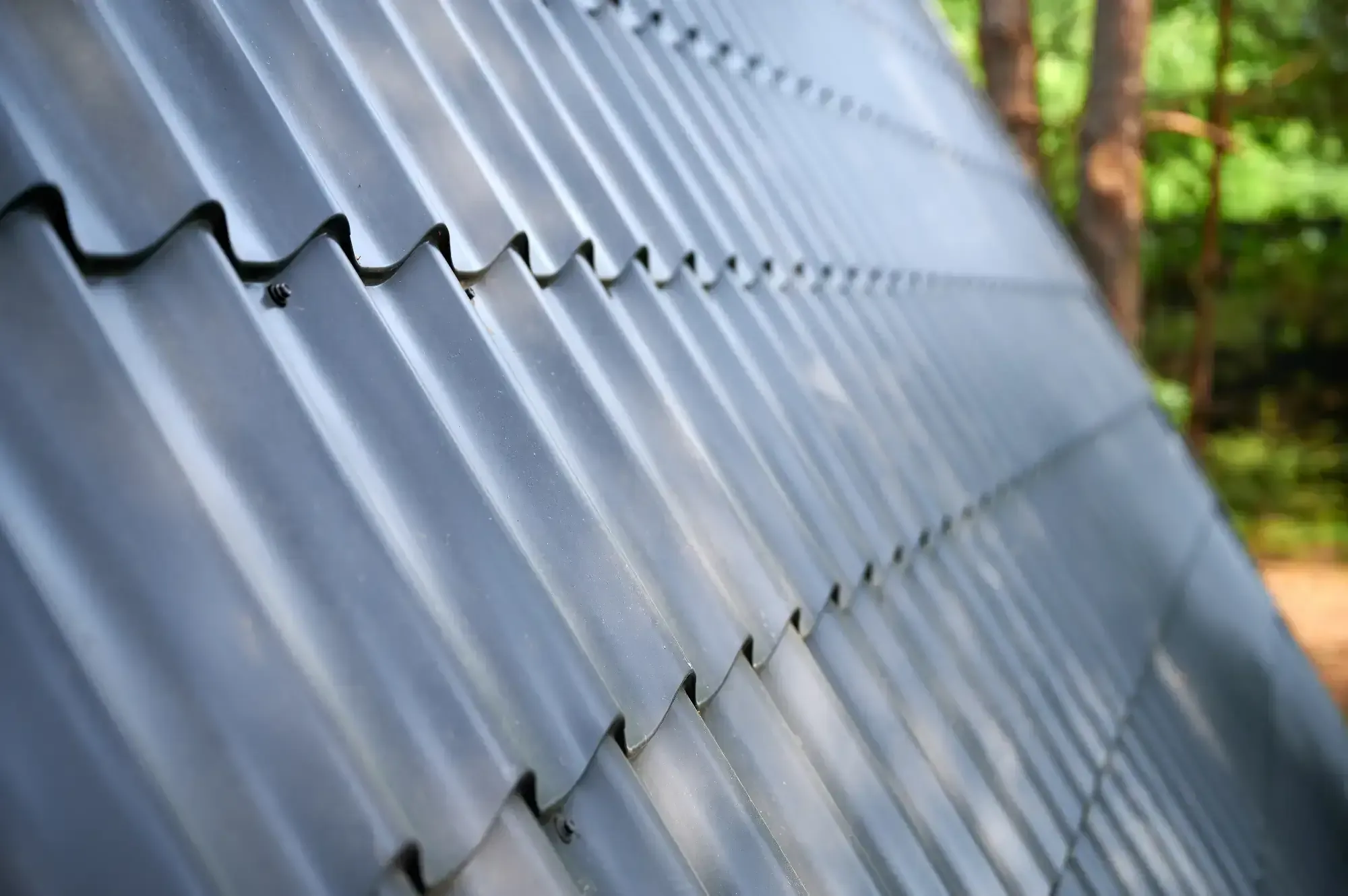
Close-up view of a metal sheet roof installed by a Roofing Contractor Monmouth County, featuring overlapping panels and wavy ridges. Trees and greenery are visible out of focus in the NJ background.

Hear from Our Customers

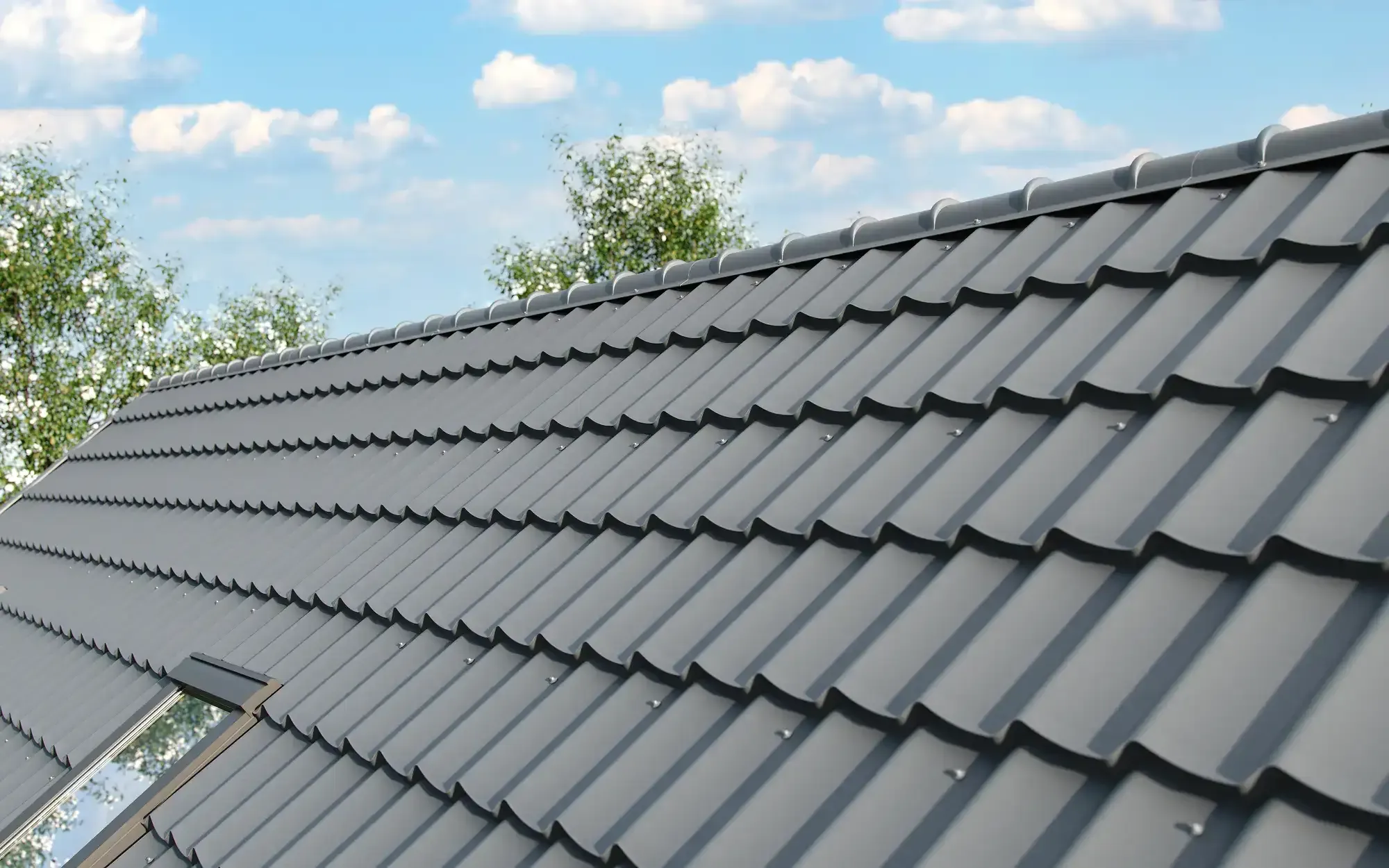
Close-up view of a sloped roof with gray metal roof tiles and a skylight, expertly installed by a trusted roofing contractor in Monmouth County, NJ, with trees and blue sky with clouds in the background.

Metal Roof Installation Spring Lake

50+ Years of Weather Protection

Your Spring Lake home faces unique challenges. Salt air eats through standard roofing materials. Hurricane-force winds test every fastener. Ice dams form when temperatures drop.

Metal roofing changes that equation completely. You get 50+ years of protection instead of replacing asphalt shingles every 20 years. Your energy bills drop up to 40% because metal reflects heat instead of absorbing it. Storm damage becomes rare because metal handles 140 mph winds and sheds snow like nothing else.

The math is simple: fewer replacements, lower energy costs, and zero worry about the next coastal storm.

Spring Lake Metal Roofing Contractors

40+ Years Protecting Coastal Homes

We’ve weathered every major storm that’s hit the Jersey Shore since 1980. We’ve seen what works and what fails when salt air meets roofing materials.

Our owner shows up to every job in Spring Lake. Not a sales rep. Not a crew foreman. The owner. Because when you’re protecting a multi-million dollar coastal property, details matter. Every fastener, every seam, every flashing detail gets done right the first time.

We use aluminum and galvanized steel with PVDF coatings specifically rated for coastal environments. These aren’t the materials you’ll find at big box stores. They’re engineered to resist corrosion within 3,000 feet of the ocean.

A close-up view of a modern building with a brown metal sloped roof by a top Roofing Contractor Monmouth County, featuring large windows and brick walls, taken on a clear, sunny day with trees in the background in NJ.

Metal Roof Replacement Process

Transparent Installation From Start to Finish

We start with a detailed assessment of your current roof and coastal exposure. Spring Lake’s location means we need to account for salt air patterns, prevailing winds, and snow load requirements that differ from inland properties.

Next comes material selection. We’ll show you aluminum vs. steel options, explain coating systems, and help you choose colors that complement Spring Lake’s historic architecture. Everything gets spelled out in writing with fixed pricing.

Installation happens with our own crews – no subcontractors. We remove old materials, install proper underlayment, and secure each panel with coastal-grade fasteners. Our owner inspects progress daily. Complete cleanup happens every evening because we know how Spring Lake values property appearance.

Final inspection covers every detail with you present. We provide warranty documentation and maintenance guidelines specific to coastal conditions.

A modern house in NJ with a dark metal roof featuring angled skylights, a large vertical chimney, and several small roof vents—showcasing the work of a top Roofing Contractor Monmouth County—set against a blue sky with scattered clouds.

Ready to get started?

Explore More Services

About A Russo & Son Roofing

Get a Free Consultation

Coastal Metal Roofing Solutions

Complete Metal Roofing Services

Spring Lake’s coastal environment demands specialized expertise. We provide standing seam metal roofing, corrugated panels, and architectural metal systems designed for salt air exposure.

Our installations include proper ventilation systems that prevent moisture buildup common in coastal climates. We use stainless steel fasteners and marine-grade sealants that won’t fail when exposed to salt spray. Every ridge, valley, and penetration gets detailed with corrosion-resistant materials.

For existing metal roofs, we offer leak repair, coating restoration, and panel replacement using materials that match your current system. Emergency services handle storm damage quickly because we understand how coastal weather can change in hours.

Energy efficiency comes standard. Our metal roofing systems include reflective coatings that reduce cooling costs during Spring Lake’s humid summers while providing superior insulation during winter months.
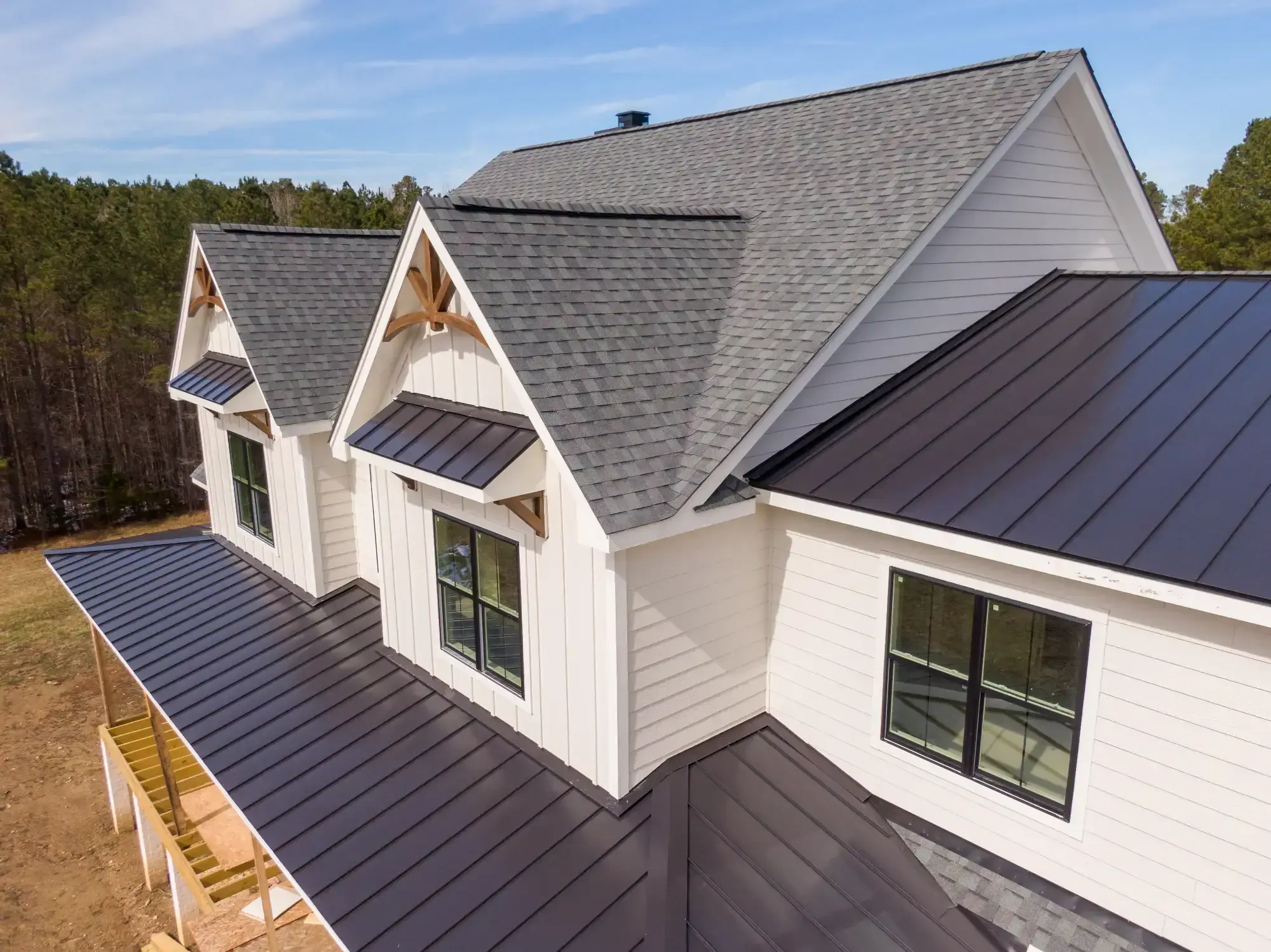
A modern farmhouse in NJ with white siding, black framed windows, and a mix of gray asphalt shingles and black metal roofing by a trusted Roofing Contractor Monmouth County, surrounded by trees under a blue sky.
Quality metal roofing lasts 50-70 years in coastal environments when properly installed with corrosion-resistant materials. Aluminum and galvanized steel with PVDF coatings resist salt air corrosion that destroys other roofing materials within decades.The key is using coastal-grade materials from the start. Standard painted steel will rust within 10-15 years near the ocean. Our aluminum and specially coated steel systems maintain their integrity and appearance for generations. We’ve installed metal roofs in Spring Lake that still look new after 30+ years of salt air exposure.
Aluminum and galvanized steel with PVDF coatings perform best in coastal environments. Aluminum naturally resists corrosion and won’t rust even with scratches or exposed edges. Galvanized steel offers superior strength with zinc coating that protects against salt air.PVDF paint systems provide the strongest bond available for coastal applications. This coating resists UV rays, salt spray, and color fading better than standard paint systems. Standing seam profiles work best because they eliminate exposed fasteners that can corrode over time. We recommend these systems for all properties within a mile of the ocean.
Metal roofing costs $11,000-$16,000 for average homes versus $8,000-$12,000 for asphalt shingles. However, metal roofing lasts 50+ years while asphalt requires replacement every 20 years in coastal environments.Over 50 years, you’ll replace asphalt shingles 2-3 times at $12,000+ each time, totaling $24,000-$36,000. Metal roofing pays for itself through longevity alone, before considering energy savings of up to 40% annually. For Spring Lake’s high-value properties, metal roofing protects your investment while reducing long-term costs significantly.
Properly installed metal roofing withstands winds up to 140 mph, far exceeding typical hurricane requirements. Standing seam systems interlock to create continuous weather barriers that prevent wind uplift and water infiltration.We use structural-grade fasteners spaced according to coastal wind load requirements. Every seam gets sealed with marine-grade materials that flex with thermal expansion. Our installations have survived every major storm to hit the Jersey Shore without failure. Metal roofing actually performs better in high winds than any other roofing material available.
Metal roofing reduces energy costs by 25-40% through superior heat reflection and insulation properties. Reflective coatings bounce solar energy away from your home instead of absorbing it like asphalt shingles.During Spring Lake’s humid summers, this translates to significantly lower air conditioning costs. Metal roofing also provides better insulation during winter months, reducing heating expenses. The combination of reflectivity and insulation typically saves $1,000-$2,000 annually on energy bills for average coastal homes. These savings continue for the 50+ year life of the roof.
Choose contractors with extensive coastal experience, proper licensing, and strong local references. Metal roofing requires specialized knowledge of coastal conditions, corrosion-resistant materials, and proper installation techniques that differ from inland applications.Verify they use coastal-grade materials like aluminum or galvanized steel with PVDF coatings. Ask about warranty coverage – quality contractors offer 20+ year workmanship warranties. Check their local presence and emergency response capabilities. Avoid contractors who can’t explain the differences between standard and coastal-grade materials or don’t understand salt air corrosion issues.