
Summary:
You’re staring at quotes that show metal roofing costs two or three times what you’d pay for asphalt shingles. The numbers feel steep, and you’re wondering if metal is actually worth it or just expensive hype.
Here’s what matters: the cheapest roof today isn’t always the smartest investment tomorrow. In Monmouth County, where salt air, nor’easters, and humid summers put roofs through the wringer, your material choice affects how often you’ll be writing checks for roof repairs or replacements over the next few decades.
This comparison gives you the facts about how metal shingles and traditional roofing actually perform—durability, maintenance, energy costs, and what you’ll spend over the life of your roof. No sales pitch, just the information you need to decide what makes sense for your home and budget.
Metal Shingles vs Traditional Roofing Material Comparison
The biggest difference between metal shingles and traditional asphalt shingles comes down to lifespan. A properly installed metal roof lasts 40 to 70 years depending on the material and maintenance. Traditional asphalt shingles typically need replacement every 15 to 30 years, meaning you’ll likely replace that roof two or three times during the same period one metal roof would last.
That lifespan gap changes the math on cost. Yes, metal costs more upfront—sometimes double or triple what you’d pay for quality architectural shingles. But when you factor in multiple shingle replacements, disposal fees, and the labor costs of tearing off and reinstalling a roof multiple times, the lifetime expense starts looking different.
Durability matters too, especially in Monmouth County. Metal roofs handle coastal weather better than traditional materials. They resist wind uplift during hurricanes and nor’easters, shed water and snow efficiently, and don’t deteriorate from salt air exposure the way shingles can. Traditional shingles absorb moisture, crack under temperature swings, and lose granules over time, which accelerates in harsh coastal conditions.
How Metal and Traditional Shingles Handle Coastal Weather
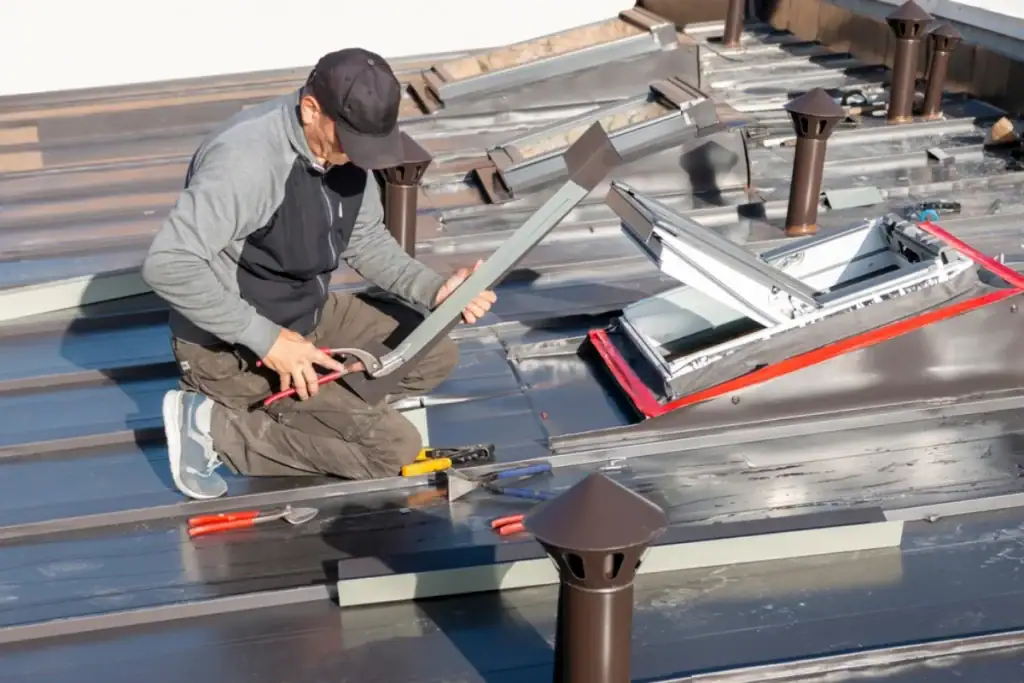
Monmouth County sits right in the path of coastal storms, and your roof takes the brunt of it. Metal roofing systems are engineered to withstand wind speeds exceeding 120 mph when properly installed, which covers most hurricane and nor’easter conditions you’ll see here. The interlocking panels or concealed fastener systems create a continuous barrier that resists wind uplift better than individual shingles nailed to decking.
Traditional asphalt shingles perform adequately in normal conditions, but coastal exposure accelerates their aging. Salt air doesn’t directly damage asphalt, but the constant moisture, humidity, and temperature fluctuations cause shingles to lose flexibility. They become brittle, crack along the edges, and start lifting during high winds. Once a few shingles blow off, water can penetrate the underlayment and cause leaks.
Metal’s resistance to impact also matters during hail storms. Steel roofing withstands hail better than most traditional materials, though softer metals like aluminum can dent under large hailstones. Most metal roofing carries a Class 4 impact rating, the highest available, which some insurance companies recognize with premium discounts.
The weight difference affects how your roof handles snow accumulation too. Metal roofing weighs significantly less than traditional shingles—about 50 to 75% lighter in many cases. This reduced weight puts less stress on your home’s structure, which matters for older Monmouth County homes built in the post-war boom. The smooth metal surface also allows snow to slide off more easily, reducing the load during heavy winter storms and minimizing ice dam formation.
Fire resistance gives metal another edge. Metal roofing is non-combustible and carries a Class A fire rating, the highest level of fire resistance available. Traditional asphalt shingles also typically carry Class A ratings when installed over proper underlayment, but the shingles themselves can burn. In areas near wooded regions or where wildfire risk exists, metal provides an extra layer of protection.
Maintenance Requirements Over Time
Metal roofs require less maintenance than traditional shingles, but they’re not maintenance-free. The type of metal roof system you choose affects how much attention it needs. Standing seam metal roofs with concealed fasteners need minimal maintenance—usually just annual inspections to check for debris accumulation and ensure flashings remain sealed. The hidden fasteners stay protected from weather exposure, which eliminates one of the main maintenance issues.
Exposed fastener systems, common with corrugated metal roofing, need more attention. Those fasteners go through the metal panels and seal with rubber washers. Over time, the washers can deteriorate from UV exposure and temperature cycling. You’ll want to inspect and potentially tighten or replace fasteners every 15 to 20 years to prevent leaks. It’s not complicated work, but it’s an expense to factor in.
Traditional asphalt shingles require ongoing maintenance throughout their lifespan. You’ll need to replace individual shingles that crack, curl, or blow off during storms. Granule loss accelerates as shingles age, reducing their effectiveness and creating an uneven appearance. Moss and algae growth are common in humid climates like ours, requiring periodic cleaning or treatment to prevent deterioration. Flashing around chimneys, vents, and valleys often fails before the shingles themselves, requiring repairs every 10 to 15 years.
The maintenance frequency adds up. With traditional shingles, you might spend a few hundred dollars every couple years on minor repairs, plus larger expenses for storm damage. Metal roofs typically go years between any maintenance needs, and when issues do arise, they’re often limited to resealing joints or replacing a damaged panel rather than widespread problems.
Cleaning requirements differ too. Metal roofs shed dirt and debris more easily thanks to their smooth surface. Rain usually handles most cleaning naturally. Traditional shingles have a textured surface that traps organic material, leading to staining and moss growth that requires more active cleaning to maintain appearance and function.
One consideration for metal: if you do need repairs, they can be trickier. Metal roofing requires specialized skills to work with properly. Not every roofing contractor has experience with metal installation and repair, so finding qualified help matters. Traditional shingles are more universal—most roofers can handle repairs easily, and replacement shingles are readily available at any supply house.
Corrugated Metal Roofing Benefits and Applications
Corrugated metal roofing features those distinctive wavy panels you’ve probably seen on barns and industrial buildings. That wave pattern isn’t just aesthetic—it adds structural strength to the panels, allowing them to span longer distances and resist bending under snow loads or impact. The corrugations create rigidity while keeping the material lightweight and cost-effective.
For residential applications, corrugated metal offers the most affordable entry point into metal roofing. It typically costs less than standing seam systems while still delivering many of the same benefits: longevity, weather resistance, and low maintenance. The exposed fastener design means installation is more straightforward, which can reduce labor costs compared to concealed fastener systems that require specialized crimping equipment.
The aesthetic is polarizing. Some homeowners love the bold, industrial look that adds character to modern farmhouse, contemporary, or rustic architectural styles. Others find it too utilitarian for traditional residential neighborhoods. If you’re in an area with HOA restrictions, check before committing to corrugated panels—some associations prohibit the exposed fastener look in favor of more traditional appearances.
Corrugated Panel Performance in Coastal Environments
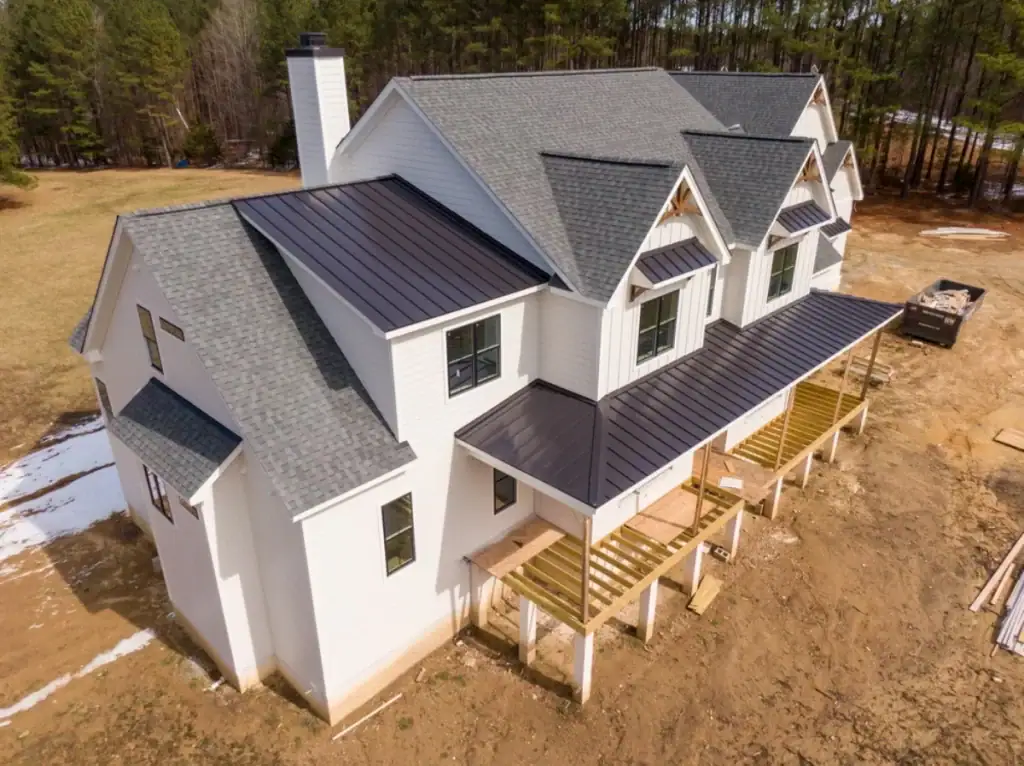
Corrugated metal roofing performs well in Monmouth County’s coastal climate when you choose the right material and coating. The corrugated design actually helps with water shedding—those ridges and valleys channel water off the roof quickly, reducing the chance of ponding or leaks. This matters during the heavy rainfall we get from nor’easters and summer thunderstorms.
The material you choose for corrugated panels makes a difference in coastal areas. Galvanized steel (steel coated with zinc) works fine for inland locations but can show rust at cut edges and fastener penetrations in salt air environments. Galvalume steel, which combines aluminum and zinc coating, offers better corrosion resistance and is a smarter choice if you’re within a few miles of the ocean. The aluminum-zinc coating creates a self-healing barrier that slows rust progression even if the surface gets scratched.
Aluminum corrugated panels are the premium choice for coastal applications. Aluminum doesn’t rust, period. The salt spray that would corrode steel has minimal effect on aluminum because it forms a protective oxide layer naturally. If you’re in Belmar, Long Branch, or other shore communities, aluminum corrugated roofing eliminates the corrosion concerns that plague other metals. The tradeoff is cost—aluminum typically runs 15 to 20% more than steel—and it’s softer, making it more susceptible to denting from hail or falling branches.
Fastener selection matters as much as the panel material. Standard fasteners can corrode quickly in salt air, creating rust stains and potential leak points. Quality installations use stainless steel or coated fasteners with EPDM or neoprene washers designed to withstand UV exposure and temperature cycling. Cheap fasteners are a false economy—they’ll fail years before the panels themselves need replacement.
Wind resistance with corrugated panels depends on proper installation. The fasteners penetrate through the high points of the corrugations into solid decking below, creating multiple attachment points across each panel. This distributed fastening pattern helps resist wind uplift. Properly installed corrugated metal roofing can handle the wind speeds we see during coastal storms, but installation technique matters. Panels need adequate overlap, fasteners must be driven to proper depth without over-tightening, and edge details require special attention in high-wind zones.
Energy efficiency is another benefit. Metal’s reflective properties work with corrugated panels just like any other metal roof. The air gap between the corrugations and the decking below creates a small thermal break that helps with insulation. Add reflective coatings, and you can reduce cooling costs by 10 to 25% compared to dark asphalt shingles that absorb heat. In Monmouth County’s humid summers, that translates to real savings on air conditioning bills.
Aluminum Metal Roofing vs Steel Roofing Material Comparison
The choice between aluminum metal roofing and steel roofing comes down to where you live, your budget, and what matters most for your situation. Both materials deliver the longevity and durability that make metal roofing attractive, but they have different strengths and weaknesses.
Steel roofing is the workhorse option. It’s stronger and harder than aluminum, which means better resistance to denting from hail or impacts. If you’re in an inland area of Monmouth County where hail is a concern but salt air isn’t an issue, steel makes sense. It costs less than aluminum—typically the most affordable metal roofing option available. Steel handles snow loads well and provides excellent structural performance in high winds when properly installed.
The corrosion factor is where steel needs help. Raw steel rusts quickly when exposed to moisture and oxygen, so it requires protective coatings. Galvanized steel gets a zinc coating that provides decent protection for many years. Galvalume steel uses an aluminum-zinc alloy coating that performs even better, especially in humid or moderately corrosive environments. With proper coatings, steel roofing lasts 40 to 60 years in most conditions. But in high-salt coastal zones within a mile of the ocean, even coated steel can show rust at cut edges and fastener penetrations over time.
Aluminum metal roofing is the coastal champion. It doesn’t rust—ever. Aluminum forms a natural oxide layer when exposed to air that protects the metal underneath from further corrosion. Salt spray, humidity, and moisture don’t cause the same deterioration you’d see with steel. If you’re in a shore community, aluminum eliminates the corrosion concerns that can shorten the life of steel roofing in coastal environments.
Weight is another aluminum advantage. Aluminum roofing weighs roughly one-third what steel weighs, making it the lightest roofing material available. This matters for older homes where roof framing might not support heavier materials, and it simplifies installation. The reduced weight also means less structural stress on your home over decades.
The downsides to aluminum are cost and softness. Aluminum typically costs 15 to 20% more than comparable steel roofing, and that premium adds up on a whole roof. It’s also a softer metal, which makes it more prone to denting. A hailstorm that would leave steel unmarked might dent aluminum panels. Falling branches can cause more visible damage. Some homeowners don’t mind small dents—they’re cosmetic and don’t affect performance—but others find them bothersome.
Thermal expansion is more pronounced with aluminum. It expands and contracts about twice as much as steel with temperature changes. Proper installation techniques account for this movement using floating clip systems that allow panels to move without warping or creating oil canning (visible waviness in flat areas). A contractor experienced with aluminum knows how to handle this, but it’s another reason why installer expertise matters with metal roofing.
Both materials come in various profiles—standing seam, metal shingles, corrugated panels—and a wide range of colors with high-performance PVDF coatings that resist fading. The coating quality affects longevity as much as the metal itself. Cheap paint finishes can fade or chalk within 10 years, while premium PVDF coatings maintain their appearance for decades.
For Monmouth County homeowners, the decision often comes down to proximity to the ocean. If you’re within a mile or two of salt water, aluminum’s corrosion resistance justifies the extra cost. Further inland where salt air isn’t a factor, steel roofing offers better value and performance. Either way, you’re getting a roof that will outlast traditional shingles by decades and require far less maintenance over its life.
Which Roofing Material Makes Sense for Your Monmouth County Home
The “best” roofing material depends on your specific situation—how long you plan to stay in your home, your budget for upfront costs versus long-term value, and what kind of weather exposure your property faces. Metal shingles and metal roofing systems offer clear advantages in longevity, durability, and reduced maintenance compared to traditional asphalt shingles. They handle Monmouth County’s coastal weather better and can lower your energy costs over time.
Traditional shingles still make sense for some homeowners, especially if you need the most affordable option today or don’t plan to stay in your home long enough to see the payback from metal’s longer lifespan. The key is making an informed choice based on accurate information, not guesswork or sales pressure.
If you’re weighing your options and want honest guidance based on 40+ years of installing both metal and traditional roofing in Monmouth County, we can walk you through what makes sense for your specific home. With owner-supervised work, same-day estimates, and a 30-year labor warranty, we stand behind our recommendations and craftsmanship for the long haul.