
Summary:
You’ve got a water stain on your ceiling. Maybe it’s small. Maybe it showed up after last week’s storm and you’re hoping it’ll just… stop. But here’s what most homeowners don’t realize: that stain isn’t where your roof is actually leaking. Water travels. It runs along rafters, soaks into insulation, and drips out wherever gravity takes it—sometimes 10 or 15 feet from the real problem. That’s why guessing doesn’t work. And that’s exactly why professional roof leak detection exists. It’s not about paying someone to look at your roof. It’s about paying someone who knows how to find what you can’t see, so you fix it once instead of three times.
How Professional Roof Leak Detection Actually Works
Professional leak detection isn’t just climbing up with a flashlight. It’s a process that starts inside your home and works backward to the source. We examine your ceilings, walls, and attic first, looking for patterns in the water damage. Stains, soft drywall, and moisture trails tell a story about where water is traveling.
Then we move outside. We’re not just looking at shingles. We’re checking flashing around chimneys and vents, inspecting valleys where two roof planes meet, and examining areas where water naturally pools. These are the spots where leaks most often start, but they’re also the hardest to diagnose without experience.
What separates professionals from DIY attempts is the equipment. Infrared cameras detect temperature differences that indicate trapped moisture you can’t see. Moisture meters measure dampness levels behind surfaces. These tools find problems that are completely invisible during a visual inspection, which is why homeowners who try to find leaks themselves often end up repairing the wrong spot.
Why Water Leakage in Roof Systems Is Hard to Trace
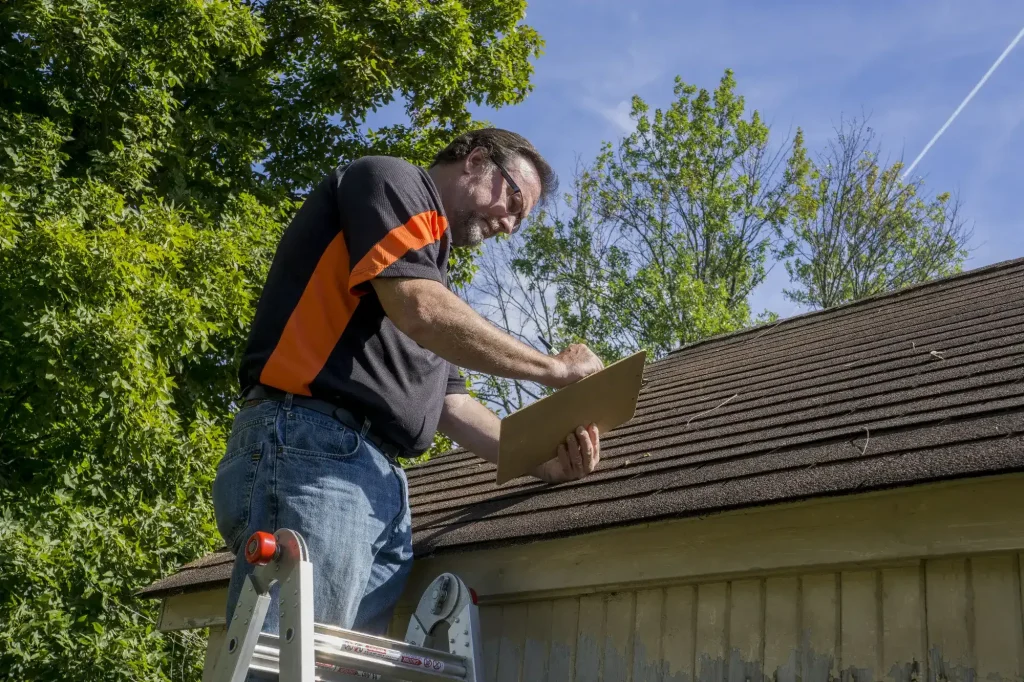
Water doesn’t fall straight down through your roof. It takes the path of least resistance, which means it can enter through a tiny crack near your chimney and travel along a rafter for several feet before dripping onto your insulation. By the time you see it on your ceiling, it’s already been moving through your home’s structure, soaking wood and creating conditions for mold.
This is why so many DIY leak repairs fail. You patch the area above the stain, the next rain comes, and water shows up again. You didn’t fix the leak—you fixed where the water happened to exit. The actual entry point is still wide open.
In Monmouth County, this problem gets worse during winter. Ice dams form along roof edges, forcing water under shingles in areas that normally stay dry. That water then travels horizontally under your roofing material before finding a way inside. Without understanding how water moves through roof systems, you’re essentially guessing. And every wrong guess means another repair bill.
We’ve seen thousands of leaks over our 40 years in business. We know the common patterns. We know that a stain near an interior wall often means flashing failure. We know that multiple small stains in a line suggest a problem with the roof valley. This pattern recognition, combined with detection equipment, is what makes professional diagnosis accurate. You’re not paying for someone to look at your roof. You’re paying for someone who knows exactly what they’re looking at and what it means.
What Roof Damage Looks Like Before You See It
Most homeowners call for help when they see water. But roof damage starts long before that drip hits your ceiling. It begins with a small separation in flashing, a cracked shingle, or a seal that’s dried out from sun exposure. Water gets in, but not much—just enough to dampen the wood decking underneath.
That dampness sits there. It doesn’t dry out completely between rainstorms. Over weeks or months, the wood starts to soften. The fasteners holding your shingles begin to rust. Your insulation absorbs moisture and loses its ability to regulate temperature, which means your heating and cooling costs go up without you understanding why.
By the time water breaks through to your interior, the damage is already significant. You’re not just dealing with a leak anymore—you’re dealing with rotted decking, compromised structural supports, and possibly mold growth that’s been spreading through your attic. This is the hidden cost of waiting. This is why early detection matters.
Professional leak detection catches problems at the dampness stage, before they become disasters. With the right equipment, we can identify moisture accumulation that won’t show visible signs for months. That early warning gives you the chance to make a small repair instead of a major restoration. In terms of cost, the difference is enormous. A $300 detection service and minor flashing repair beats a $5,000 structural restoration every single time.
The Real Cost of Professional Roof Leak Detection
Let’s talk numbers. Professional roof leak detection in Monmouth County typically runs between $150 and $300 for a standard residential inspection. That includes the visual inspection, attic assessment, and basic moisture detection. If the leak is particularly difficult to trace or requires advanced imaging technology, costs can go higher, but you’ll know that upfront.
Now compare that to the alternative. Water damage restoration starts around $1,000 for minor ceiling repairs and quickly climbs past $10,000 when you’re dealing with structural damage, mold remediation, and extensive interior repairs. Mold alone can cost $2,000 to $6,000 to properly remove. If water reaches your electrical system or damages your HVAC equipment, those costs multiply.
The math isn’t complicated. Spending a few hundred dollars to accurately identify a leak prevents spending thousands to fix the damage that leak causes. Professional detection is insurance against the bigger problem.
When Emergency Roof Leak Repair Becomes Necessary
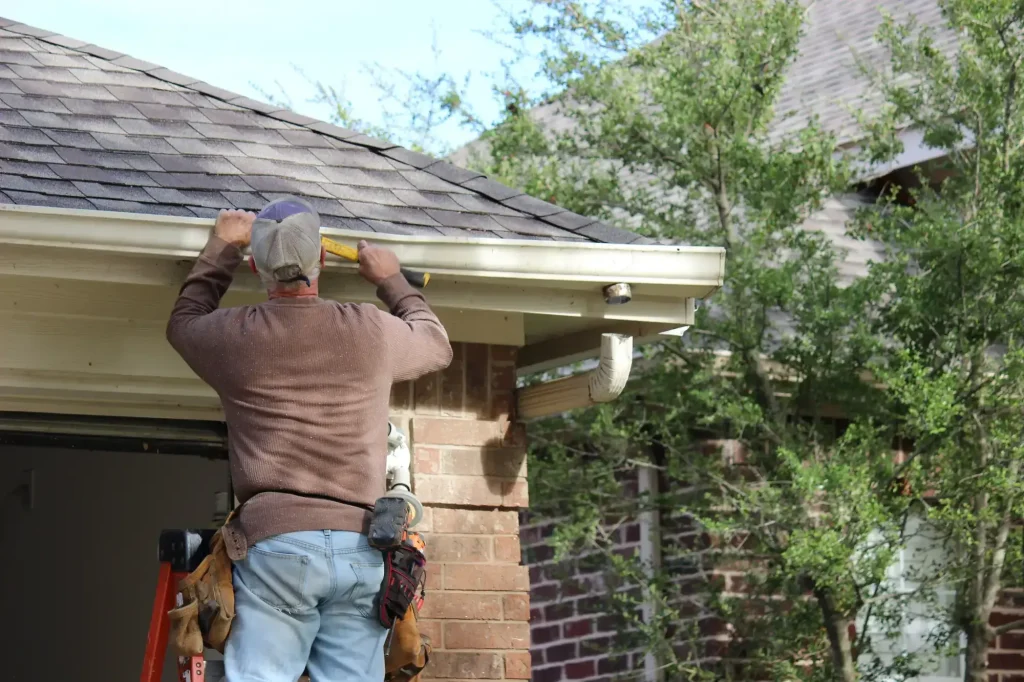
Some leaks don’t wait for convenient timing. A storm hits, water pours through your ceiling, and you need help immediately. This is when 24/7 emergency service makes the difference between contained damage and a disaster.
Emergency roof leak repair starts with stopping the water. We assess the immediate situation, contain the leak with temporary measures if needed, and prevent further intrusion while we identify the source. Once the crisis is stabilized, we perform the same thorough detection process to find the root cause.
The challenge with emergency situations is that visible water doesn’t always point to the real problem. Homeowners see water coming through a light fixture and assume the leak is directly above. But that water might be traveling from a compromised valley 20 feet away. Emergency repairs that don’t address the actual entry point are temporary at best. You’ll be calling again after the next storm.
This is why working with a contractor who offers both emergency response and thorough leak detection matters. We stop the immediate problem, then solve the underlying issue. You’re not just getting a patch job that buys you a few weeks. You’re getting a permanent solution that keeps your home dry going forward. For Monmouth County homeowners dealing with coastal weather and heavy seasonal rainfall, having access to contractors who understand both emergency response and proper diagnosis is essential. The storms don’t stop, and your roof needs to hold up through all of them.
How to Know If You Need Professional Detection Right Now
Not every roof issue requires immediate professional help, but certain signs mean you shouldn’t wait. Water stains that are growing or changing shape indicate an active leak that’s getting worse. Musty odors in your attic or upper floors suggest moisture has been present long enough for mold to start developing. Sagging ceiling sections mean water has saturated the drywall or plaster to the point where structural failure is possible.
If you notice any of these signs, schedule an inspection. Don’t wait for the next rain to see if it gets worse—it will. The longer water intrudes into your home’s structure, the more damage it causes and the more expensive repairs become.
Even without obvious symptoms, regular inspections make sense. Roof systems age, and problems develop gradually. A professional inspection every couple of years catches issues before they become leaks. This is especially important after major weather events. High winds can lift shingles without fully removing them, creating openings for water. Hail can crack sealant around flashing. These types of damage aren’t always visible from the ground, but they compromise your roof’s ability to keep water out.
For homeowners in Monmouth County, where weather puts constant stress on roofing systems, proactive detection is smart maintenance. You’re not paying to find problems—you’re paying to prevent them from becoming expensive emergencies. Think of it like changing your oil before your engine seizes. The service costs something, but it’s a fraction of what you’d spend if you waited for catastrophic failure. Your roof works the same way. Small problems caught early stay small. Problems ignored become structural issues that affect your entire home.
Making the Right Choice for Your Home
Professional roof leak detection isn’t an expense—it’s protection. It’s the difference between fixing a leak once and fixing it three times because you never found the real source. It’s the gap between a $300 inspection and a $10,000 restoration project. Most importantly, it’s peace of mind that the problem is actually solved.
When you’re dealing with a leak, you need answers that are accurate the first time. You need someone who understands how water moves through roof systems, who has the equipment to find moisture you can’t see, and who has the experience to know what they’re looking at. That’s what professional detection provides. For homeowners in Monmouth County facing coastal weather and seasonal challenges, working with experienced local contractors who know the area makes even more sense. If you’re seeing signs of a leak or just want to make sure your roof is holding up, reach out to us at A Russo Roofing & Siding. Over 40 years of local experience means we’ve seen it all—and we know exactly how to find it.