Summary:
How Insulated Composite Siding Cuts Energy Bills in New Jersey
Let’s talk numbers first. Homeowners who upgrade to insulated composite siding typically see energy savings of 10% to 20% annually. In Monmouth County, where the average electric bill hits $170.69 per month, that translates to real money back in your pocket.
The secret is in the foam backing. Unlike traditional siding that’s essentially just a decorative shell, insulated composite siding combines the durability of composite materials with a continuous layer of foam insulation. This creates a thermal barrier that reduces heat transfer through your exterior walls.
Think of it like wrapping your house in a high-performance jacket. In winter, the insulation keeps your heated air from escaping. In summer, it blocks external heat from penetrating your walls and making your air conditioner work overtime.
The Science Behind Superior Thermal Performance
Here’s where insulated composite siding really shines compared to standard options. The foam insulation layer—typically made from expanded polystyrene (EPS)—creates what engineers call a “continuous insulation” system.
Traditional siding leaves gaps at every stud and joint where heat can escape. It’s like having a sweater full of holes. But insulated composite siding covers these thermal bridges, creating an unbroken barrier around your home’s exterior.
The R-value improvement varies by product, but quality insulated siding can boost your wall’s thermal resistance by up to 19% compared to standard materials. That might not sound dramatic, but when you’re talking about hundreds of square feet of exterior wall surface, the cumulative effect is significant.
What makes this even more effective in New Jersey’s climate is how the insulation performs during temperature swings. When it’s 20 degrees outside and 70 inside—a 50-degree difference—that foam backing works constantly to maintain the temperature differential. Your heating system doesn’t have to work as hard, and you stay more comfortable with fewer hot and cold spots throughout your home.
The foam also provides structural benefits. It makes the siding panels more rigid and impact-resistant, which matters when you’re dealing with hail, wind-blown debris, or the occasional baseball from the neighbor’s yard.
Real Energy Savings: What Monmouth County Homeowners Experience
Let’s get specific about what energy savings look like in practice. A typical 2,000 square foot home in Monmouth County might see annual heating and cooling cost reductions of $200 to $500 after upgrading to insulated composite siding.
The savings show up in different ways throughout the year. During winter months, homeowners report their furnaces cycling less frequently and more consistent temperatures from room to room. Summer brings relief too—air conditioning systems don’t strain as hard during those humid July and August heat waves.
But the benefits extend beyond just the monthly utility bill. Many homeowners notice their HVAC systems last longer because they’re not working as hard. Fewer temperature fluctuations also mean less stress on ductwork and fewer maintenance issues over time.
The payback period varies depending on your current siding condition and energy usage, but most homeowners see the upgrade pay for itself within 7 to 12 years through energy savings alone. When you factor in increased home value and reduced maintenance costs, the financial benefits become even more compelling.
One thing to keep in mind: the quality of installation matters enormously for energy performance. Properly installed insulated siding with attention to air sealing and thermal bridging will deliver much better results than a rushed job. This is why working with experienced local contractors who understand New Jersey’s climate challenges makes such a difference.
Why New Jersey Weather Demands Weather-Resistant Siding
New Jersey doesn’t make it easy on your home’s exterior. You’re dealing with freezing winters, humid summers, coastal storms, and dramatic temperature swings that can stress any building material to its limits.
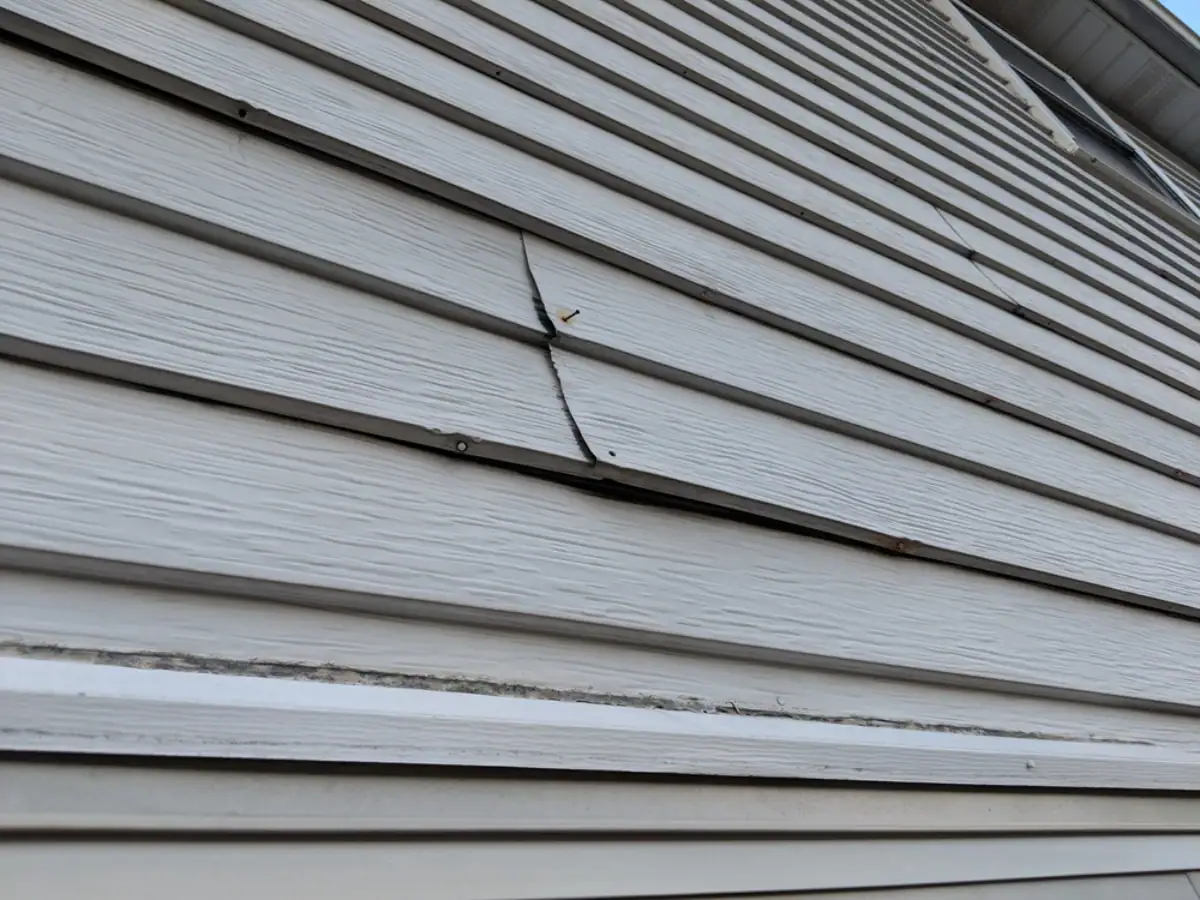
The biggest threat to traditional siding in our climate is the freeze-thaw cycle. When water gets into small cracks or porous materials and then freezes, it expands by nearly 10%. That expansion creates tremendous pressure that can crack, warp, or split siding materials over repeated cycles.
Insulated composite siding is specifically engineered to handle these conditions. The materials resist moisture penetration, and the foam backing provides additional structural support that helps prevent cracking and splitting during temperature extremes.
Freeze-Thaw Cycle Protection for Long-Term Durability
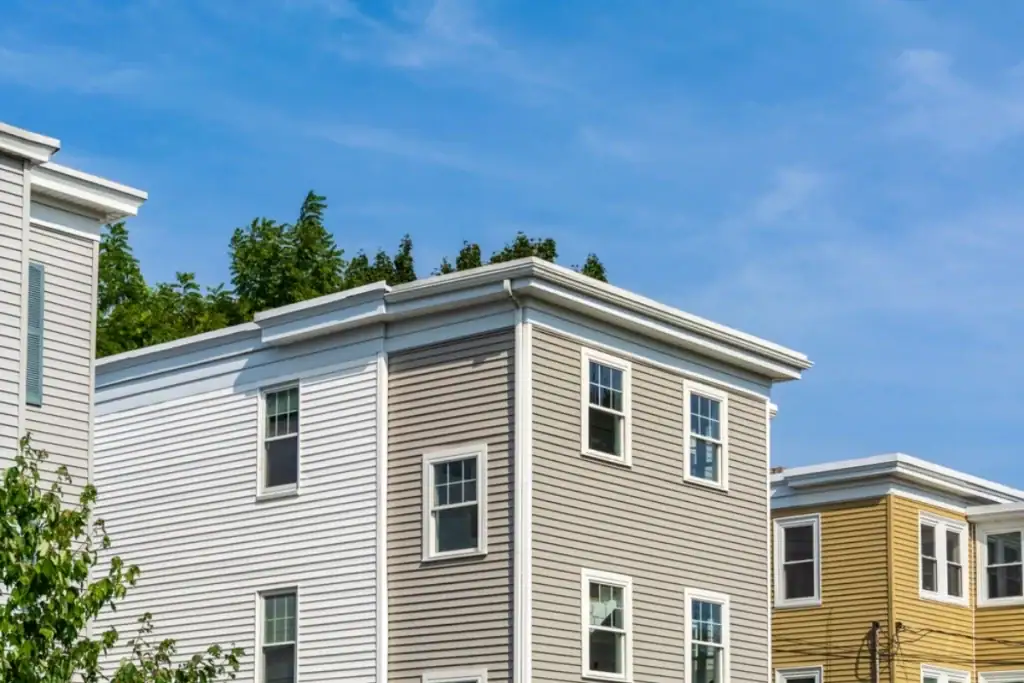
Understanding the freeze-thaw cycle helps explain why so many New Jersey homeowners end up with siding problems. Water finds its way into microscopic pores in siding materials—whether that’s through manufacturing imperfections, installation gaps, or just normal wear over time.
When temperatures drop below 32°F, that trapped water freezes and expands. The expansion creates pressure from the inside out, causing cracks that get bigger with each freeze-thaw cycle. Over several seasons, small hairline cracks become significant damage that compromises your home’s protection.
Insulated composite siding addresses this problem in multiple ways. First, the composite material itself is less porous than traditional wood or fiber cement, so there are fewer places for water to penetrate initially. Second, proper installation techniques include moisture barriers and sealing that keep water away from vulnerable areas.
The foam backing also provides structural reinforcement. Even if minor moisture does find its way behind the siding, the continuous insulation layer helps distribute any expansion forces across a larger area rather than concentrating stress at specific weak points.
This protection is particularly important in Monmouth County, where coastal humidity and temperature fluctuations create ideal conditions for freeze-thaw damage. Homes near the shore deal with additional challenges from salt air, which can accelerate corrosion and degradation of some siding materials.
Quality insulated composite siding products are tested specifically for freeze-thaw resistance. Some manufacturers test their products at temperatures as low as 14°F to ensure they maintain structural integrity and appearance even under severe conditions.
Moisture Management and Mold Prevention
New Jersey’s humid summers create another set of challenges that insulated composite siding helps address. High humidity levels, combined with temperature differences between your air-conditioned interior and the hot exterior, can create condensation problems behind traditional siding.
When moisture gets trapped behind siding, it creates perfect conditions for mold, mildew, and wood rot. This is especially problematic with wood siding or in homes where the original installation didn’t include proper moisture barriers.
Insulated composite siding systems typically include advanced moisture management features. The foam backing is designed to allow water vapor to pass through while blocking liquid water. This prevents moisture from accumulating behind the siding while still allowing your walls to “breathe.”
Proper siding installation also includes housewrap or other moisture barriers that create multiple layers of protection. The goal is to keep bulk water out while managing any vapor that does get through the system.
The composite material itself resists rot, mold, and insect damage much better than traditional wood siding. You don’t have to worry about carpenter ants, termites, or other pests that can cause expensive damage to natural wood products.
This moisture resistance also means less maintenance over the long term. You’re not dealing with regular painting, staining, or sealing that wood siding requires. The color and finish are integrated into the material itself, so they hold up better against UV exposure and weather.
For homeowners in areas like Ocean and Monmouth counties, where salt air can accelerate corrosion and degradation, these moisture-resistant properties provide crucial long-term protection for your investment.
Making the Smart Choice for Your Monmouth County Home
Insulated composite siding isn’t just about improving your home’s appearance—it’s about creating a more comfortable, efficient, and durable living environment that can handle whatever New Jersey weather throws at it.
The energy savings alone make it a smart financial decision, but when you add in the reduced maintenance, better weather protection, and increased home value, the benefits become even more compelling. You’re making an investment that pays dividends for decades.
The key is working with experienced contractors who understand both the product and local installation requirements. Proper installation makes the difference between siding that performs as designed and siding that underdelivers on its promises. When you’re ready to upgrade your home’s exterior protection and energy efficiency, we bring over 40 years of Monmouth County experience to ensure your project is done right the first time.