
Roof Installation in East Freehold, NJ
New Roofs Built to Last Decades
Professional roof installation that stands up to New Jersey’s toughest weather, from hurricane winds to heavy snow loads.
Hear from Our Customers
Professional Roof Installation Services
Your Home Protected for Years Ahead
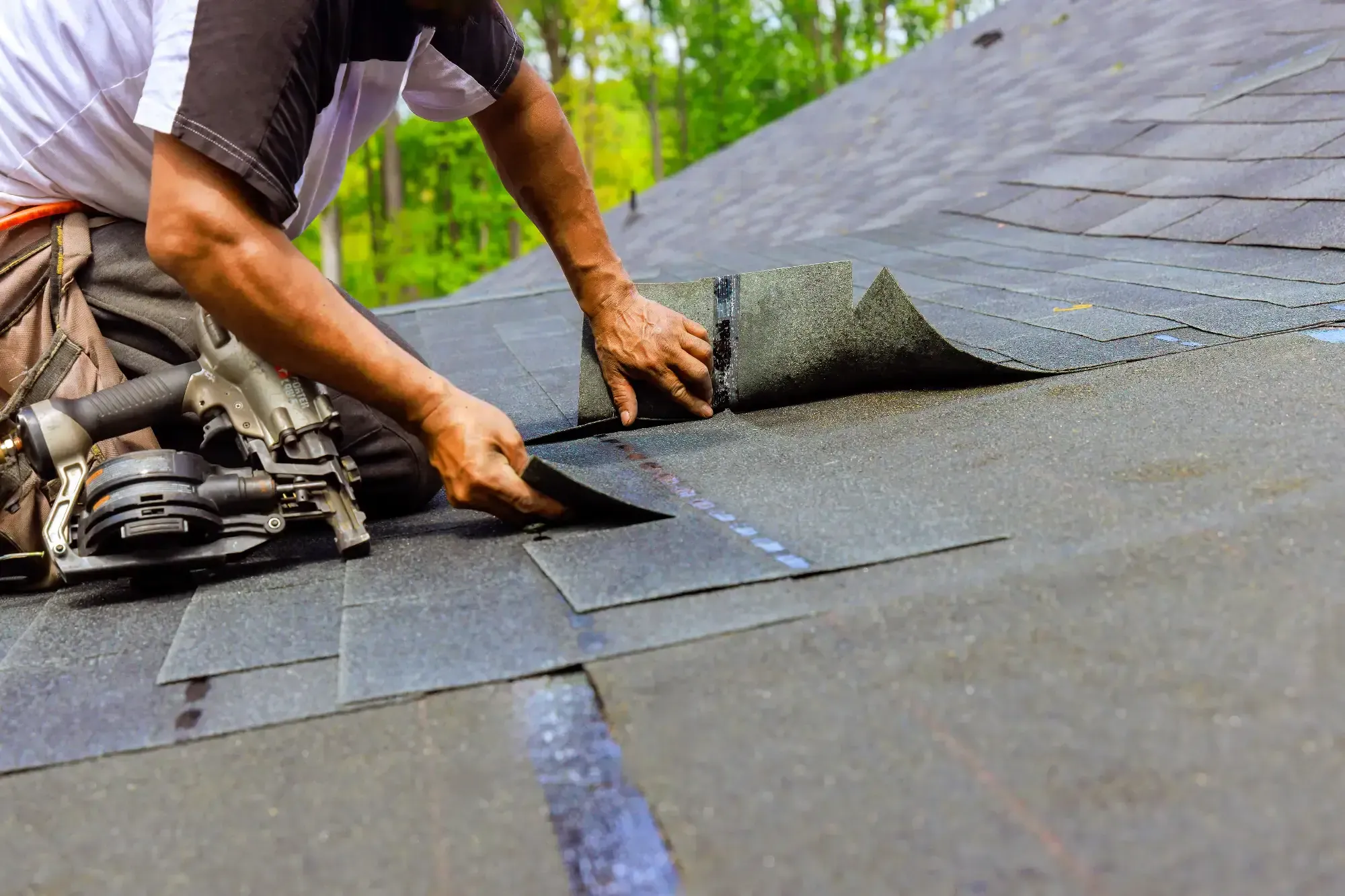
You get a roof that actually works when storms hit. No more lying awake during heavy rain wondering if water’s getting in. No more emergency calls to roofers when the next nor’easter rolls through. That’s what proper roof installation does. It takes the worry off your shoulders and puts solid protection over your head. When we install your new roof, you’re not just getting shingles and underlayment—you’re getting peace of mind that lasts decades. Your home stays dry, your family stays safe, and your biggest investment stays protected. The kind of protection that handles everything New Jersey weather throws at it, from summer heat waves to winter ice storms.
East Freehold Roofing Contractors
Local Roofers Who Know This Area
We’ve been installing roofs in East Freehold and surrounding areas for years. We know what works here because we’ve seen what fails. We understand how coastal storms affect roofs differently than inland weather. We know which materials handle the humidity and temperature swings that come with living in central New Jersey. Most importantly, we know how to install roofs that last. When you work with us, you’re working with contractors who live and work in this area. We’re here when you need us, and we stand behind every roof we install.
New Roof Installation Process
How Your New Roof Gets Installed
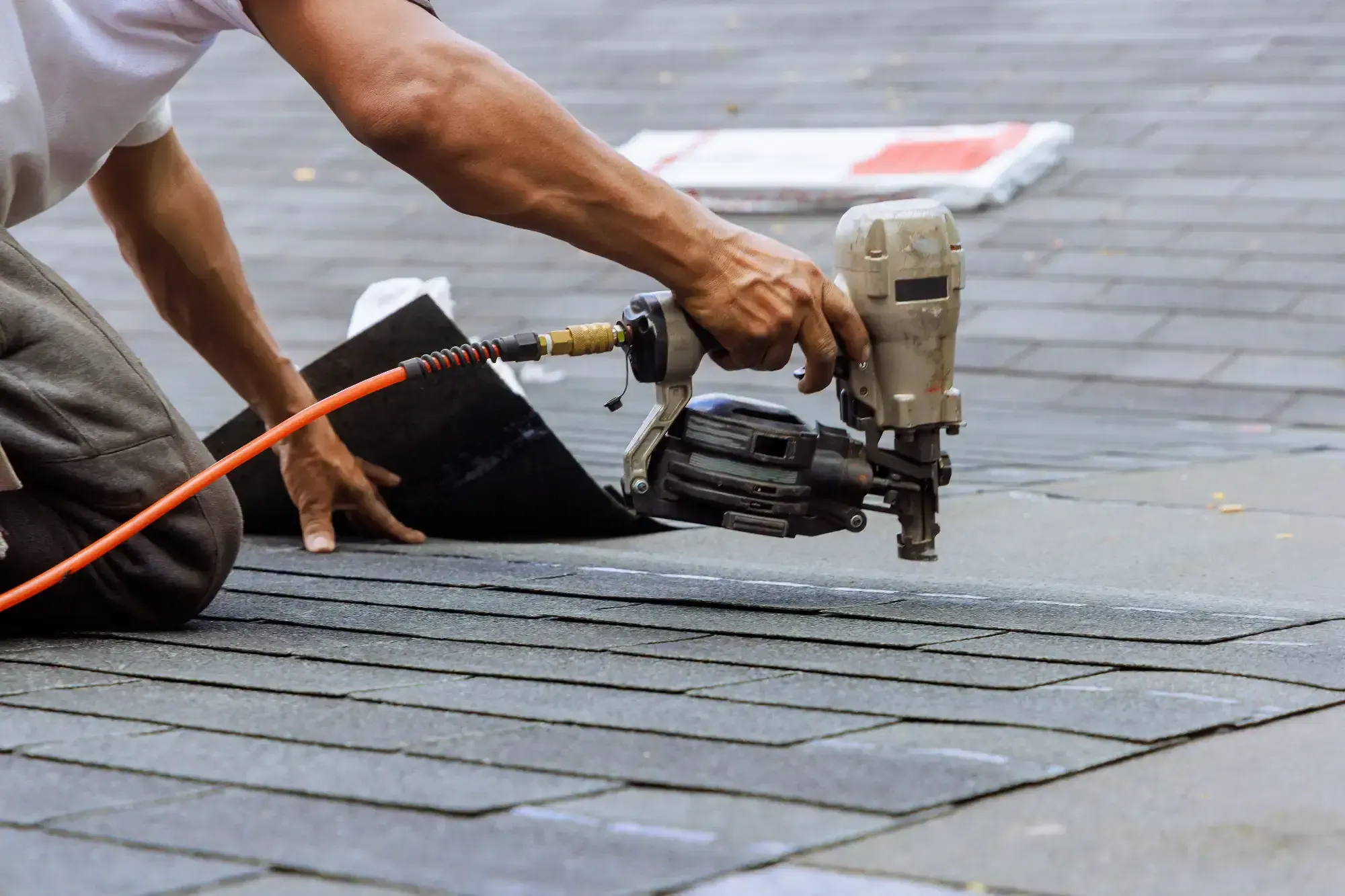
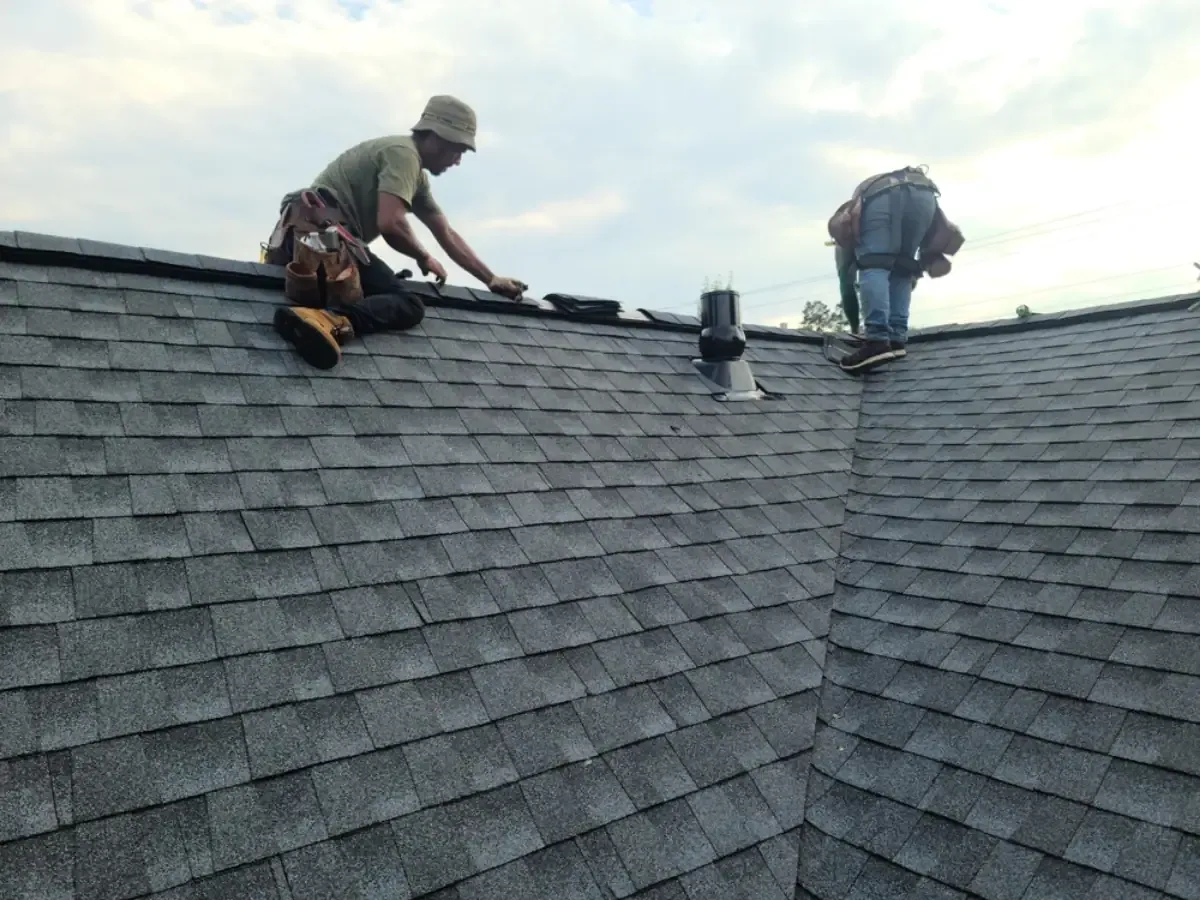
First, we inspect your existing roof and measure everything precisely. We explain what needs to be done and give you a detailed estimate with no surprises. On installation day, we protect your property and remove the old roofing materials carefully. We inspect and repair the roof deck as needed, then install proper underlayment for water protection. Next comes the new roofing material, installed according to manufacturer specifications and local building codes. We pay attention to flashing around chimneys, vents, and edges—the spots where most leaks start. Finally, we clean up completely and walk through the finished job with you.
Ready to get started?
Roof Installation East Freehold NJ
What's Included in Your Installation
Your roof installation includes complete removal of old materials, deck inspection and repairs, quality underlayment, and professional installation of your chosen roofing material. We handle all permits and ensure everything meets New Jersey building codes. In East Freehold, we see a lot of storm damage from coastal weather systems. That’s why we focus on proper installation techniques that can handle high winds and heavy rain. We use materials rated for this area’s weather conditions and install them with the extra fasteners and sealing that New Jersey’s climate demands. You also get proper ventilation installation, which is crucial in this humid climate. Without it, you’ll have moisture problems that can destroy your roof from the inside out. We make sure your new roof breathes properly and protects your home year-round.
How much does roof installation cost in East Freehold, NJ?
Roof installation costs in East Freehold typically range from $8,500 to $20,000, depending on your roof size, material choice, and complexity. A standard 1,700 square foot home with architectural shingles averages around $13,500. The final cost depends on several factors: your roof’s size and shape, the materials you choose, and any additional features like skylights or chimneys. More complex roofs with steep pitches or multiple angles require more labor and materials. We provide detailed estimates that break down all costs so you know exactly what you’re paying for. No hidden fees or surprise charges—just honest pricing based on the actual work needed.
What roofing materials work best in New Jersey's climate?
Asphalt shingles are the most popular choice in New Jersey because they handle our weather extremes well while staying affordable. Architectural shingles offer better wind resistance and longer life than basic three-tab shingles. Metal roofing is gaining popularity for its durability and ability to shed snow and ice. It handles temperature swings better than most materials and can last 30-50 years with minimal maintenance. For premium options, slate and tile roofs offer exceptional longevity and weather resistance, though they require a higher upfront investment. The key is choosing materials rated for New Jersey’s wind speeds and temperature ranges, which we help you evaluate based on your specific needs and budget.
How long does roof installation take in East Freehold?
Most residential roof installations take 1-3 days, depending on size and complexity. A typical single-family home usually takes 2 days—one day for tear-off and prep, another for installation and cleanup. Weather can affect timing, especially during New Jersey’s unpredictable spring and fall seasons. We schedule installations during favorable weather windows and have backup plans for unexpected changes. Complex roofs with multiple levels, steep pitches, or architectural features may take longer. We give you a realistic timeline upfront and keep you updated throughout the process. Our goal is to complete your roof quickly without cutting corners on quality.
Do I need permits for roof installation in East Freehold?
Yes, roof installation in East Freehold requires permits to ensure the work meets New Jersey building codes. We handle all permit applications and inspections as part of our service. The permit process ensures your new roof meets structural requirements, wind resistance standards, and proper ventilation codes. This protects you and ensures your roof will perform as expected in our local weather conditions. Having proper permits also protects your home’s value and ensures you won’t have issues when selling. Insurance companies may also require permitted work for coverage. We make sure everything is done by the book so you have no worries down the road.
What's the best time of year for roof installation in New Jersey?
Late spring through early fall offers the best weather conditions for roof installation in New Jersey. May through September typically provides the most predictable weather with fewer rain delays. Fall is especially good because temperatures are moderate and you’re preparing for winter weather. However, this is also peak season, so scheduling fills up quickly. Spring can work well, but weather can be unpredictable. We can install roofs year-round when necessary, especially for emergency situations. Winter installations are possible but require special precautions and may take longer due to shorter daylight hours and weather delays. If you’re planning ahead, booking during off-peak times can sometimes save money.
How do I know if I need full roof replacement or just repairs?
If your roof is over 20 years old, has multiple leaks, or shows widespread damage like curling shingles or missing granules, replacement is usually the better choice. Repairs make sense for newer roofs with isolated damage. Signs you need replacement include: daylight visible through the roof, sagging areas, extensive moss or algae growth, and granules collecting in gutters. If you’re calling for repairs frequently, replacement becomes more cost-effective. We provide honest assessments during our inspections. Sometimes a roof that looks bad from the ground just needs targeted repairs. Other times, what seems like a small problem indicates larger issues that require replacement. We’ll show you exactly what we find and explain your options clearly.