
Summary:
You noticed a stain on the ceiling. Or a shingle in the yard. Or maybe nothing visible at all — just a nagging feeling after a rough winter that something isn’t right up there. Whatever brought you here, you’re asking a smart question before most homeowners do.
The problem is that “get a roof inspection” isn’t one thing. There are two distinct types, they serve different purposes, and mixing them up — or skipping the right one — can cost you thousands. Here’s what you need to know before you pick up the phone.
What a Roof Leak Inspection Actually Covers
A roof leak inspection is exactly what it sounds like — a focused investigation to find where water is getting in. Maybe you’ve got a stain spreading across your bedroom ceiling. Maybe the attic smells musty after rain. Our goal during this inspection is to trace the source, because where water shows up inside your home is almost never where it’s entering from outside.
A thorough leak inspection covers the roof surface, the flashing around chimneys and vents, the gutters, and critically, the attic interior. That last part matters more than most people realize. A lot of leaks don’t start with a cracked shingle — they start with failed flashing, poor ventilation, or condensation building up in an under-insulated attic space.
Why Your Ceiling Stain Might Not Be a Roof Problem at All

Here’s something that surprises a lot of homeowners: a stain on your ceiling doesn’t automatically mean your roof is leaking. Water travels. It follows the path of least resistance across rafters, along pipes, and through insulation before it ever drips onto drywall. By the time you see it, the actual entry point could be several feet away — or it might not be the roof at all.
HVAC condensation lines, plumbing runs, and bathroom exhaust fans that vent into the attic instead of outside are all common culprits that get misdiagnosed as roof leaks. A proper inspection rules those out before any roofing work gets recommended. That’s not a small thing — it’s the difference between a $300 plumbing fix and an unnecessary roofing repair.
This is also why it matters who’s doing the inspection. A contractor who only looks at the roof surface from the outside isn’t giving you a complete picture. The attic tells the real story — water stains on the sheathing, damp insulation, mold beginning to form along the rafters. These are the signs that show up long before a ceiling stain ever does, and they’re only visible if someone actually gets up there and looks.
For homeowners in Monmouth County — especially in communities like Colts Neck, Marlboro, or Shrewsbury — this matters even more in winter. Ice dams are a real and recurring problem here. When heat escapes through your roof, it melts snow that then refreezes at the eaves, forcing water back under your shingles. That water can saturate insulation and cause significant structural moisture damage for weeks before a single drop reaches your ceiling. You wouldn’t know it was happening unless someone checked.
How Long Can Roof Damage Go Undetected?
Longer than you’d think. Damage can exist for months or even years without any visible sign inside the home. That’s not a scare tactic — it’s just how roofing systems work. They’re designed to manage water, and they do a decent job of it even when they’re compromised, right up until they can’t anymore.
The problem is that slow, hidden moisture infiltration is doing damage the entire time it goes undetected. Wood decking softens and rots. Insulation loses its R-value when it gets wet. Mold gets established in the attic before anyone notices a smell. By the time a stain appears on your ceiling, you’re not catching a problem early — you’re catching it late.
We recommend professional roof inspections at least twice a year for this exact reason. Spring and fall make the most sense — spring to assess what winter did, fall to make sure you’re heading into the cold months with a roof that’s ready for them.
The cost of a proactive inspection is minimal compared to what reactive repairs look like. The average homeowners insurance claim for water damage runs over $15,000. Catching a failed flashing seal or a cracked shingle before it becomes a saturated attic and a ruined ceiling is not a luxury — it’s basic maintenance math.
Roof Damage Inspection for Insurance Claims: A Different Process Entirely
A storm damage inspection isn’t the same as a routine roof leak inspection, and treating it like one can get your insurance claim denied. When a named weather event — a nor’easter, a tropical storm remnant, a severe thunderstorm — damages your roof, your insurer needs specific documentation to process the claim. Photos, written damage descriptions, and a clear assessment connecting the damage to the storm event.
Without that documentation, insurers can and do classify damage as “pre-existing” or “maintenance-related” — neither of which is covered under a standard homeowners policy. Getting the right inspection, done by someone who understands the documentation requirements, is what separates a paid claim from a denied one.
What Does Homeowners Insurance Actually Cover for Roof Damage in NJ?
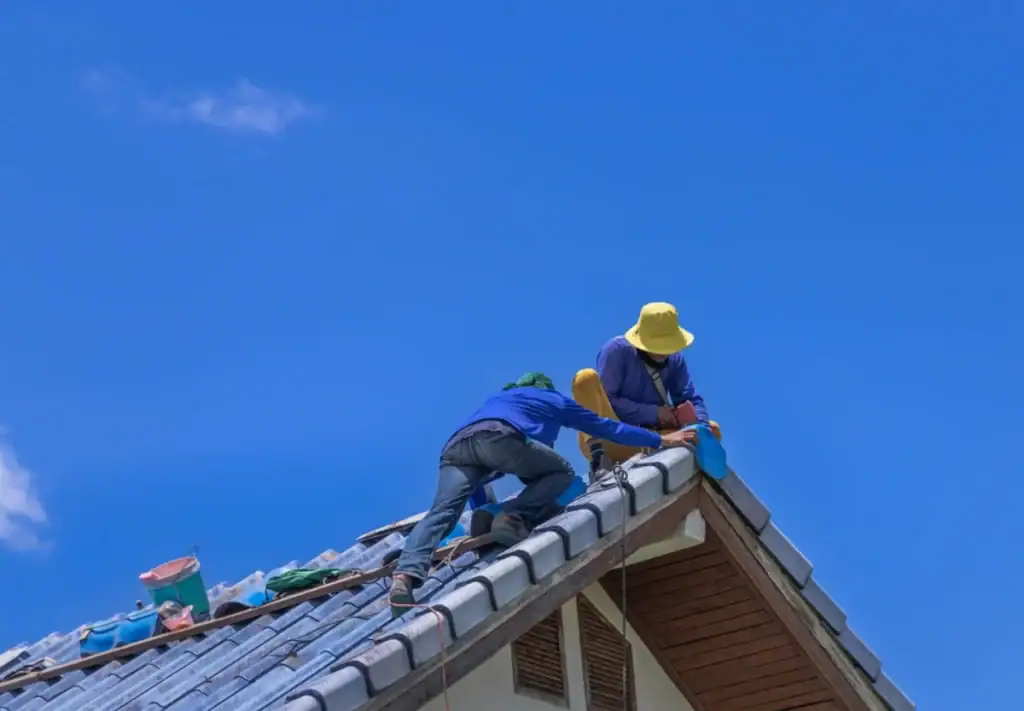
Standard HO-3 policies — the most common homeowners insurance policy in New Jersey — cover sudden, accidental damage from named perils. That includes wind, hail, falling trees, and storm-driven rain. What they don’t cover is wear and tear, aging materials, or damage that resulted from deferred maintenance. That distinction is where most claim disputes happen.
If your roof is 15 years old and a nor’easter tears off shingles that were already starting to curl, your insurer may argue that the underlying deterioration was a maintenance issue — not storm damage. A professional inspection report that documents the storm-specific damage, separate from any pre-existing wear, gives you the evidence to push back on that argument.
This is also why timing matters. Most policies require prompt notification after a covered loss. Waiting weeks to schedule an inspection, or waiting until the next rainstorm causes interior damage, can complicate your claim. If you think you’ve had storm damage — even if you can’t see anything obvious from the ground — getting a documented inspection done quickly protects your ability to file.
After Tropical Storm Ida rolled through New Jersey in 2021, homeowners across Monmouth and Bergen counties found out the hard way how fast a roof issue becomes an interior crisis. Whole neighborhoods had shingles scattered across lawns, but the less visible damage — torn flashing, lifted ridge caps, compromised valley seals — was what caused the real problems weeks later when the next rain came through. The homeowners who had documented inspections done right away had a much easier time with their claims than those who waited.
How to Spot Storm Chaser Contractors in Monmouth and Bergen County
After any significant storm in New Jersey, they show up. Trucks you’ve never seen before, door-to-door knocks, urgent warnings about your roof, and offers to handle everything — including your insurance claim — for a deposit paid upfront. Storm chasers are out-of-state contractors who follow severe weather events, and they are one of the most documented roofing scams in the state.
The work they do, when they do it at all, is often substandard. And once they’ve collected payment, many of them are unreachable. No local address, no established reputation, no accountability. They’re gone before the next nor’easter, and you’re left with a roof that may have been made worse, not better.
New Jersey requires all home improvement contractors to register with the NJ Division of Consumer Affairs as a Home Improvement Contractor — a publicly searchable registration that any legitimate local contractor will have and be happy to provide. If someone knocks on your door after a storm and can’t give you a valid NJ HIC registration number on the spot, that’s your answer. Don’t sign anything.
There’s also a specific legal line that some storm chasers cross: offering to “handle your insurance claim” for you. Only licensed public adjusters can legally negotiate insurance claims on behalf of homeowners in New Jersey. A contractor who offers to do this may be setting you up for an insurance fraud situation that you’d be liable for. The right contractor documents the damage, gives you a written report, and lets you work with your insurer directly — or refers you to a licensed public adjuster if you need one.
If a contractor can’t explain clearly what they found, why it’s causing the problem, and what the repair will actually involve, that’s a red flag. A detailed, written estimate isn’t a formality — it’s the minimum standard for any legitimate roofing work in this state.
Choosing the Right Roof Inspection in NJ: What to Do Next
Whether you’re tracking down an active leak, assessing winter damage before it gets worse, or preparing documentation for an insurance claim, the type of inspection you get matters — and so does who performs it. These are not interchangeable decisions.
A good inspection covers the full picture: the roof surface, the flashing, the gutters, and the attic interior. It produces written documentation with photos. And it’s done by someone with enough local experience to know where NJ roofs fail — because nor’easters, ice dams, and salt air off the Jersey Shore create very specific failure patterns that an out-of-state contractor simply won’t recognize.
If you’re in Monmouth or Bergen County and you’re not sure what you’re dealing with, we offer same-day estimates, 24/7 emergency response, and owner-supervised inspections backed by over 40 years of experience in this exact market. The first step is just making the call before a manageable problem becomes an expensive one.