Summary:
Why Coastal Monmouth County Destroys Traditional Roofing
Living near the coast means your roof faces challenges most inland homes never see. Salt-laden air travels miles inland from the Atlantic, creating a corrosive environment that accelerates material breakdown. That’s why asphalt shingles that might last 25-30 years elsewhere often need replacement in 15-20 years here.
The salt acts like sandpaper on a microscopic level. It attracts moisture, keeping your roof damp longer after rain. This constant exposure breaks down the protective granules on shingles, exposing the asphalt underneath to UV damage and further deterioration.
Add in the nor’easters that slam the coast with wind-driven rain, the summer heat that cooks roofing materials, and the freeze-thaw cycles that crack and split weakened areas. Your roof takes a beating that compounds over time, turning minor issues into major problems faster than most homeowners expect.
What Salt Air Actually Does to Your Roof

Salt doesn’t just sit on your roof’s surface. It’s hygroscopic, meaning it pulls moisture from the air and holds it against your roofing materials. This creates a perpetually damp environment that encourages the growth of algae and moss—those black streaks you see on older roofs aren’t just cosmetic issues.
On asphalt shingles, salt accelerates granule loss. Those tiny stones embedded in the shingle surface are basically the shingle’s sunscreen. Once they wash away into your gutters, the underlying asphalt is exposed and fails rapidly. If you’re seeing what looks like dark sand in your downspouts, your roof is effectively balding.
Metal components face different challenges. Standard steel flashing around chimneys, vents, and skylights corrodes quickly when exposed to salt spray. Rust compromises the water barrier and makes the underlying structure vulnerable. This is why material selection matters so much in coastal applications—not all metals handle salt air equally.
The closer you live to the ocean, the more aggressive this process becomes. Homes within 1500 feet of saltwater face the most severe exposure. Even several miles inland, salt aerosols carried by wind create conditions that traditional roofing materials weren’t designed to handle. The manufacturers know this—many won’t even warranty steel roofing within that 1500-foot zone.
Understanding this helps explain why metal roofing has become so popular in Monmouth County, NJ. It’s not just about following trends. Homeowners are making practical decisions based on what actually survives here. When you’re replacing a roof every 15 years because salt air destroyed it, spending more upfront for a 50-year solution starts making financial sense.
How Coastal Storms Test Every Weak Point
Nor’easters don’t just bring wind and rain. They bring wind-driven rain that finds every vulnerability in your roofing system. The combination of sustained winds and horizontal precipitation tests seams, flashing, and fasteners in ways normal weather never does.
Asphalt shingles rely on adhesive strips to stay in place. Coastal storms can lift shingles at the edges, breaking that seal. Once one shingle lifts, the ones around it become vulnerable. This is why you see scattered shingle damage after storms—it’s not random, it’s a cascading failure that starts at weak points.
The real problem is what happens between storms. That lifted shingle lets water underneath. The water sits against the underlayment and roof deck. Over months, this causes rot and structural damage you can’t see from the ground. By the time you notice interior leaks, the damage often extends beyond the visible problem area.
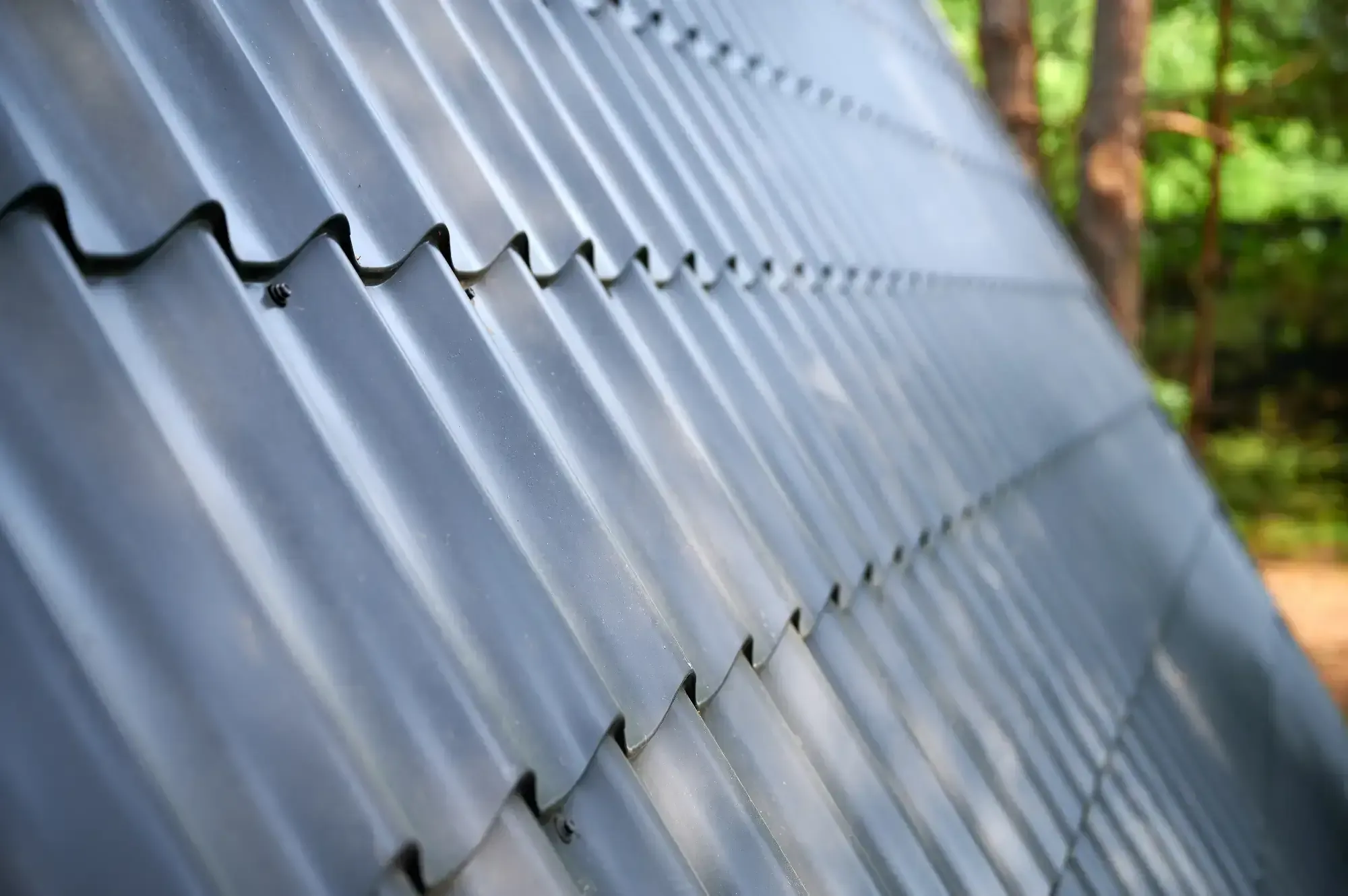
Metal roofing handles this differently. Standing seam metal roofing uses interlocking panels with concealed fasteners. There are no exposed screws with rubber washers that deteriorate over time. The panels overlap and lock together on all four sides, leaving minimal area for wind to penetrate underneath and cause uplift.
Wind resistance ratings tell the story. Quality metal roofing systems are engineered and tested to resist wind speeds of 130-160+ mph. That exceeds the demands of a Category 3 hurricane. Asphalt shingles? Standard three-tab shingles are typically rated for 60-80 mph. Even architectural shingles usually top out around 130 mph, and that’s when they’re new and properly installed.
The concealed fastener design also matters for water infiltration. With exposed fastener systems—common on cheaper metal roofs—you have thousands of holes in the metal, each protected by a rubber grommet. Those grommets degrade in sun and salt. The screws can back out as metal expands and contracts. Eventually, each one becomes a potential leak point.
Standing seam systems avoid this entirely. The fasteners attach to clips underneath the panels. This means we can properly seal all the flashing details around chimneys, vents, and roof penetrations. You get a watertight system that keeps wind-driven rain out, even during the worst storms Monmouth County throws at you.
Metal Roof vs Shingles NJ: What the Numbers Actually Show
The cost conversation around metal roofing usually starts with sticker shock. Standing seam metal roofing in New Jersey runs $10-16 per square foot installed, while asphalt shingles cost $3-5 per square foot. For a typical 2,000 square foot roof, you’re looking at $20,000-32,000 for metal versus $6,000-10,000 for shingles.
But that initial cost comparison misses the bigger picture. Asphalt shingles in coastal Monmouth County last 15-20 years. Metal roofs last 40-70 years. Over a 50-year period, you’ll replace that asphalt roof three times, spending $18,000-30,000 total, plus dealing with three rounds of installation hassle. The metal roof? You install it once.
Then there’s maintenance. Asphalt shingles require regular attention—replacing damaged shingles after storms, addressing flashing failures, treating algae growth, and dealing with the inevitable leaks. Metal roofs need occasional inspections. That’s it. No regular maintenance, no constant repairs, no emergency calls to contractors after every major storm.
Energy Savings That Actually Add Up

Your roof does more than keep rain out. It controls how much heat enters your home. Asphalt shingles absorb solar radiation and transfer that heat into your attic. On a summer day, shingle surface temperatures can exceed 160°F. All that heat radiates into your home, forcing your air conditioner to work harder.
Metal roofing reflects solar heat instead of absorbing it. The reflective properties of metal surfaces bounce solar radiation away before it converts to heat. Studies show homes with metal roofs can save 10-25% on cooling costs. In New Jersey’s humid summers, that translates to real money—potentially $200-500 annually depending on your home’s size and insulation.
The effect is even more pronounced with light-colored or specially coated metal roofing. Cool roof coatings use pigments that reflect more UV rays while emitting absorbed heat quickly. This keeps the roof surface significantly cooler than traditional materials. Some homeowners report their attics staying 30-40 degrees cooler with metal roofing compared to their old shingles.
Winter benefits matter too. Metal roofing with proper underlayment and insulation helps maintain consistent indoor temperatures. The smooth surface sheds snow naturally, preventing dangerous ice dam formation that plagues many shingle roofs. Less snow weight means less structural stress, and faster snow removal means less opportunity for freeze-thaw damage.
Insurance companies have noticed these performance differences. Many offer premium discounts for metal roofing because it resists fire, wind, and impact damage better than other materials. The discounts vary by carrier and location, but 10-20% reductions aren’t uncommon. Over the life of your roof, that adds thousands more to your savings.
Property value increases provide another financial benefit. Real estate data shows metal roofing can boost home value by up to 6%. Buyers appreciate low-maintenance, durable features, especially in coastal areas where they understand roofing challenges. When you sell, that metal roof becomes a selling point rather than a potential concern.
Choosing the Right Metal for Coastal Conditions
Not all metal roofing performs equally near saltwater. Material selection matters as much as installation quality. The wrong metal will corrode just like cheap steel flashing, wasting your investment and creating problems you installed metal roofing to avoid.
Aluminum stands out as the top choice for homes within 1500 feet of the ocean. It’s naturally corrosion-resistant and won’t rust even with direct salt spray exposure. Aluminum roofing is lightweight, highly reflective, and fire-resistant. The main consideration is that it’s softer than steel, making it more susceptible to denting from hail or falling branches. However, in coastal Monmouth County where salt air is the primary concern, aluminum’s corrosion resistance outweighs this drawback.
Galvalume—steel coated with aluminum and zinc—offers another excellent coastal option. The aluminum-zinc coating provides a protective barrier against corrosion while maintaining steel’s strength and impact resistance. Galvalume performs well in marine environments and costs less than pure aluminum. Many manufacturers warranty it for saltwater exposure, though you should verify coverage for your specific distance from the ocean.
Painted steel works for homes further inland, beyond that critical 1500-foot saltwater zone. Modern paint finishes include protective coatings that resist UV degradation and provide good corrosion protection in normal conditions. However, manufacturers typically void warranties on painted steel within 1500 feet of saltwater because the cut edges of the metal panels—where the protective coating doesn’t cover—will rust from salt spray.
Copper and zinc represent premium options with exceptional longevity. Copper develops a protective patina over time and can last over 100 years. Zinc forms a similar protective layer. Both resist corrosion naturally and look stunning as they age. The downside? Cost. These materials run 2-3 times more than aluminum or galvalume, putting them out of reach for most residential applications.
The panel style matters as much as the material. Standing seam systems with concealed fasteners are essential for coastal applications. Exposed fastener panels—those with visible screws and rubber washers—require maintenance as the washers deteriorate. In salt air, this happens faster. The screws can back out as panels expand and contract. Each fastener becomes a potential leak point over time.
Standing seam panels interlock mechanically or snap together. The fasteners attach to clips underneath, never penetrating the visible surface. This design allows the panels to expand and contract freely without stressing the fasteners. More importantly, it eliminates thousands of potential leak points and creates a cleaner, more modern appearance.
Coating technology has advanced significantly. Look for Kynar 500 or similar fluoropolymer finishes. These coatings resist fading, chalking, and corrosion far better than standard paint. They maintain color integrity for decades and add another layer of protection against salt air. The initial cost premium is modest compared to the extended performance you gain.
Making the Right Decision for Your Monmouth County Home
Metal roofing makes sense for Monmouth County coastal homes when you understand what you’re actually buying. You’re not just purchasing roofing material. You’re investing in 40-70 years of protection, eliminating repeated replacements, reducing energy costs, and gaining peace of mind during storm season.
The higher initial cost reflects superior materials and specialized installation. Cheaper options exist, but they compromise on the features that make metal roofing worthwhile—corrosion resistance, wind ratings, energy efficiency, and longevity. Cutting corners on material selection or installation quality wastes money and defeats the purpose of choosing metal in the first place.
Working with experienced local metal roof installers who understand coastal conditions matters enormously. Installation quality determines whether your roof performs as designed or fails prematurely. We’ve been protecting Monmouth County homes for over 40 years, with owner-supervised installation, 30-year labor warranties, and the local expertise that comes from weathering every major storm this region has faced.