Summary:
How Clogged Gutters Damage Your Roof
When gutters fill with leaves, twigs, and debris, water has nowhere to go. It pools along the roofline, backs up under shingles, and seeps into the wooden decking underneath. That’s where the real damage starts.
Wood rot doesn’t announce itself. By the time you see water stains on your ceiling or notice sagging sections of your roof, the decking has already been compromised. In Monmouth County’s freeze-thaw climate, that trapped moisture freezes and expands, accelerating the deterioration even faster.
The problem compounds during heavy rain. When gutters overflow, water doesn’t just drip—it pours down the side of your home, saturating fascia boards and creating entry points for leaks. Over time, this leads to mold, structural damage, and repairs that cost far more than a gutter system ever would.
What happens when water backs up under shingles

Shingles are designed to shed water, not sit in it. When gutters clog and water pools along the roof edge, it works its way backward—up and under the shingles where they overlap. This is called capillary action, and it’s one of the most common causes of roof leaks that homeowners never see coming.
Once water gets under the shingles, it reaches the underlayment. If that layer is compromised or aging, water soaks straight into the roof decking. Wood that stays wet doesn’t just weaken—it rots. And once rot sets in, it spreads. What starts as a small area of damage can quickly extend across multiple roof sections, especially if the problem goes unnoticed through a wet season or two.
In winter, the damage gets worse. Water trapped under shingles freezes, creating ice dams that prevent proper drainage. As temperatures rise and fall, the expansion and contraction of ice tears at shingles, flashing, and the roof structure itself. This cycle repeats every time the weather shifts, turning a clogged gutter into a slow-motion demolition of your roof.
Roof decking rot isn’t covered by most warranties. Manufacturers expect homeowners to maintain proper drainage. If an inspector determines that water damage resulted from clogged or malfunctioning gutters, your claim gets denied. You’re left paying out of pocket for repairs that could have been prevented with a functioning gutter system.
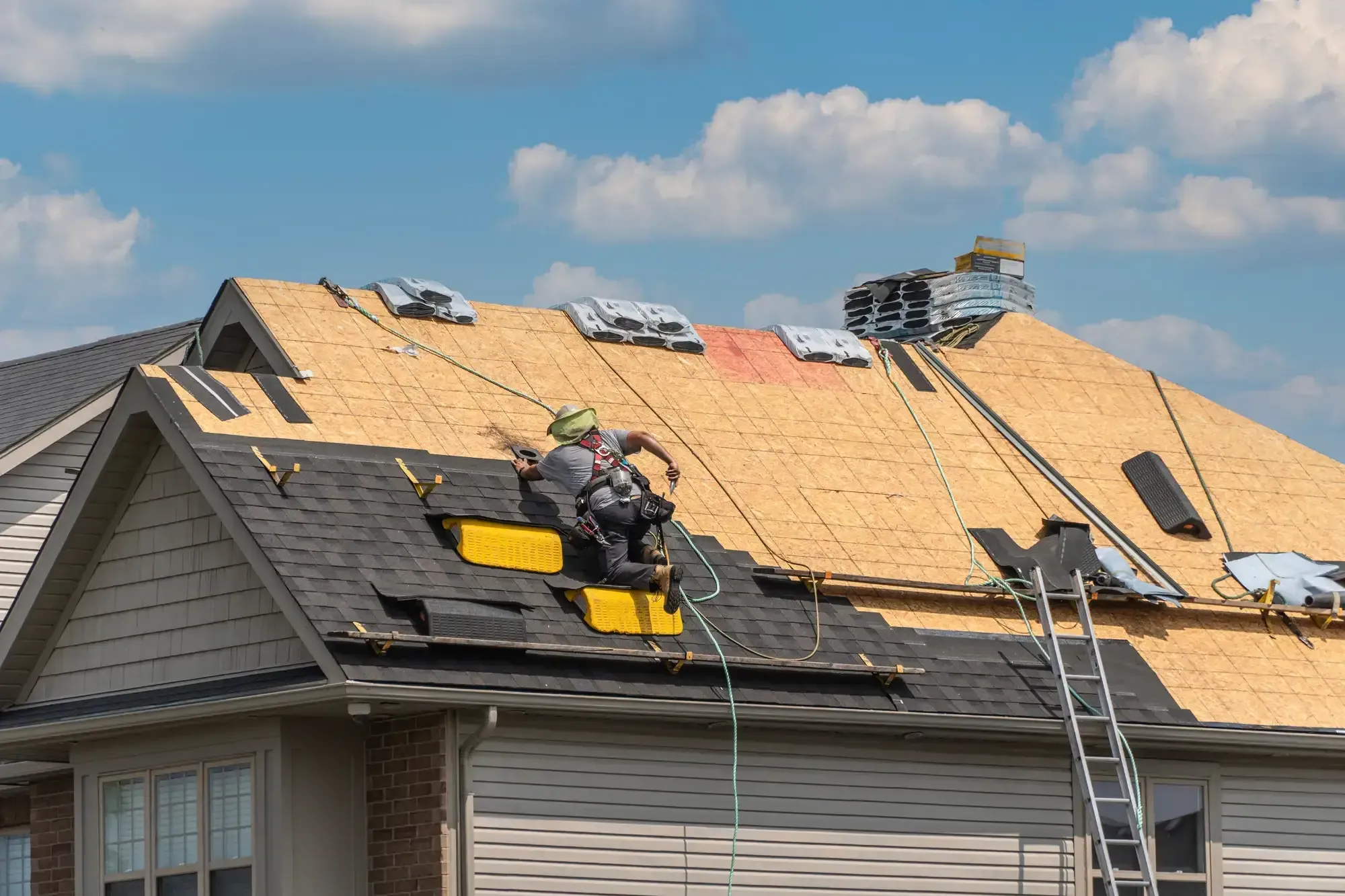
The fix isn’t cheap. Replacing rotted roof decking means tearing off shingles, removing damaged wood, installing new decking, and then re-shingling the affected area. Depending on the extent of the damage, costs can run into the thousands. And that’s just for one section of roof. If water has been backing up in multiple areas, the bill climbs fast.
This is why gutter maintenance isn’t optional. It’s not about keeping things tidy—it’s about protecting the structural integrity of your roof and making sure your warranty stays valid if something goes wrong.
How clogged gutters void roof warranties
Most roof warranties come with fine print. One of the most common exclusions? Damage caused by poor maintenance or improper water drainage. If your gutters are clogged and water backs up onto the roof, manufacturers consider that a maintenance issue—not a defect in materials or workmanship.
When you file a warranty claim, an inspector examines the roof to determine the cause of the damage. If they find signs of water backup, overflowing gutters, or ice dams caused by blocked drainage, the claim gets denied. It doesn’t matter if your shingles are still under warranty. The damage didn’t come from a product failure—it came from water that shouldn’t have been there in the first place.
This happens more often than homeowners expect. A roof might be only a few years old, well within its warranty period, but if gutters weren’t cleaned regularly or if they’re undersized for the home’s drainage needs, water damage isn’t covered. The warranty protects against manufacturing defects, not neglect.
The same issue applies to ice dams. When gutters clog in the fall and aren’t cleared before winter, trapped water freezes and creates dams that force melting snow back under shingles. The resulting leaks and rot are considered preventable, which means they’re excluded from coverage. Even if the shingles themselves are perfectly fine, the damage caused by improper drainage voids protection.
This is why seamless gutter installation isn’t just about convenience—it’s about protecting your roof investment. A properly installed, well-maintained gutter system keeps water flowing where it should, preventing the kind of backup that leads to denied claims and expensive repairs. In Monmouth County, where seasonal weather puts constant pressure on drainage systems, that protection matters.
Homeowners who invest in quality gutters and keep them clear are far less likely to face warranty issues. The cost of gutter maintenance or replacement is a fraction of what you’d pay to repair water-damaged decking and re-shingle a roof. It’s not just smart maintenance—it’s financial protection.
Why Seamless Gutters Protect Your Roof Better
Traditional sectional gutters are assembled from pre-cut pieces connected with seams and joints. Those connection points are where problems start. Seams trap debris, develop leaks over time, and create weak spots that pull apart under the weight of water and ice.
Seamless gutters are different. They’re fabricated on-site from a single continuous piece of aluminum, custom-cut to fit your home’s exact measurements. No seams along the runs means no weak points where leaks develop. Water flows freely from the roofline to the downspouts without getting caught in joints or seeping through deteriorating connections.
For Monmouth County homes, that difference matters. Heavy rain, freeze-thaw cycles, and debris from mature trees put constant stress on gutter systems. Seamless gutters handle that stress better, last longer, and require less maintenance than sectional systems that need seals replaced every few years.
Seamless gutters vs traditional sectional gutters
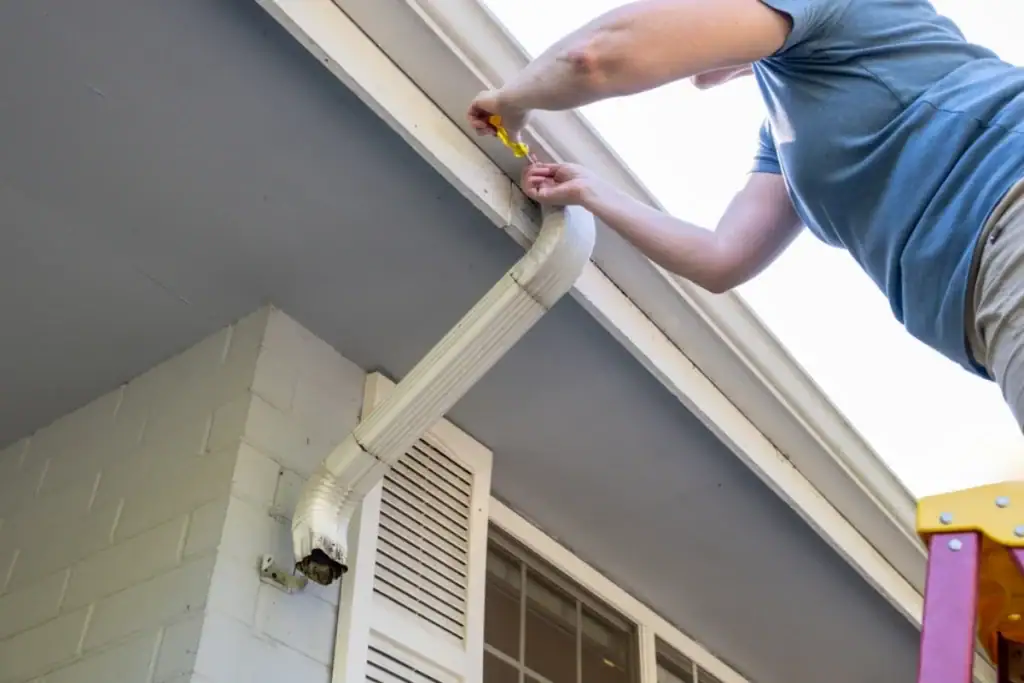
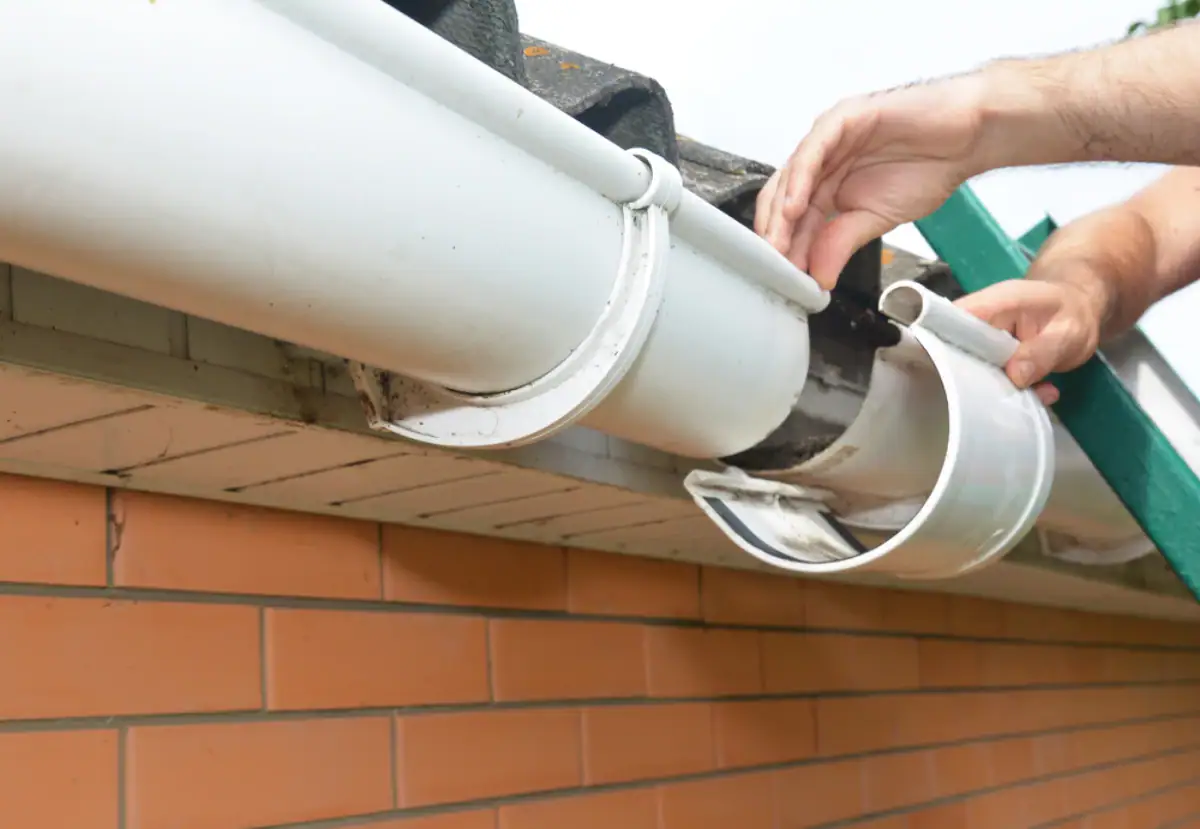
Sectional gutters are made up of multiple pieces—usually 10 to 20 feet long—that connect together during installation. Each connection requires a seam, typically sealed with caulk or metal connectors. Over time, those seals break down. Temperature changes cause expansion and contraction, pulling seams apart. Water seeps through, debris gets trapped, and what started as a small leak becomes a bigger problem.
Seamless gutters eliminate that issue. Because they’re formed from one continuous piece of material, there are no seams along the length of each run. The only joints are at the corners, where downspouts connect, and those are sealed properly during professional installation. Fewer joints mean fewer places for water to escape and fewer spots where leaves and twigs can build up.
The performance difference shows up during heavy rain. Sectional gutters with deteriorating seams can’t handle high water volume—leaks develop, water overflows, and sections start to sag under the weight. Seamless gutters maintain their shape and function because there’s no weak point along the run. Water flows smoothly, even during storms.
Maintenance is easier too. With sectional gutters, you’re not just cleaning out debris—you’re also inspecting and resealing joints every few years. Seamless gutters need cleaning, but the lack of seams means less buildup and fewer repair calls. For homeowners who want a system that works without constant attention, seamless is the clear choice.
Lifespan is another factor. Sectional gutters typically last 10 to 15 years before seams fail and sections need replacing. Seamless aluminum gutters can last 20 to 30 years with proper care. That’s double the lifespan, which means fewer replacements and better long-term value. In Monmouth County’s coastal climate, where salt air accelerates corrosion, durability matters even more.
Cost is often the deciding factor for homeowners. Sectional gutters are cheaper upfront, but the ongoing maintenance and shorter lifespan add up. Seamless gutters cost more to install, but they save money over time by reducing repairs, lasting longer, and preventing the kind of water damage that leads to expensive roof work. It’s not just about the gutter system—it’s about protecting everything underneath it.
Do you need gutter guards with seamless gutters
Seamless gutters reduce leaks, but they don’t stop clogs. Leaves, twigs, and debris still fall from trees and pile up inside the gutters, blocking water flow and creating the same backup problems that damage roofs. That’s where gutter guards come in—they work with seamless gutters to keep debris out while allowing water to flow through.
Gutter guards aren’t all the same. Some attach by screwing into the roof, which can damage shingles and void warranties. Others slide under shingles or clip onto the gutter without penetrating the roof. The installation method matters. If a guard requires nails or screws driven through shingles, it creates openings where water can seep in, leading to leaks and warranty issues.
The best gutter guards for seamless systems are those that attach to the gutter itself, not the roof. These sit on top of the gutter and filter debris while letting water pass through. They don’t interfere with roof ventilation, don’t damage shingles, and don’t void manufacturer warranties. For homeowners in tree-heavy areas of Monmouth County, this combination—seamless gutters with properly installed guards—can cut maintenance down to once a year or less.
Not every home needs gutter guards. If your property has few trees nearby and gutters don’t clog frequently, guards might not be worth the investment. But if you’re cleaning gutters three or four times a year, or if you’re dealing with constant clogs during fall and spring, guards make sense. They reduce the frequency of cleaning, prevent overflow during storms, and protect your roof from water backup.
The key is choosing the right type and making sure installation doesn’t compromise your roof. Guards that block airflow or create gaps under shingles cause more problems than they solve. Working with experienced installers who understand how guards interact with roofing systems ensures you get protection without risk. It’s not just about keeping debris out—it’s about doing it in a way that preserves your roof’s integrity and warranty coverage.
For homes with seamless gutters already in place, adding guards is a straightforward upgrade. The gutters are already built to handle water efficiently—guards just keep that efficiency from being compromised by clogs. Together, they create a system that requires minimal intervention and maximum protection, which is exactly what Monmouth County homeowners need to handle seasonal weather without constant maintenance.
Protecting Your Roof Starts With Proper Gutter Function
Your roof’s lifespan depends on more than quality shingles and proper installation. It depends on water flowing away from your home, not backing up under shingles or pooling along the roofline. Clogged gutters create the exact conditions that lead to rot, leaks, and voided warranties—problems that cost thousands to fix and could have been prevented with the right system.
Seamless gutters offer better protection than sectional systems because they eliminate the weak points where leaks develop and debris builds up. They’re custom-fit, longer-lasting, and designed to handle Monmouth County’s heavy rain, ice, and seasonal debris without constant repairs. For homeowners who want a gutter system that works without ongoing headaches, seamless is the solution.
If your gutters are overflowing, sagging, or filled with debris every few months, it’s time to upgrade. We’ve been protecting Monmouth County homes for over 40 years with professional seamless gutter installation, same-day estimates, and owner-supervised quality on every job. Your roof deserves a drainage system that keeps it dry, protected, and covered under warranty for decades to come.