Summary:
Siding Replacement ROI: The Numbers That Matter
When it comes to home improvements that actually pay for themselves, siding replacement stands at the top of the list. According to the 2024 Remodeling Cost vs. Value Report, siding replacement yields an average return on investment (ROI) of 80% to 95%, making it one of the most cost-effective home improvements you can make.
The expected ROI for vinyl siding replacement is 80.2%, while vinyl siding recouped even higher costs in four regions: New England (116% ROI), Mid-Atlantic (96%), Pacific (90%), and West South Central (84%). This means that in many cases, you’ll recover nearly all—or even more than—your initial investment when you sell your home.
The real estate industry estimates that the average home seller recoups more than 90% of siding replacement costs, with some materials and regions showing even stronger performance in today’s competitive housing market.
How New Siding Increases Property Value
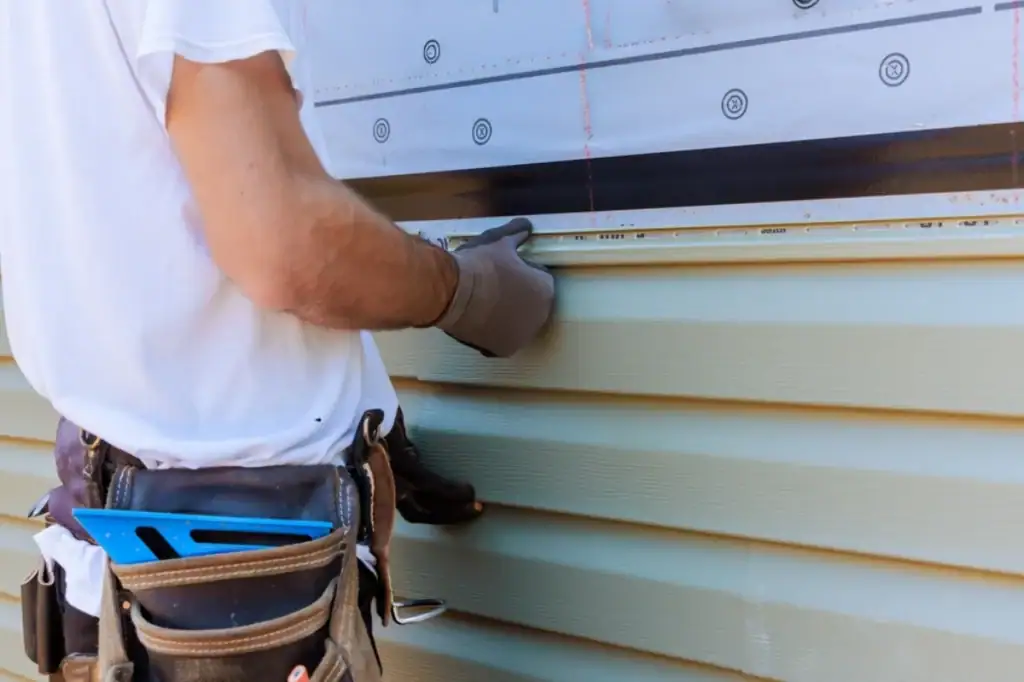
The impact of new siding on your home’s value extends beyond simple cost recovery. Nearly half (48%) of top agents consider a property’s enhanced curb appeal to be one of the strongest selling points among key home features, according to recent industry research.
Installing new vinyl siding will increase your home value by $12,500, generating a 67% return on investment after installing 1,250 square feet of vinyl siding. However, the benefits compound when you consider the broader market advantages. A visually appealing home not only sells faster but can also command a higher selling price.
The value increase isn’t just about appearance. New siding signals to potential buyers that the home has been well-maintained and protected from the elements. A fresh, modern exterior is more than cosmetic—it’s a message to buyers that the home is well-maintained and move-in ready. That’s why exterior renovation increases value beyond its dollar-for-dollar ROI.
Modern siding materials also contribute to energy efficiency, which has become increasingly important to today’s buyers. Upgrading to energy-efficient siding options, such as insulated vinyl or fiber cement, can help homeowners save on heating and cooling costs. In some cases, new siding can reduce energy bills by up to 20 percent. This ongoing savings potential adds significant appeal for prospective buyers who are increasingly focused on long-term operating costs.
Material Choices That Maximize Long-Term Value
The siding material you choose significantly impacts both your immediate investment and long-term returns. Understanding how different materials perform in Bergen County’s climate helps you make the smartest financial decision for your specific situation.
Vinyl siding remains the most popular choice among Bergen County homeowners, and for good reason. Vinyl siding typically boasts an average lifespan of 20 to 40 years, though this expected duration can fluctuate depending on the quality, thickness, and severity of the weather exposure it endures. With proper installation and minimal maintenance, vinyl siding can last 30+ years, making it an excellent long-term investment.
For homeowners seeking maximum durability, fiber cement siding offers superior longevity. Fiber cement siding, often chosen for its robustness and resistance to things like rot and fire, generally outlasts vinyl, with an average lifespan ranging from 30 to 50 years and potentially more. In New Jersey’s challenging climate, fiber-cement siding typically lasts 50 or more years when properly installed and maintained.
The climate-specific performance is particularly important in Bergen County. In New Jersey’s climate, where humid summers, freezing winters, and coastal storms create challenging conditions, fiber-cement siding has consistently demonstrated superior weather resistance. The material stands up exceptionally well to our region’s freeze-thaw cycles, exposure to salt content in the air near coastal areas, and high humidity that can damage other types of siding.
When evaluating materials, consider both upfront costs and long-term value. The material you choose for your siding significantly impacts your home’s value, and in markets like Bergen County, attractive energy efficient siding like fiber cement will more positively influence value over less energy efficient options. Energy efficiency increasingly drives buyer decisions in our area.
Protection Value: How Long Does Siding Last in New Jersey
Understanding siding longevity in New Jersey’s unique climate is crucial for calculating long-term value. The climate in this region is characterized by harsh winters, blazing hot summers, and frequent rainfall and can significantly impact the durability of your siding materials over time.
Living in New Jersey, particularly in areas like Bergen County, your home’s siding is subjected to a range of weather conditions, from scorching summers to frigid winters and everything in between. This constant exposure to the elements can accelerate the wear and tear on your siding.
The good news is that modern siding materials are engineered to withstand these challenges. Quality siding can handle the state’s weather extremes, from snowy winters to humid summers. It’s heavier and pricier than vinyl, but the durability often offsets the upfront cost. Many homeowners view it as a “buy once, last decades” solution.
Signs Your Siding Needs Replacement

Recognizing when your siding has reached the end of its useful life helps you make proactive decisions that protect your investment. Common signs include visible damage, such as cracks, warping, or peeling paint, as well as increased energy bills. If you notice any moisture issues inside your home, it may also be a sign of siding failure. Additionally, if your siding is fading or its color is uneven, this may indicate deterioration over time.
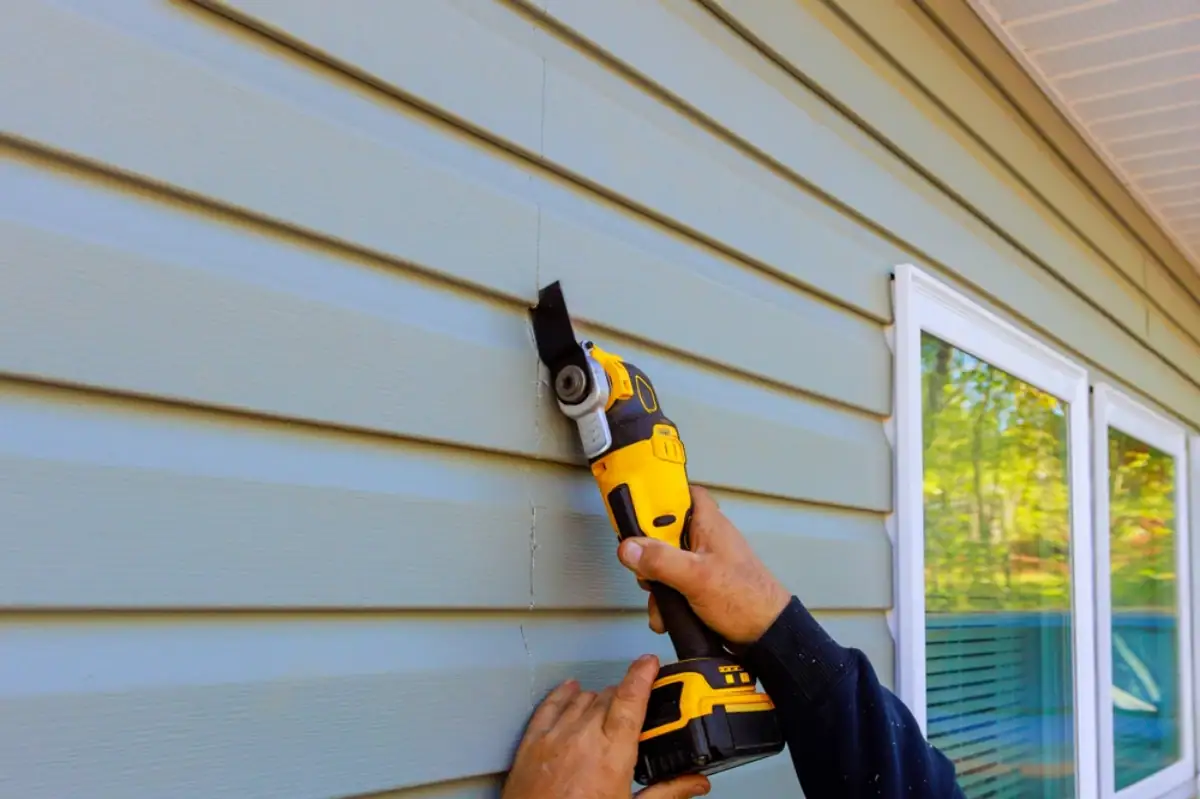
More serious warning signs require immediate attention. The most common problem with vinyl siding is holes and cracks in addition to panels that have become loose as these all lead to issues with moisture. Whether it’s a crack, a chip or a hole in your vinyl siding, this damage can allow moisture to seep into your home’s interior walls and foundation, potentially leading to severe and expensive damage.
Energy efficiency problems often signal siding failure before visible damage appears. Worn, old or damaged siding also leads to higher utility costs. Luckily, new energy-efficient siding can keep you and your family comfortable and save you money all year long. If you’ve noticed your heating and cooling bills creeping upward, your siding may be the culprit.
Don’t ignore subtle signs of moisture intrusion. Moisture intrusion may manifest as blistering or bubbling siding or through the growth of mold or fungus. You should also look for vinyl siding repair if you notice bubbling or blistering vinyl or if there is mold or rot on the trim near your vinyl siding. These issues indicate that your siding is no longer providing adequate protection, and delaying replacement could lead to expensive structural repairs.
The key is addressing problems proactively. Vinyl siding is often repairable if the problems are caught early enough. If the issues are allowed to progress, you may have reached a point where replacement is the only viable option. Regular inspections help you catch issues before they become major problems, maximizing your siding’s lifespan and protecting your home’s value.
Weather Protection and Energy Efficiency Benefits
New siding provides crucial protection that extends far beyond aesthetics, delivering measurable value through energy savings and structural protection. New siding provides better protection from the elements, reducing the risk of moisture penetration, mold growth, and structural damage. Materials like fiber cement and metal siding are particularly effective in resisting extreme weather conditions, including high winds, heavy rain, and even wildfires.
The energy efficiency benefits translate directly into long-term savings. Insulated vinyl siding offers the benefit of added thermal protection, effectively reducing energy costs by maintaining a more consistent interior temperature. This type of siding also serves as a sound barrier, enhancing your home’s soundproofing capabilities. With its durability and resistance to impacts and harsh weather, insulated vinyl siding is an excellent choice for homeowners in Bergen County’s variable climate.
Modern siding systems work as integrated protection systems. Siding not only dictates curb appeal but protects the structure from the elements and plays an important role in overall energy efficiency. Your siding will protect your home from sunlight, rain, and wind for decades to come, and insulation can be installed along with your siding to make your home even more energy efficient.
The protection value becomes especially apparent during severe weather events. Aluminum and steel panels stand up exceptionally well to the state’s weather, especially in areas exposed to coastal winds and salt air. Steel siding, in particular, is strong enough to resist impact from hail or debris. It doesn’t warp, rot, or attract insects, and with proper coating, it can handle years of moisture without rusting.
For Bergen County homeowners, this protection translates into peace of mind and reduced maintenance costs. Unlike wood siding that requires regular painting, staining, and maintenance, quality fiber cement siding is designed to require minimal maintenance. It resists rot, warping, cracking, and pests, reducing the need for frequent upkeep and saving you time and money in the long run. This low-maintenance characteristic becomes increasingly valuable as your siding ages, allowing you to enjoy the benefits without ongoing hassle or expense.
Making the Smart Investment in Your Home's Future
Siding replacement in Bergen County represents one of the most strategic investments you can make in your property. With proven ROI ranging from 80-95%, enhanced energy efficiency, and protection that lasts decades, new siding delivers value that compounds over time. The key is choosing quality materials installed by experienced professionals who understand New Jersey’s unique climate challenges.
Whether you’re planning to sell in the near future or staying in your home for years to come, siding replacement provides immediate benefits and long-term peace of mind. From increased property values to reduced energy costs and superior weather protection, the advantages extend far beyond the initial investment.
For Bergen County homeowners ready to maximize their property’s potential, we at A Russo & Son Roofing bring over 40 years of expertise to every siding replacement project, ensuring your investment delivers maximum value for decades to come.