Summary:
Poor Installation Practices That Compromise Roof Integrity
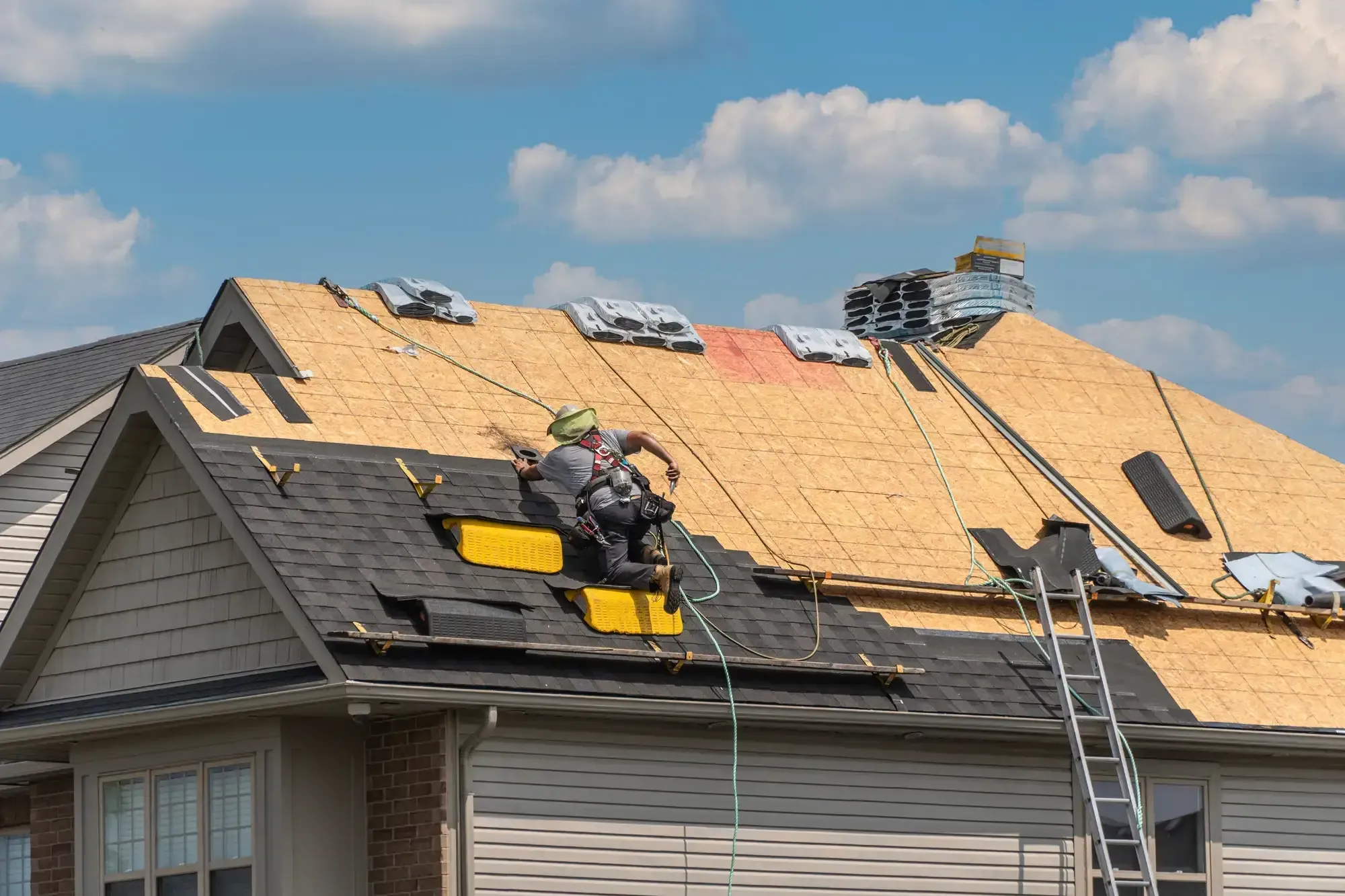
The foundation of any successful roofing project lies in proper installation techniques. When contractors rush through jobs or lack experience, they often make fundamental errors that aren’t immediately visible but cause significant problems later.
Improper nail placement ranks among the most common installation mistakes. Nails driven too high, too low, or at wrong angles create weak points where wind can lift shingles. The wrong nail type or insufficient nails per shingle also compromise your roof’s ability to withstand Monmouth County’s harsh weather conditions.
Another critical issue involves inadequate attention to roof deck preparation. Quality contractors inspect and repair the underlying structure before installing new materials, ensuring a solid foundation for your investment.
Flashing Installation Errors That Lead to Water Damage
Flashing protects the most vulnerable areas of your roof where different surfaces meet. Around chimneys, vents, skylights, and roof valleys, proper flashing installation prevents water infiltration that can cause extensive damage to your home’s structure.
Many contractors make the costly mistake of reusing old flashing during roof replacement. While existing flashing might appear intact, it’s often compromised by age, weather exposure, or previous installation errors. Professional roofers always install new flashing with every roof replacement to ensure maximum protection.
Incorrect flashing installation techniques create another major problem. Flashing must be properly sealed, overlapped, and integrated with the roofing system to redirect water effectively. When contractors take shortcuts with flashing, they create pathways for water to enter your home, leading to interior damage, mold growth, and structural issues.
Valley flashing deserves special attention because these areas handle large volumes of water runoff. Improper valley flashing installation can cause water backup, ice dam formation, and catastrophic roof failure during heavy storms. In Monmouth County’s climate, where winter storms and summer downpours test every roof system, proper flashing installation isn’t optional—it’s essential for protecting your home.
Ventilation Mistakes That Reduce Roof Lifespan
Flashing protects the most vulnerable areas of your roof where different surfaces meet. Around chimneys, vents, skylights, and roof valleys, proper flashing installation prevents water infiltration that can cause extensive damage to your home’s structure.
Many contractors make the costly mistake of reusing old flashing during roof replacement. While existing flashing might appear intact, it’s often compromised by age, weather exposure, or previous installation errors. Professional roofers always install new flashing with every roof replacement to ensure maximum protection.
Incorrect flashing installation techniques create another major problem. Flashing must be properly sealed, overlapped, and integrated with the roofing system to redirect water effectively. When contractors take shortcuts with flashing, they create pathways for water to enter your home, leading to interior damage, mold growth, and structural issues.
Valley flashing deserves special attention because these areas handle large volumes of water runoff. Improper valley flashing installation can cause water backup, ice dam formation, and catastrophic roof failure during heavy storms. In Monmouth County’s climate, where winter storms and summer downpours test every roof system, proper flashing installation isn’t optional—it’s essential for protecting your home.
Material Selection and Handling Errors
The quality and proper handling of roofing materials directly impact your roof’s performance and longevity. Contractors who cut corners on materials or handle them improperly create problems that may not surface until years later.
Mismatched shingles represent one of the most visible contractor mistakes. This occurs when contractors purchase materials from multiple suppliers or use different product batches, resulting in color variations and inconsistent performance characteristics. Quality contractors source all materials from trusted suppliers and ensure batch consistency.
Improper material storage and handling also compromise roof quality. Shingles stored in direct sunlight, extreme temperatures, or wet conditions can suffer damage before installation. Professional contractors protect materials throughout the project and inspect them for defects before installation.
Ignoring Manufacturer Guidelines and Building Codes
Every roofing material comes with specific manufacturer installation requirements that ensure optimal performance and maintain warranty coverage. Contractors who ignore these guidelines compromise both roof quality and your warranty protection.
Manufacturer specifications cover critical details like nail placement, overlap requirements, temperature restrictions, and substrate preparation. Deviating from these requirements can void warranties and create performance issues that aren’t covered by insurance claims. Professional contractors stay current with manufacturer guidelines and follow them precisely.
Building code compliance represents another area where contractors sometimes take shortcuts. Local building codes in Monmouth County establish minimum standards for wind resistance, fire safety, and structural integrity. Contractors who ignore code requirements put your home at risk and may face legal consequences during inspections.
Permit requirements often get overlooked by contractors trying to reduce costs or speed up projects. Most roofing projects require permits, and working without proper permits can result in fines, forced project delays, and complications when selling your home. Reputable contractors handle all permit requirements and ensure inspections are completed properly.
Inadequate Weather Protection During Installation
Monmouth County’s unpredictable weather patterns require contractors to plan carefully and protect your home during roofing projects. Contractors who fail to monitor weather conditions or provide adequate protection can cause significant damage to your home’s interior.
Proper project timing involves monitoring weather forecasts and planning installation phases around expected conditions. Professional contractors have contingency plans for unexpected weather changes and can quickly protect exposed areas when storms approach.
Temporary weather protection becomes critical during multi-day projects. Quality contractors use tarps, temporary roofing, and other protective measures to prevent water infiltration when work must be suspended. They also ensure proper drainage around your home to prevent water accumulation during the project.
Emergency response capabilities distinguish professional contractors from less experienced ones. When unexpected weather threatens an active project, experienced contractors can quickly implement protective measures and coordinate with homeowners to minimize potential damage. This level of preparation and response requires both experience and proper equipment that many contractors lack.
Choosing the Right Roofing Contractor in Monmouth County
Avoiding roofing mistakes starts with selecting a contractor who prioritizes quality over shortcuts. Look for contractors with extensive local experience, proper licensing and insurance, and a track record of satisfied customers in Monmouth County.
Verify warranties and guarantees that protect your investment. Quality contractors offer comprehensive warranties covering both materials and workmanship, demonstrating confidence in their work. They also maintain relationships with reputable suppliers and can provide manufacturer warranties on materials.
We at A Russo Roofing & Siding have served Monmouth County homeowners for over 40 years, combining family-owned values with professional expertise. Our commitment to quality installation, comprehensive warranties, and customer satisfaction helps homeowners avoid the costly mistakes that compromise roofing investments.