Summary:
Early Warning Signs Your Roof is Leaking
Most roof leaks don’t announce themselves with obvious dripping. They start small and work their way through your home’s structure, often going unnoticed for weeks or months. The key is knowing what to look for before water starts pooling on your floor.
Water stains on your ceiling are usually the first visible sign. These brown or yellow rings might appear small at first, but they indicate water has been traveling through your roof structure. Don’t ignore even minor discoloration—it’s your roof’s way of asking for help.
Interior Signs of Roof Damage
Inside your home, several clues point to roof problems. Peeling paint or wallpaper near the ceiling often signals moisture infiltration. You might notice a musty smell in certain rooms, especially after rain—this indicates water is getting in somewhere and potentially creating mold conditions.
Check your attic regularly if you have access. Look for wet insulation, water stains on wooden beams, or any signs of moisture. Damp insulation loses its effectiveness and can harbor mold spores. If you spot these issues, water is definitely finding its way through your roof system.
Sagging ceiling areas are serious red flags. When drywall or plaster starts to bow downward, it means significant water has accumulated above. This situation requires immediate attention because the ceiling could eventually collapse under the weight of trapped water.
Don’t overlook subtle signs like increased energy bills. If your heating or cooling costs spike unexpectedly, compromised insulation from water damage might be the culprit. Wet insulation can’t regulate temperature effectively, forcing your HVAC system to work harder.
Exterior Warning Signs to Watch For
Inside your home, several clues point to roof problems. Peeling paint or wallpaper near the ceiling often signals moisture infiltration. You might notice a musty smell in certain rooms, especially after rain—this indicates water is getting in somewhere and potentially creating mold conditions.
Check your attic regularly if you have access. Look for wet insulation, water stains on wooden beams, or any signs of moisture. Damp insulation loses its effectiveness and can harbor mold spores. If you spot these issues, water is definitely finding its way through your roof system.
Sagging ceiling areas are serious red flags. When drywall or plaster starts to bow downward, it means significant water has accumulated above. This situation requires immediate attention because the ceiling could eventually collapse under the weight of trapped water.
Don’t overlook subtle signs like increased energy bills. If your heating or cooling costs spike unexpectedly, compromised insulation from water damage might be the culprit. Wet insulation can’t regulate temperature effectively, forcing your HVAC system to work harder.
Proven Strategies to Prevent Water Damage
Prevention beats repair every time, especially when it comes to roof leaks. The good news is that most water damage can be prevented with regular maintenance and attention to your roof’s condition. Smart homeowners in Monmouth County know that investing in prevention saves money and stress down the road.
The foundation of leak prevention is regular inspection. You don’t need to climb on your roof—much can be observed from the ground with binoculars. Schedule these visual checks twice yearly, ideally in spring and fall, plus after any major storms.
Essential Maintenance Tasks for Leak Prevention
Keep your gutters clean and functioning properly. Clogged gutters are one of the leading causes of roof leaks because they force water to back up under shingles. Clean them at least twice yearly, more often if you have trees near your home. Make sure downspouts direct water away from your foundation.
Trim tree branches that hang over your roof. Branches can scrape shingles during windy conditions, and falling limbs can cause serious damage. Maintain at least a six-foot clearance between branches and your roof surface. This also reduces the amount of debris that ends up in your gutters.
Address small problems immediately. A few loose shingles might seem minor, but they can quickly become major issues during the next storm. Replace damaged shingles promptly, and don’t wait for multiple problems to accumulate before taking action.
Ensure proper attic ventilation. Poor ventilation creates moisture problems that can lead to mold, rot, and structural damage. Your attic should have both intake vents (usually in the soffits) and exhaust vents (at the ridge or near the roof peak). This airflow prevents moisture buildup and extends your roof’s lifespan.
Professional Inspections and When to Call Experts
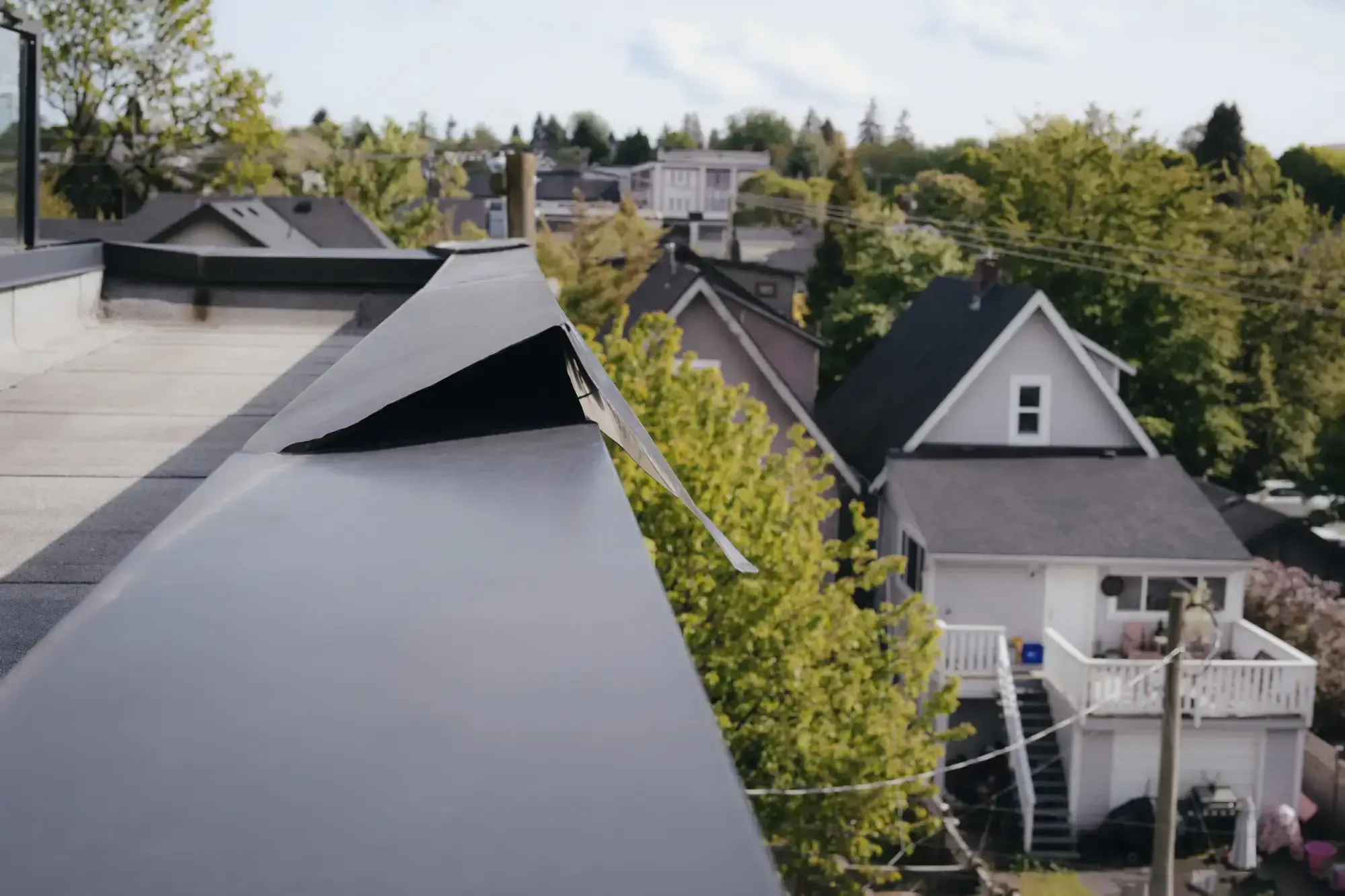
While homeowner maintenance is important, professional inspections catch problems you might miss. A qualified roofer can identify subtle issues like failing sealants, loose flashing, or structural problems that aren’t visible from the ground. Schedule professional inspections annually, or after severe weather events.
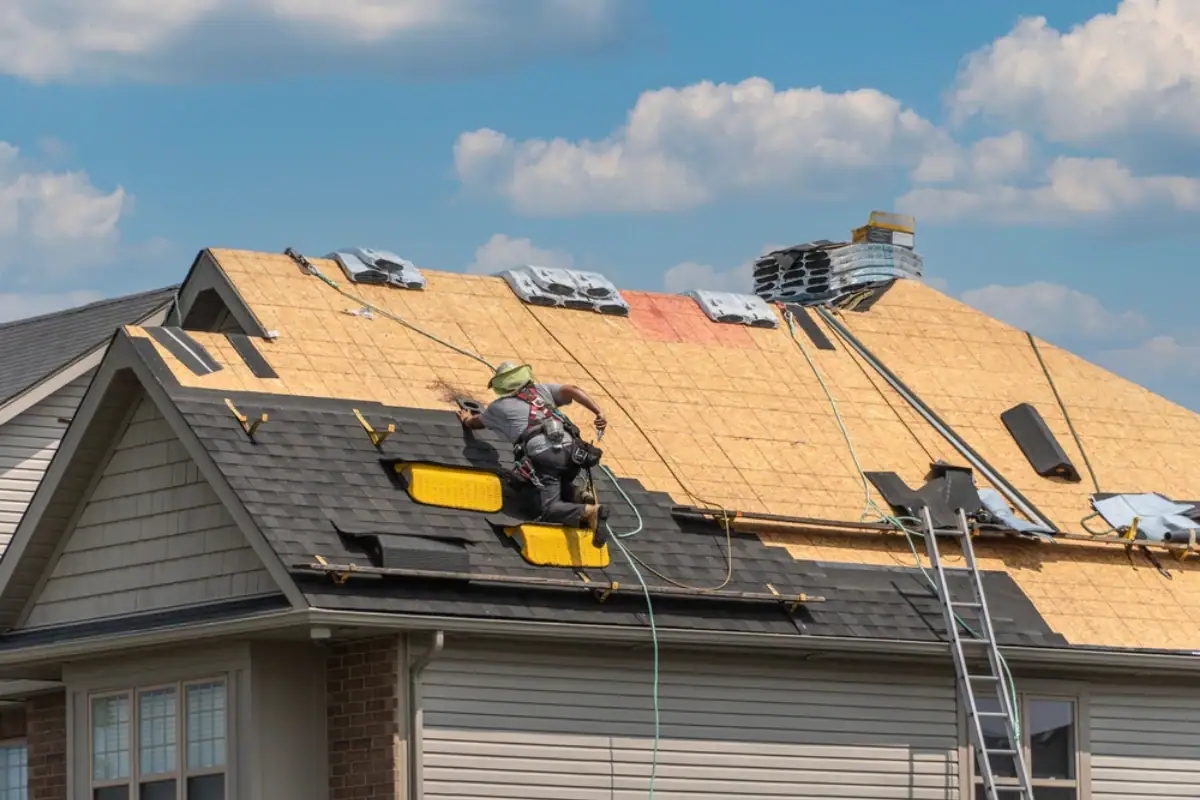
Don’t attempt major repairs yourself. Roof work is dangerous, and improper repairs can void warranties or create bigger problems. Professional roofers have the experience, tools, and safety equipment to handle repairs correctly. We also understand local building codes and weather patterns specific to Monmouth County.
Know when to call for emergency service. If you discover active leaks, especially during storms, don’t wait. Water damage accelerates quickly, and what starts as a small leak can become a major disaster within hours. Emergency tarping and temporary repairs can prevent extensive interior damage while permanent solutions are planned.
Consider the age of your roof when making repair decisions. If your roof is approaching 20-25 years old and needs frequent repairs, replacement might be more cost-effective than continued patching. We can help you evaluate whether individual repairs or full replacement makes more financial sense.
Protecting Your Home from Costly Water Damage
Roof leaks don’t have to become expensive disasters. By knowing the warning signs and taking preventive action, you can protect your home and avoid the stress of dealing with water damage. Remember that small problems become big problems quickly, so don’t delay when you notice issues.
Regular maintenance, professional inspections, and prompt attention to problems are your best defenses against roof leaks. The investment in prevention is always less than the cost of major repairs or dealing with water damage throughout your home.
When you need professional help with roof inspection, repair, or replacement in Monmouth County, we at A Russo Roofing & Siding bring over 40 years of experience to every job. Don’t wait until a small leak becomes a big problem—take action to protect your home today.