
Summary:
You filed the claim. The adjuster came out, spent maybe twenty minutes on your property, and sent you a number. And something about that number doesn’t sit right.
Maybe your contractor’s estimate is significantly higher. Maybe your neighbor had similar damage and got a full replacement covered. Maybe you just have a feeling you’re not getting the full picture.
That instinct is worth listening to. Underpaid roof repair insurance claims are common in Monmouth County — and most homeowners never challenge them because they don’t know they can, or they don’t know where to start. Here’s what’s actually happening, and what you can do about it.
How Roof Damage Insurance Claims Actually Work in New Jersey
The basic sequence goes like this: storm damage occurs, you notify your insurer, they send an adjuster to assess the damage, and you receive a settlement offer. Simple enough in theory. In practice, there are several points in that chain where the payout gets quietly reduced — and most of it happens before you ever see a number.
What the adjuster writes up becomes the insurer’s official scope of your damage. That scope determines what gets covered, what gets depreciated, and what gets left out entirely. If the adjuster misses damage to your flashing, your underlayment, or your ridge venting — areas that aren’t visible from a ladder — those items simply don’t exist in the claim. The insurer won’t go looking for them on your behalf.
Siding and Roof Repair: What Happens When Storm Damage Hits Both Systems
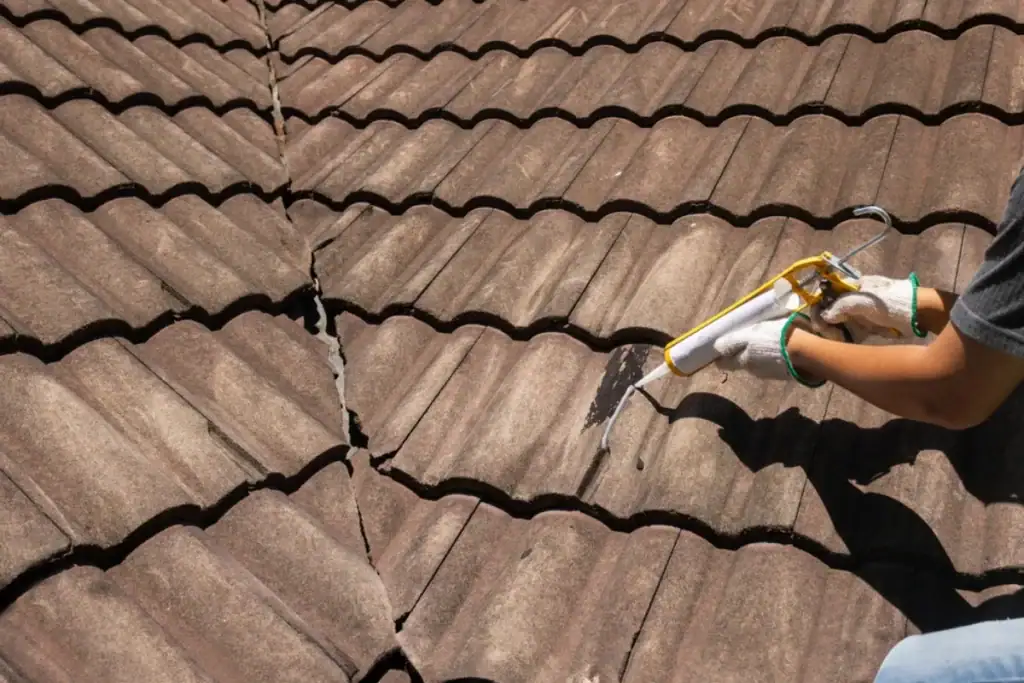
This is one of the most common and least-discussed gaps in residential insurance claims. A strong nor’easter or a late-season storm doesn’t typically limit itself to your roof. Wind-driven debris, hail, and water intrusion routinely affect your siding at the same time — and yet most roofing contractors only document and scope the roof. The siding damage either goes unclaimed or gets flagged as a separate issue the homeowner has to chase down independently.
That matters because insurance adjusters work from the scope they’re given. If your contractor only walked the roof, only the roof shows up in the documentation. The insurer isn’t going to call you and say, “By the way, did anyone check your siding?” They’ll pay what the scope supports and move on.
When we work a storm damage claim in Monmouth County, we look at the full exterior — roof, siding, flashing, gutters — because that’s how storms actually work. A single integrated estimate that captures all the damage gives you a much stronger starting position with your insurer than two separate scopes filed weeks apart. It also eliminates the coordination headache of dealing with multiple contractors while you’re already managing a claim.
Monmouth County’s housing stock skews older. Many homes in Colts Neck, Freehold, Howell, and the shore communities were built in the early 1970s or earlier. When a storm hits properties with original or aging siding, it doesn’t take much to expose real damage that’s been quietly building. Getting it documented properly the first time is the difference between a complete settlement and leaving money behind.
We’ve handled roofing and siding for over 40 years in this area. We know what a complete storm damage scope looks like — and we know what gets missed when someone only looks at half the picture.
The Second Check Most Monmouth County Homeowners Never Collect
If your policy is an RCV policy — replacement cost value, as opposed to actual cash value — your insurer owes you more than what’s in the first check. Most people don’t know this.
Here’s how it works. When you file a claim on an RCV policy, the insurer first pays you the actual cash value of the damage: the replacement cost minus depreciation. On a 15-year-old roof, that depreciation can be significant — potentially 40 to 60 percent of the total claim value. On a $15,000 replacement, that could mean the first check is somewhere around $6,000.
The remaining amount — called recoverable depreciation — is held back by the insurer until you complete the repairs and submit your final invoice and completion documentation. Only then does the second check get released. That second payment is what closes the gap between what you received and what your policy actually owes you.
The catch? Most homeowners either don’t know the second check exists, or they don’t know what documentation is required to trigger it. They do the repair, pay the contractor, and never file for the rest. The insurer keeps the difference.
This is not a loophole or a gray area. It’s how RCV policies are structured — and it’s a step that requires your contractor to provide the right paperwork at the right time. We make sure that happens. When we complete a job, we submit the final invoice and the documentation your insurer needs to release the recoverable depreciation. It’s part of what we do, not an afterthought.
New Jersey doesn’t require insurers to offer RCV coverage — it’s the homeowner’s choice at the time of purchase, and many people genuinely don’t know which type they have until after a storm. If you’re not sure, your declarations page will show it. It’s worth looking before you assume the first offer is the final word.
What a Local Contractor Actually Does During an Insurance Claim
There’s a version of this where you call your insurer, the adjuster comes out, and everything goes smoothly. That happens. But in a coastal county like Monmouth, where storm exposure is real and recurring, and where a lot of the housing stock is on its second or third roof, the adjuster’s first offer isn’t always the right one.
Having a licensed contractor present at the adjuster inspection changes the dynamic. We get on the roof. We photograph the damage with proper context and scale — not from the driveway. We point out what the adjuster might otherwise miss. And we bring a written, itemized estimate to the inspection so there’s a professional counterpoint to the insurer’s scope from the start, not something you’re scrambling to produce after the fact.
Why the Adjuster's Estimate Isn't Always the Final Word

Insurance adjusters are not neutral evaluators. They’re either employed by your insurer or paid per claim closed — which creates a built-in incentive toward speed over thoroughness. That doesn’t make them dishonest. It does mean their estimate reflects their employer’s interests as much as your policy’s terms.
There’s also a practical problem: there’s no standardized depreciation formula in New Jersey. The same 15-year-old roof could be depreciated at 40 percent by one adjuster and 60 percent by another. That gap isn’t random — it’s discretionary. And without a contractor’s documented scope to push back against, most homeowners accept whatever number arrives.
After major storms, insurers often deploy adjusters from out of state who aren’t familiar with New Jersey’s building codes, the ice and water shield requirements under the NJ IRC, or the specific wind ratings required in coastal Monmouth County communities. An adjuster who doesn’t know what code-compliant installation looks like in Sea Bright or Manasquan may not scope the job correctly — and that shortfall ends up in your settlement.
If the offer you received feels low, you’re not imagining things. New Jersey homeowners have real options: requesting a re-inspection, submitting a supplemental claim with additional documentation, or filing a complaint with the NJ Department of Banking and Insurance under the state’s Unfair Claims Settlement Practices Act. A contractor who documented your damage thoroughly gives you the ammunition to pursue any of those paths.
We’ve been doing this in Monmouth County since 1980. We know what local insurers approve and what they push back on. That knowledge is worth something at the adjuster inspection — and it’s part of what you get when you call us before the adjuster shows up, not after.
What to Do Before the Adjuster Arrives
The sequence matters more than most homeowners realize. Calling a licensed local contractor before the adjuster visits — not after — is the single most effective step you can take to protect your claim.
When the adjuster arrives, they’re working from their own scope unless you give them something better. A written, itemized estimate from a licensed contractor gives the adjuster a professional reference point that’s harder to dismiss than a homeowner’s word. It also ensures that damage to areas they might not check — flashing, underlayment, ridge venting, siding — is documented before anyone decides what’s covered.
You should also photograph everything you can safely access before any temporary repairs are made. Most New Jersey homeowners policies require you to take reasonable steps to prevent further damage after a storm — things like covering exposed areas with a tarp. That’s appropriate. But document the original damage first, because once it’s covered or patched, it’s harder to prove what was there.
Under New Jersey’s insurance regulations, your insurer is required to acknowledge your claim within 10 business days. If you’re not hearing back, that’s worth noting. And if you’re in a shore-area property or a seasonal home in Monmouth County where you may not have been on-site when the storm hit, the documentation burden falls even more heavily on your contractor — which is another reason who you call matters.
We offer same-day free estimates throughout Monmouth County, and our 24/7 emergency line is answered by a person, not a voicemail. If you’ve got storm damage and an adjuster visit coming up, we can be there before they are — with the documentation, the photos, and the written scope your claim needs to hold up.
Getting the Full Roof Insurance Settlement You're Owed in Monmouth County
Most underpaid roof repair insurance claims don’t get challenged — not because the homeowner was wrong, but because they didn’t know they had a case. The adjuster’s number felt official. The process felt finished. And thousands of dollars in recoverable depreciation, missed damage, or incomplete scoping stayed in the insurer’s pocket.
You don’t have to accept the first offer as the final one. Document everything, get a licensed contractor involved early, and make sure someone who knows the local market is present when the adjuster shows up.
We’re A Russo Roofing & Siding, and we’ve been doing this work in Monmouth County since 1980. Our license number is #13VH13248500 — publicly verifiable through the NJ Division of Consumer Affairs. The owner is on every job. The warranty on our roofing work runs 30 years. If your claim came back lower than it should have, or you’ve got storm damage and want to get it documented right the first time, reach out to us. We know this area, we know this process, and we’re not going anywhere.