Summary:
Will the Owner Be Present During My Roof Installation?
This question separates serious contractors from the rest. When a business owner personally oversees your project, you get accountability that can’t be delegated away.
Most roofing companies send crews out unsupervised, hoping everything goes according to plan. Problems get discovered weeks or months later when it’s harder and more expensive to fix them. Owner presence means issues get caught and corrected immediately, not after you discover them during the next storm.
Ask specifically: “Will the owner be on-site during installation?” and “How will I know if problems arise during the work?” A contractor committed to owner-level accountability will have clear answers about their oversight process.
What Does Owner Oversight Actually Mean for Your Project?
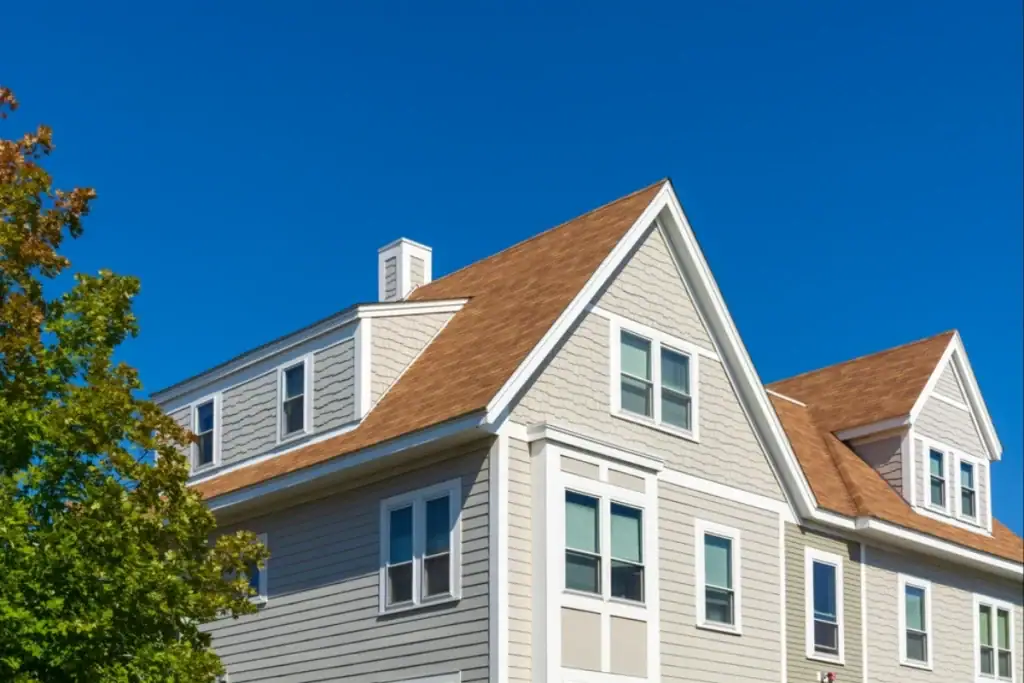
Owner oversight isn’t just about having someone important show up occasionally. It means having someone with decision-making authority who can address issues immediately without waiting for approvals or callbacks to the office.
When the owner is present, your project gets priority attention. Materials are checked for quality before installation begins. Installation techniques are verified against manufacturer specifications. Any weather concerns or unexpected conditions are handled by someone who can make real-time decisions about how to proceed.
This level of oversight also means better communication with you as the homeowner. Instead of playing telephone through multiple layers of management, you can speak directly with the person responsible for your project’s success. Questions get answered immediately, and you stay informed about progress throughout the installation.
Owner presence also creates natural quality control. When the person whose reputation and business depends on your satisfaction is watching every step, crews work more carefully and thoroughly. It’s human nature—people perform better when they know their work is being evaluated by someone who matters.
The financial impact is significant too. Owner-supervised projects typically have fewer callbacks, warranty claims, and customer service issues. This isn’t just better for the contractor—it means fewer disruptions and problems for you after the installation is complete.
How to Verify Real Owner Accountability vs Marketing Claims
Many contractors claim to offer “owner oversight” or “owner accountability,” but verification requires specific questions and concrete answers.
Start by asking for the owner’s name and direct contact information. If they hesitate or refer you to a “project manager” or “supervisor,” that’s a red flag. True owner accountability means you can reach the actual business owner when needed.
Ask about their current project load: “How many jobs are you personally overseeing this week?” An owner who’s spread across dozens of simultaneous projects can’t provide meaningful oversight to any of them. Look for contractors who limit their concurrent projects to ensure proper attention.
Request references from recent customers and specifically ask those references: “Did you meet the owner?” and “Was the owner present during your installation?” Past customers will give you honest feedback about whether owner involvement was real or just a sales pitch.
Also ask about the owner’s background and experience. How long have they been in business? What’s their personal involvement in day-to-day operations? Owners who’ve built their reputation over decades have more to lose from poor work than newer operators or large companies where individual projects matter less.
Finally, pay attention to how they handle your initial consultation. Does the owner personally assess your roof and provide the estimate? Or do they send sales representatives? Companies serious about owner accountability typically start that involvement from your very first interaction.
What Training Do Your Crew Members Have?
Crew training directly impacts your roof’s performance and longevity. Properly trained installers follow manufacturer specifications, understand local building codes, and know how to handle unexpected situations that arise during installation.
Ask for specific details about training programs, certifications, and ongoing education. Quality contractors invest in their crews through manufacturer training programs, safety certifications, and regular skills updates. We can show you documentation of completed training and explain how we ensure consistent quality across all team members.
This isn’t just about technical skills—trained crews work more efficiently, create less mess, and communicate better with homeowners throughout the project.
Manufacturer Training and Certification Requirements

Every major roofing manufacturer maintains training programs and keeps records of which contractors and crews have completed their certification requirements. This training covers proper installation techniques, warranty compliance, and system-specific requirements that generic roofing knowledge doesn’t address.
Ask your contractor: “Are your crews trained and certified by the manufacturer of the materials you’ll be using on my roof?” Request to see current certification documentation. Manufacturers like GAF, Owens Corning, and CertainTeed all provide certificates and maintain databases of trained contractors.
This matters because manufacturer warranties often require installation by certified contractors. Without proper training documentation, your material warranty could be voided if problems arise. More importantly, manufacturer-trained crews understand the specific requirements for proper installation of the products being used on your roof.
Different roofing systems have different requirements. Asphalt shingles, metal roofing, and flat roof systems all require specialized knowledge. Even within asphalt shingles, architectural shingles install differently than basic three-tab shingles. Manufacturer training ensures crews understand these distinctions and install your specific system correctly.
Training also covers local climate considerations. Monmouth County’s coastal weather patterns, salt air exposure, and temperature variations require specific installation techniques and materials. Manufacturer training programs address these regional factors and teach crews how to adapt their installation methods accordingly.
Ask about ongoing training as well. Roofing technology and techniques evolve constantly. Contractors committed to quality invest in continuing education to stay current with best practices and new product developments.
Safety Training and OSHA Compliance
Proper safety training protects both workers and homeowners while indicating overall professionalism and attention to detail. Contractors who invest in comprehensive safety training typically maintain higher standards in all aspects of their work.
Ask about OSHA compliance and safety certifications. Reputable contractors provide regular safety training, maintain current OSHA certifications, and can document their safety record. This training covers fall protection, proper equipment use, hazard identification, and emergency procedures.
Safety-trained crews work more systematically and carefully. They set up job sites properly, use appropriate protective equipment, and follow established procedures that reduce risks for everyone involved. This systematic approach typically carries over into installation quality as well.
Request information about their safety record and workers’ compensation coverage. Contractors with good safety programs have fewer accidents, lower insurance costs, and more experienced crews who stay with the company longer. High turnover often indicates poor working conditions or inadequate training.
Safety training also covers property protection. Trained crews know how to protect your landscaping, vehicles, and other property during roof installation. They understand how to handle materials safely to prevent damage to your home’s exterior and surrounding areas.
Ask about their emergency procedures as well. What happens if weather conditions change during installation? How do they protect your home if work must be stopped unexpectedly? Safety-trained crews have protocols for these situations that protect both workers and your property.
Making the Right Choice for Your Monmouth County Roof Installation
These seven questions help you identify contractors who offer genuine accountability and professional installation practices. The right contractor will welcome these questions and provide detailed, confident answers backed by documentation and references.
Remember that the lowest bid often comes with the highest long-term costs. Contractors who cut corners on oversight, training, or accountability typically cut corners on materials and installation quality too. Your roof is too important for shortcuts.
When you’re ready to move forward with your roof installation, choose a contractor like us at A Russo Roofing & Siding who can answer these questions with confidence and provide the owner-level accountability your investment deserves.