Summary:
Why Salt Air Destroys Standard Windows Faster Than You Think
Salt doesn’t just sit on surfaces. It attracts moisture, and that combination triggers a slow but relentless chemical attack on anything metal or wood. In coastal Monmouth County, this process never stops.
Standard aluminum windows start showing corrosion pitting within three years of installation. Wood frames absorb that salt-laden moisture, leading to rot in bottom rails and corner joints—often before you even notice the damage from inside. Even premium products fail early when they’re not designed for marine exposure. This is why window replacement in coastal areas requires different materials than what works inland.
The science is straightforward. Tiny salt particles from ocean spray settle on every exposed surface. They pull moisture from the humid coastal air, creating a constant wet environment that accelerates rust on metal components and swelling in wood. Over time, seals fail, frames weaken, and what started as a small problem becomes a full window replacement project.
How Monmouth County Coastal Conditions Accelerate Window Failure
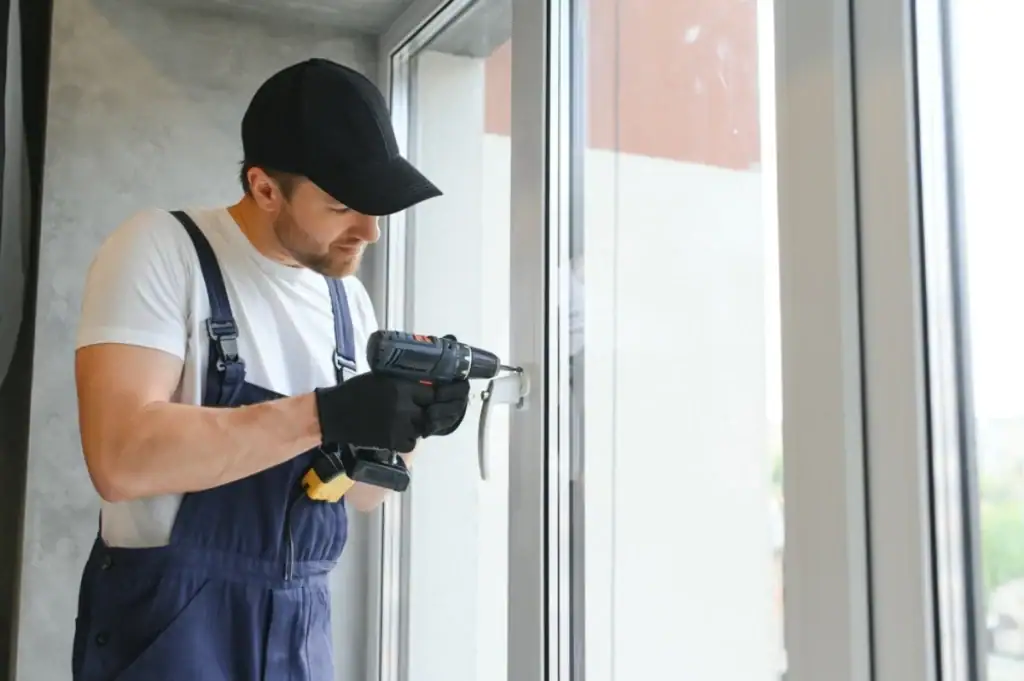
Monmouth County sits right in the crosshairs of Atlantic weather patterns. You get harsh winter storms, summer heat and humidity, and year-round exposure to salt spray carried inland by coastal winds. Windows that might last 20 years in central New Jersey often fail in 12 to 15 years here. That shorter lifespan makes choosing the right window replacement critical from day one.
The humidity alone is enough to shorten window lifespan, but add salt air and temperature swings, and you’re looking at accelerated wear on every component. Weatherstripping dries out and cracks. Seals between glass panes break down. Metal hardware corrodes even when it’s supposedly “rust-resistant.” And those are just the visible problems.
What you don’t see is often worse. Moisture works its way behind trim and into wall cavities around improperly sealed windows. That leads to mold, rot in the framing, and structural issues that cost far more to fix than the windows themselves. In towns like Belmar and Asbury Park, where homes sit close to the water, this process happens faster. The closer you are to the ocean, the more aggressive the salt exposure becomes.
Professional inspections catch these issues early, but most homeowners don’t think about their windows until drafts become unbearable or condensation starts fogging up the glass. By then, you’re not just dealing with cosmetic damage—you’re looking at energy loss that’s been driving up your bills for months or years. The constant infiltration of outside air forces your HVAC system to work overtime, and in a coastal climate where you’re heating in winter and cooling in summer, that adds up fast.
The reality is that standard windows simply aren’t built for this environment. They’re designed for moderate climates where salt air isn’t a factor. When you install them in Monmouth County coastal homes, you’re setting yourself up for premature failure and ongoing maintenance headaches. That’s why material selection matters so much in coastal window replacement—not every window frame can handle what the Jersey Shore throws at it.
The Real Cost of Drafty Windows in Coastal Homes
Drafts aren’t just uncomfortable. They’re expensive. According to the U.S. Department of Energy, as much as 30% of a home’s heating and cooling energy can escape through poorly insulated windows and doors. In coastal areas where you’re fighting both winter cold and summer humidity, that percentage can climb even higher. Window replacement becomes not just a comfort upgrade, but a financial necessity.
Here’s what that looks like in real terms. Your furnace runs longer in winter because cold air is constantly seeping in around window frames. Your AC struggles in summer because hot, humid air is doing the same thing. The result is higher energy bills month after month, year after year. For many Monmouth County homeowners, old leaky windows are responsible for 25 to 30% of their total heating and cooling costs.
But the financial hit doesn’t stop at your utility bill. Drafty windows create temperature imbalances that make rooms uncomfortable no matter what your thermostat says. You end up layering on sweaters in winter or cranking the AC in summer just to compensate for air leaking through gaps in aging window frames. That constant influx of outdoor air also brings moisture, which can lead to mold and mildew growth around window areas—another expensive problem to remediate.
The longer you wait to address drafty windows, the more you pay. Energy costs keep rising. Your HVAC system works harder and wears out faster. And if moisture has been infiltrating your walls, you might be looking at structural repairs on top of window replacement. It’s not a question of whether to upgrade—it’s a question of how much longer you want to keep throwing money at a problem that only gets worse.
Modern energy-efficient windows eliminate these issues. Properly installed vinyl or fiberglass frames with quality seals stop air infiltration at the source. You’re not just patching gaps with caulk or weatherstripping that’ll fail again in a year. You’re installing a complete system designed to keep conditioned air inside and coastal weather outside, where it belongs.
Best Windows for Coastal Homes in Monmouth County NJ
Not all window materials perform the same in salt air. Some corrode. Some rot. Some require constant maintenance just to stay functional. If you’re considering window replacement in a Monmouth County coastal home, material choice is the single most important decision you’ll make.
Vinyl and fiberglass are the clear winners for coastal environments. Vinyl windows don’t rust, corrode, or require repainting. The material itself is impervious to salt air, which means it won’t break down the way aluminum or wood does. Modern vinyl formulations also resist UV degradation, so they won’t yellow or become brittle even with constant sun exposure.
Fiberglass takes it a step further. It’s stronger than vinyl, resists warping and rust completely, and handles temperature swings without expanding or contracting enough to compromise seals. Fiberglass frames are more expensive upfront, but they offer superior structural strength and virtually zero maintenance over their lifespan. For homeowners who want the longest-lasting window replacement solution, fiberglass is hard to beat.
Why Vinyl Windows Work So Well in Salt Air Environments
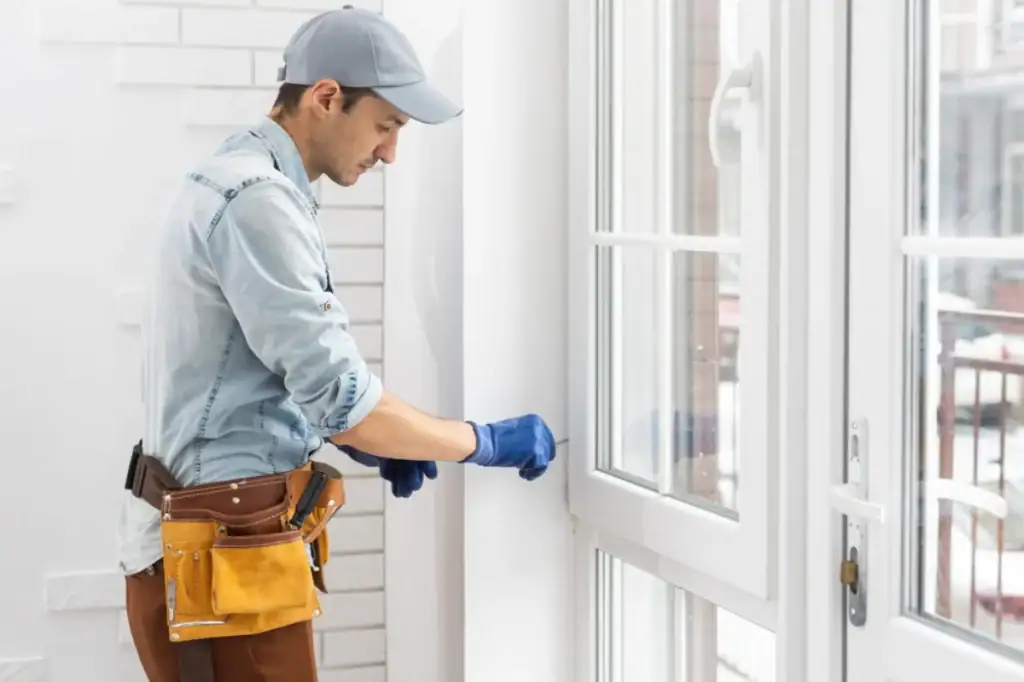
Vinyl has become the go-to choice for coastal window replacement, and for good reason. It’s affordable, durable, and requires almost no maintenance. Unlike wood, it won’t absorb moisture and rot. Unlike aluminum, it won’t corrode when exposed to salt spray. The material simply doesn’t react to the coastal environment that destroys other window types. When you’re looking for vinyl window installers in Monmouth County, finding professionals who understand coastal installation requirements is essential.
From a performance standpoint, vinyl windows offer excellent insulation. Many are built with multi-chambered frames that trap air, improving thermal resistance and reducing heat transfer. That means better energy efficiency and lower utility bills—a significant benefit when you’re heating and cooling a home in a climate with temperature extremes.
The exterior finish on vinyl windows holds up exceptionally well over time. Because the color is part of the material itself rather than a painted surface, there’s no chipping, peeling, or fading to worry about. Lighter colors tend to stay true even longer because they absorb less heat, but even darker vinyl frames maintain their appearance far better than painted wood or aluminum.
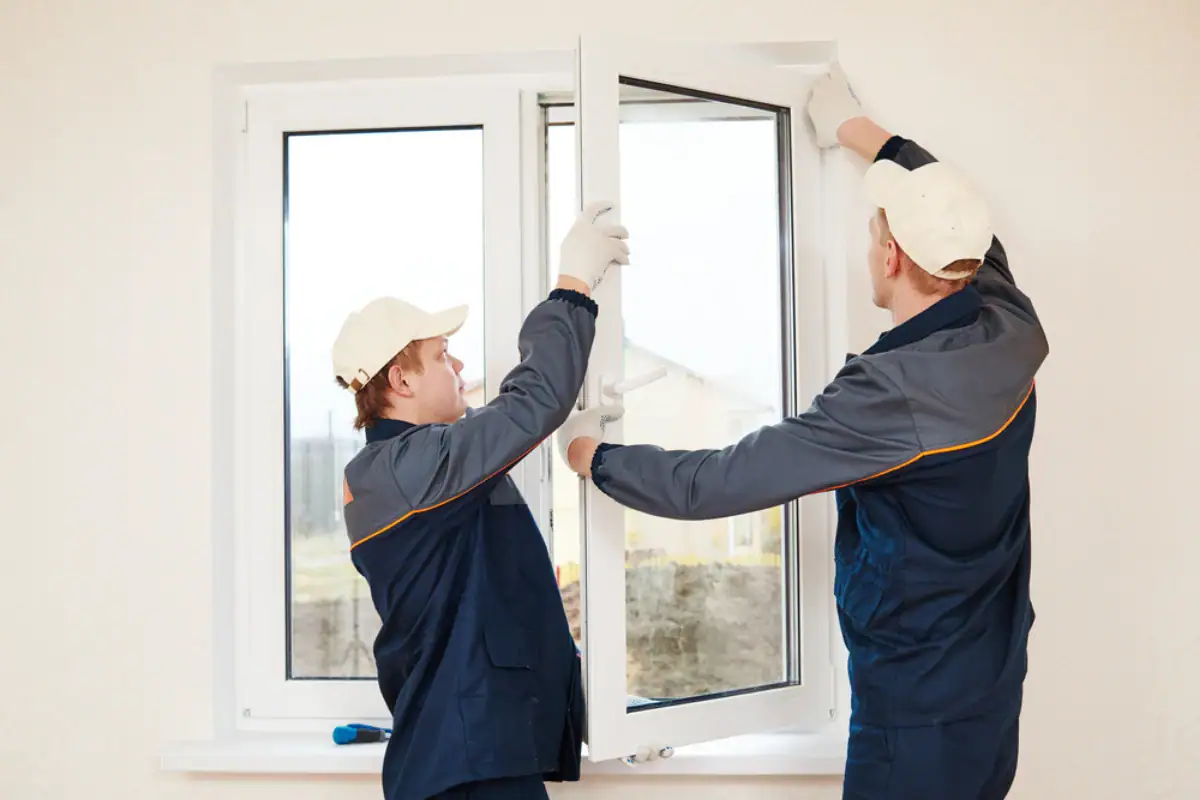
Installation quality matters just as much as material choice. Even the best vinyl windows will underperform if they’re not properly sealed and insulated during window installation. Gaps around the frame allow air and moisture infiltration, which defeats the purpose of upgrading in the first place. That’s why working with experienced vinyl window installers who understand coastal conditions is critical. We know how to flash windows correctly, seal perimeters, and ensure drainage planes are integrated properly—details that separate windows lasting decades from those failing in years.
One thing to keep in mind: not all vinyl windows are created equal. Quality varies significantly between manufacturers, and cheap vinyl products can become brittle or lose resilience as they age. You want salt-resistant windows from reputable brands that use high-grade vinyl formulations designed specifically for harsh environments. The upfront cost difference is minor compared to the long-term performance gap.
When Fiberglass Windows Make Sense for Coastal Homeowners
Fiberglass windows cost more than vinyl, but they deliver performance that’s hard to match. The material is incredibly strong, which allows for thinner frames and larger glass areas without sacrificing structural integrity. That means better views and more natural light—a real advantage when you’re living near the water in places like Belmar or Asbury Park.
Fiberglass doesn’t expand and contract with temperature changes the way vinyl and aluminum do. This dimensional stability keeps seals intact over time, preventing the air and water leaks that plague other window types as they age. In Monmouth County, where you see everything from below-zero winter nights to 90-degree summer days, that stability matters.
The material is also completely immune to salt corrosion. It won’t warp, rot, or rust no matter how much salt spray hits it. For homes right on the coast—places where salt exposure is relentless—fiberglass offers a level of durability that other materials simply can’t provide. You’re looking at a 30 to 50-year lifespan with minimal maintenance, which makes the higher upfront cost easier to justify when planning window replacement Monmouth County projects.
Fiberglass frames can be finished to look like wood if that’s the aesthetic you’re after, but unlike wood, they don’t require the constant upkeep. No painting, no sealing, no worrying about moisture damage. You get the appearance without the maintenance headaches, which is ideal for coastal properties where salt air would otherwise require frequent repainting and treatment.
The one downside is cost. Fiberglass windows can run 50 to 100% more than comparable vinyl options depending on the manufacturer and features. For many homeowners, vinyl offers the best balance of performance and value. But if you’re planning to stay in your coastal home long-term and want the absolute best durability and performance, fiberglass is worth considering. It’s an investment that pays off in longevity, energy savings, and peace of mind.
Protecting Your Coastal Home with the Right Window Replacement
Coastal living comes with tradeoffs. Salt air, storms, and humidity are part of the package. But your windows don’t have to be a constant source of maintenance, energy loss, and frustration. Choosing the right materials and working with installers who understand Monmouth County’s coastal conditions makes all the difference.
Vinyl and fiberglass windows resist salt corrosion, eliminate drafts, and deliver energy savings that add up over time. Proper installation ensures those benefits last for decades, not just a few years. And when you factor in reduced maintenance, lower energy bills, and protection against storm damage, the investment in quality window replacement pays for itself.
If your windows are showing signs of age—corrosion, drafts, condensation between panes, or just higher energy bills—it’s time to consider an upgrade. We’ve been serving Monmouth County homeowners for over 40 years, and we understand exactly what coastal properties need. Reach out for a same-day estimate and let’s talk about solutions that actually work where you live.