Summary:
Emergency Winter Roof Repair Costs in Monmouth County
Roof repairs in Monmouth County typically cost between $400 and $1,750 for storm damage, with simple shingle replacement running $5 to $25 per square foot. But winter changes everything.
Winter roof repairs are challenging but necessary, requiring urgent attention to prevent further damage from snow and ice, though certain materials and adhesives may have temperature limitations. Emergency rates kick in, accessibility becomes limited, and contractors charge premiums for working in harsh conditions.
Most leaky roof repairs cost about $900 on average, but winter roof leaks get worse very quickly, causing significant ongoing damage. What starts as a $500 repair can become a $3,000 emergency if you wait for spring.
Ice Dam Damage: The $2,000 Surprise

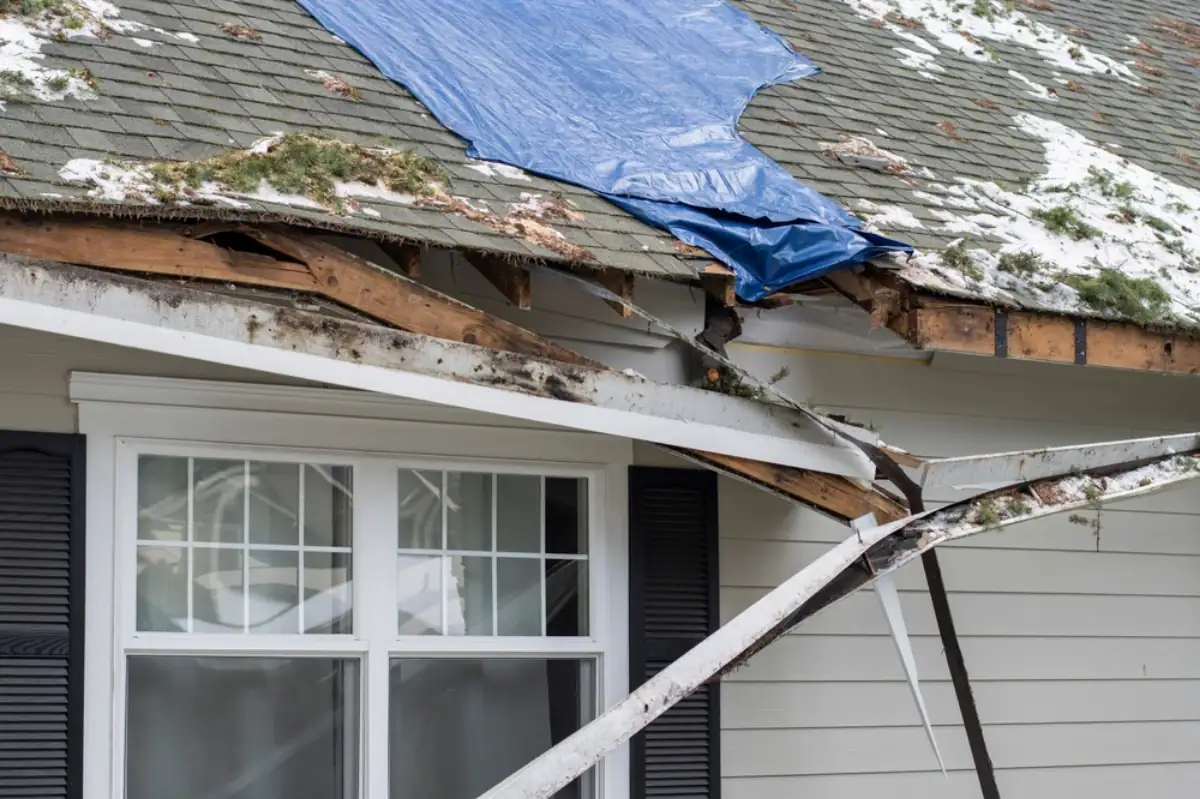
Ice dams form when snow accumulates on the roof and melts, refreezing at the edge and trapping water that finds its way underneath shingles, leading to leaks and structural damage. In Monmouth County’s freeze-thaw cycles, ice dams are practically inevitable on older roofs.
The visible leak is just the beginning. As more melted snow moves to the eave, dams form and push meltwater back under shingles, eventually making its way into the attic, insulation, and walls, causing structural damage and compromising wallboard integrity.
Ice dam removal alone costs $300 to $1,500, depending on accessibility and severity. But the hidden damage underneath often requires additional repairs to gutters, fascia boards, and interior walls. Many homeowners discover ice dam damage has been occurring for weeks before the first drip appears in their living room.
The prevention cost is always lower than the repair cost. Proper attic insulation and ventilation prevent most ice dams, but once they form, you’re looking at emergency repairs during the worst possible weather conditions. Contractors charge premium rates for ice dam removal because it’s dangerous work that can’t wait.
Water Damage Beyond the Roof
Water doesn’t stop at your roof deck. When roof leaks go unchecked, water soaks through the roof deck into the attic or living space below, causing issues with insulation and reducing its effectiveness, leading to higher energy bills, with insulation replacement costing $1 to $4.50 per square foot.
Water can damage drywall or ceilings, causing them to warp or sag, with drywall replacement typically costing around $1.50 to $3.00 per square foot. In a typical Monmouth County home, a moderate leak affecting 200 square feet of insulation and 100 square feet of drywall adds $500 to $1,200 to your repair bill.
But winter leaks are particularly destructive because they often go unnoticed longer. Few property owners access attic spaces often enough to catch water damage before it becomes severe enough to spread to lower levels of the structure, and by the time a leak becomes apparent, damage has already occurred.
The moisture creates perfect conditions for mold growth, especially in the warm, dark spaces between walls and in attic insulation. What starts as a $400 roof leak becomes a multi-thousand-dollar restoration project involving multiple trades and materials. Smart homeowners address leaks immediately, even if it means paying emergency rates, because the alternative is exponentially more expensive.
Attic Mold Prevention and Remediation Costs
Mold can develop in as little as 24-48 hours after a leak, and delayed action turns small leaks into massive expenses that affect family health. Winter leaks are particularly problematic because they often occur in attics where warm air meets cold surfaces, creating ideal mold conditions.
Attic mold remediation costs start around $1,500 and can range up to $10,000, with large leaks potentially costing up to $10,000 to fix. The cost depends on the extent of contamination and accessibility of the affected area.
It typically costs $1,000 to $4,000 to remove attic mold, depending on accessibility, but if the roof leak is very large or has gone undetected for considerable time, mold remediation can cost as much as $7,000. In cramped or difficult-to-access attics, costs increase significantly due to the specialized equipment and safety measures required.
The Hidden Health and Safety Costs

Mold in the attic can be a serious problem for homeowners, as attics often provide perfect conditions for mold growth due to moisture issues such as roof leaks or poor ventilation, and it’s crucial to identify and address these conditions early to prevent mold from spreading and causing structural damage or health issues.
Ignoring attic mold may seem harmless since you don’t live in the attic, but the consequences include structural damage with rotting rafters and weakened roof decking, plus health issues including coughing, asthma, and skin irritation. Spores can travel through HVAC systems and air leaks into living spaces.
Professional mold testing alone costs $300 to $600 before any remediation begins. Mold remediation costs between $1,000 and $3,500 on average, depending on the severity of the infestation, and costs escalate quickly if mold has spread throughout the attic or into walls.
The health implications extend beyond immediate symptoms. Prolonged exposure to mold can cause respiratory issues, especially in children and elderly family members. Some families need temporary relocation during extensive mold remediation, adding hotel costs and meal expenses to an already expensive problem.
Insurance coverage for mold is limited and often excluded unless it results directly from a covered peril. Many insurance companies cover mold caused by sudden roof leaks but not from neglect, so checking your policy is essential. Most policies cap mold coverage at $10,000, which sounds generous until you’re facing a $15,000 remediation project.
Insulation Replacement: The Overlooked Expense
Re-insulating your attic can cost anywhere from $300 to $1,000, depending on the size of the area and the type of insulation used. But winter roof leaks often damage more insulation than homeowners realize.
Wet insulation loses effectiveness and holds mold, so it must always be replaced. When insulation gets damp or wet, its capacity to insulate becomes significantly reduced, costing additional money to heat and cool your home.
Modern building codes require higher R-values than older homes originally had. When replacing damaged insulation, you’re often required to upgrade to current standards, increasing material costs. A typical Monmouth County attic requiring insulation replacement after water damage costs $800 to $2,500, depending on square footage and insulation type.
The timing matters too. Winter insulation replacement is more expensive because contractors must work in harsh conditions, and material delivery becomes complicated during storms. Some insulation materials perform poorly in cold, wet conditions, limiting your options and potentially requiring temporary heating during roof installation.
Energy costs spike immediately after insulation damage. Damaged insulation reduces effectiveness and leads to higher energy bills. Many homeowners see 20-30% increases in heating costs during the weeks between leak discovery and insulation replacement, adding hundreds to their winter utility bills.
Home Insurance Claims and Deductible Complications
Most homeowners insurance policies come with deductibles of $500 to $2,500, which you must pay before receiving any reimbursement, so if you have a $750 deductible and damage costs only $400 to repair, you wouldn’t receive any payment. This creates a frustrating situation where minor leaks cost more to repair than your insurance will cover.
Filing a claim may trigger premium increases when you renew your policy, as companies view your home as riskier to cover, so unless repair costs are much higher than your deductible, it might cost less long-term to pay yourself. Filing a claim could cause insurance premiums to go up for the next few years, so consider whether the payout now will be enough to cancel out those future increases.
Winter claims face additional scrutiny. Insurance companies deny claims for gradual wear and tear or lack of maintenance, and if years of weather have worn down your shingles and your roof springs a leak, you may have to pay for damage yourself. Proving that winter damage resulted from a sudden storm rather than gradual deterioration requires documentation and often professional inspection.
Your policy may have limits on water damage coverage, such as a $5,000 limit, so if repairs cost $6,000, you’d pay the additional $1,000 yourself. Understanding these limits before you need them prevents unpleasant surprises during claim processing.
We have helped hundreds of Monmouth County homeowners navigate insurance claims successfully. We document damage thoroughly, work directly with adjusters, and provide detailed estimates that support your claim. Our 40 years of local experience means we understand what insurance companies expect and how to present your case effectively.