Summary:
Top Commercial Flat Roofing Materials and Their Performance
Single-ply systems are among the most popular for commercial buildings due to their ease of installation and flexibility, with popular options including EPDM, TPO, and PVC. These materials dominate the commercial market because they’re specifically engineered for the unique challenges flat roofs face.
The survey results show TPO as the low-slope market leader, garnering a 40 percent share of the new construction market and 30 percent of the reroofing market. This popularity stems from TPO’s combination of durability, energy efficiency, and cost-effectiveness.
Each material brings distinct advantages depending on your building’s specific needs, local climate conditions, and budget constraints.
TPO Roofing: Why It Leads the Commercial Market
Thermoplastic polyolefin, commonly known as TPO, stands tall as a prominent contender in the realm of commercial flat roofing systems across the U.S., made from a blend of synthetic materials such as polypropylene, and known for exceptional flexibility and resilience.
Unlike EPDM, TPO typically comes in light-colored sheets that offer superior reflectivity, available in white colored sheets which makes its high solar reflectivity possible, helping effectively bounce off the sun’s rays and reduce the heat absorbed by your building. This energy efficiency translates directly to lower cooling costs, especially important in Monmouth County’s humid summers.
TPO’s lightweight and wide sheets make installation a quicker and more straightforward process, often resulting in lower labor costs compared to some other roofing options. For commercial buildings where minimizing business disruption is crucial, this installation efficiency becomes a significant advantage.
TPO is the most common single-ply membrane system in the US, and a well-maintained, expertly installed TPO system may last 20 to 30 years, with costs between $3.50 and $14 per square foot to install. The wide cost range reflects variations in membrane thickness, insulation requirements, and installation complexity.
The material performs exceptionally well in Monmouth County’s coastal climate, resisting both salt air corrosion and temperature fluctuations that can stress other roofing systems. However, proper installation remains critical—poorly welded seams or inadequate drainage can lead to premature failure regardless of material quality.
EPDM and PVC: Proven Alternatives for Specific Applications
EPDM is currently one of the best and most popular commercial flat roofing systems, made of synthetic rubber polymers where the rubber composition helps give the material flexibility and versatility, and though they don’t look very impressive, EPDM roofs are durable and highly resistant to weathering.
EPDM excels in applications where puncture resistance and longevity are priorities. EPDM roofing is made from industrial-grade synthetic rubber and is a durable roofing material for low-slope roofs, known for being durable and rugged, expanding and contracting with temperature changes and resisting ultraviolet light, used for commercial flat roofs for more than 50 years.
PVC roofing offers superior chemical resistance, making it ideal for commercial buildings where oils, fats, or other chemicals might contact the roof surface. If you run a food-production facility or a restaurant, PVC may be your ideal roofing system because it actively resists substances like oils and fats that may be exhausting onto your rooftop.
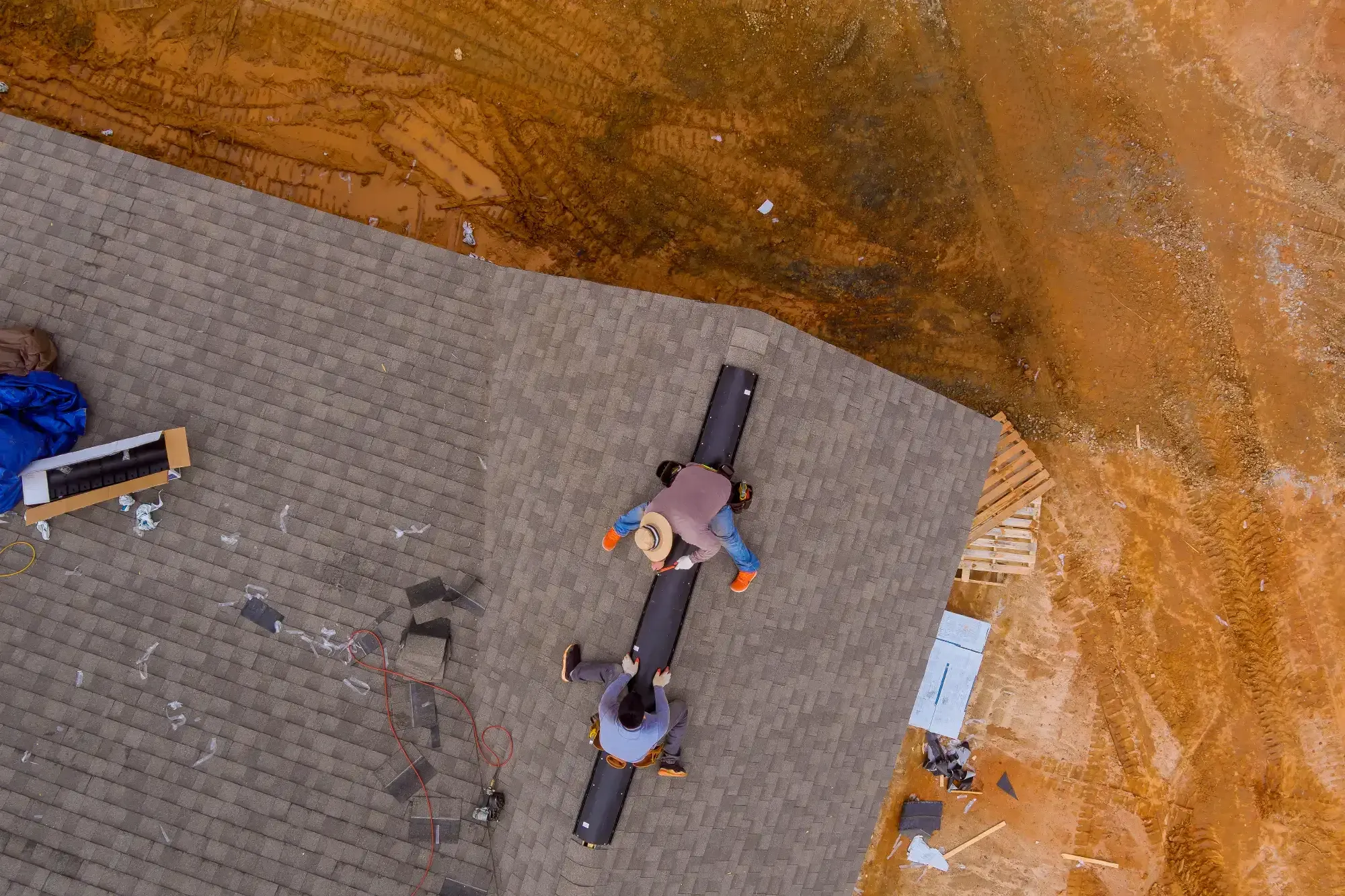
Like all single-ply membrane roofing, roofers install TPO and PVC roofing by unfurling the rolls it comes in and then adhering or mechanically attaching the material to the roof deck, and unlike EPDM roofing, TPO and PVC use heat to weld seams and make the roof waterproof.
The choice between these materials often comes down to specific building requirements. EPDM works well for standard office buildings and warehouses, while PVC suits restaurants and manufacturing facilities. TPO provides the best balance of performance and cost for most commercial applications, explaining its market dominance.
In Monmouth County’s variable climate, all three materials perform well when properly installed with adequate drainage and insulation. The key lies in matching material properties to your building’s specific exposure conditions and usage patterns.
How Commercial Roofing Differs from Residential Systems
The building composition of a residential roof is different from a commercial one, as commercial roofs require way more water protection and weight management because they’re flat, and often hold very large, heavy pieces of equipment.
Residential roof designs usually have a higher, steeper slope (also known as a “pitch”), where a high pitch is necessary to ensure there is efficient rainwater drainage. This fundamental difference in design drives most other distinctions between commercial and residential roofing systems.
The structural demands, installation methods, and material requirements create entirely different approaches to protecting buildings from weather and environmental stresses.
Material and Design Differences That Matter
Commercial roofing materials have far more alternatives than residential roofing materials, with modified bitumen, tar and gravel, single-ply coatings (PVC, TPO, EPDM), sprayed polyurethane foam, or other commercial roofing systems being common. This variety exists because commercial buildings face diverse challenges that require specialized solutions.
Commercial roofs are often flat or very low-pitched, commonly found on buildings such as warehouses, retail outlets, restaurants, and factories, generally larger than residential roofs and frequently featuring multiple openings for ventilation systems, smokestacks, and skylights.
In contrast, residential roofs are typically pitched higher and constructed using materials like asphalt shingles, slate, or cedar shakes, while some homeowners or residential roofers opt for tile or metal roofing, these are less common than asphalt shingles.
The typical design of a commercial roof has a few factors to consider such as the weight of equipment that is housed on the roof and the need to cover a larger area. HVAC units, satellite dishes, and maintenance walkways all add structural and design complexity that residential roofs rarely encounter.
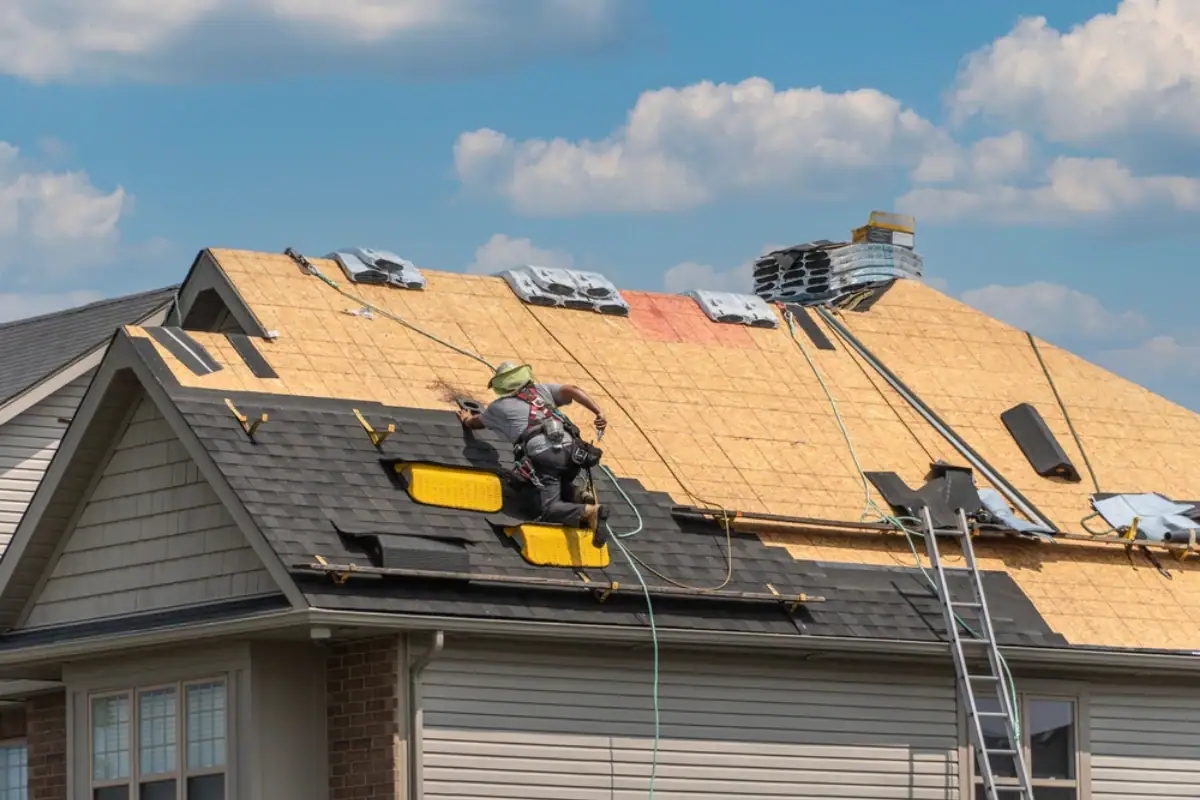
Commercial roof installation projects often require much more material, planning, and time than a residential roof, with not only more safety factors to take into account, but the financial cost of installing a commercial roof is usually much higher, requiring a variety of specialized tools and large equipment.
The installation process itself differs significantly. While residential roofers might complete a home in a day or two, commercial projects can take weeks and require coordination with building operations to minimize business disruption.
Performance Requirements and Maintenance Considerations
During inspection, workers should spend as little time as possible in contact with the actual roof as foot traffic crushes insulation panels and damages roofing membranes, creating more problems than maintenance can solve, which is where custom roof access walkways can help facility managers enhance worker safety while painlessly increasing the operational lifespan of their commercial roofs.
Commercial roofs must accommodate regular maintenance access for HVAC equipment, which creates unique wear patterns and potential failure points. Roofing membranes are tough and durable when they’re new, but over time, they can wear and erode, thinning out in high-traffic areas, usually the result of maintenance workers or HVAC mechanics servicing rooftop equipment, and eventually, these thinner areas can tear or become punctured, resulting in leaks and damage.
Commercial building maintenance requires roofing contractors to inspect and maintain commercial building roofs every six months. This frequency reflects the higher stakes involved—a leaking commercial roof can shut down operations, damage inventory, and create liability issues that residential properties rarely face.
Any water on a commercial roof that doesn’t drain away or evaporate after 48 hours is considered to be “ponded,” and ponding is most often the result of a poor roof installation—if the roof isn’t appropriately pitched or if there’s no drainage, water will settle. Ponding water accelerates membrane deterioration and can lead to structural problems over time.
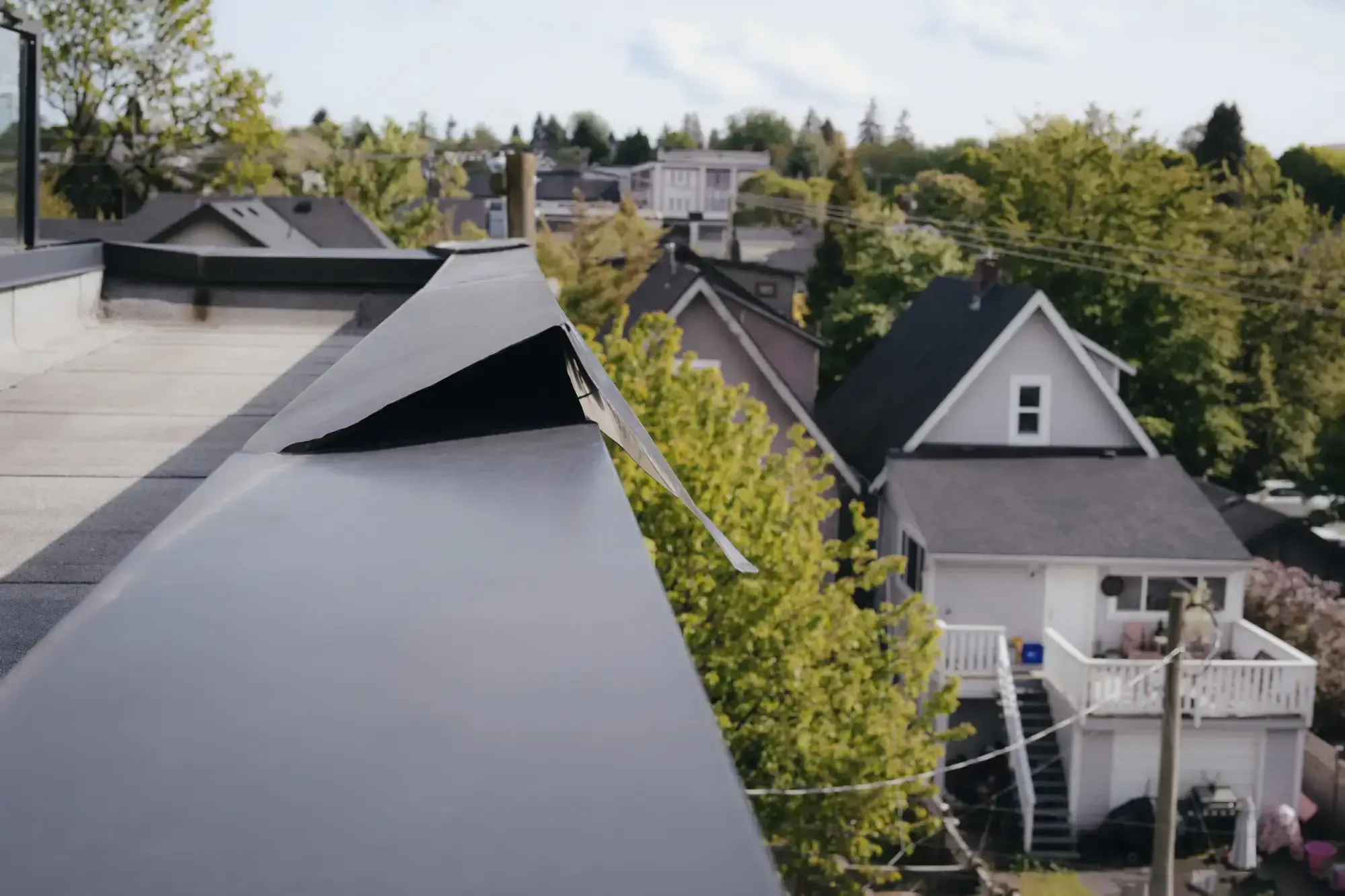
Flashing is one of the most important parts of a roof, and yet flashing installation is a technical challenge that can be difficult for contractors to implement, as flashing is supposed to cover seams and penetrations in the roofing surface and channel water away from those areas, but flashing degrades over time with thermal expansion removing the material, or minor defects and penetrations turning into major issues, and only regular inspection of these areas can ensure that they don’t turn into trouble spots.
The complexity of commercial roof maintenance requires contractors with specific expertise in membrane systems, drainage management, and equipment integration—skills that typical residential roofers may not possess.
Choosing the Right Commercial Roofing Solution for Your Building
Your commercial roofing decision impacts more than just weather protection—it affects energy costs, maintenance schedules, and business operations for decades. TPO leads the market for good reasons: proven performance, energy efficiency, and cost-effectiveness that work across most commercial applications.
However, your specific building requirements might call for EPDM’s puncture resistance or PVC’s chemical resistance. The key lies in working with contractors who understand both the materials and the unique demands of commercial flat roofing systems.
We are a locally owned, family-run business serving Monmouth and Bergen County, NJ for over 40 years, with our owner present at every job making sure work meets the highest standards, offering a 30-year labor warranty and 20-year workmanship warranty. When you’re ready to explore your commercial roofing options, choose contractors with the experience and local knowledge to deliver lasting solutions for your Monmouth County property.