Summary:
What Makes Seamless Gutters Different from Regular Gutters
Walk into any big box store and you’ll find sectional gutters—pre-cut pieces that snap together with joints every ten feet or so. They’re cheaper upfront, and plenty of homeowners go that route. But here’s what happens over time.
Those seams? They leak. Debris gets trapped right where the sections connect. Water finds its way through, especially during the kind of storms we get in Monmouth County. You end up cleaning them more often, resealing joints, or replacing sections that’ve pulled apart.
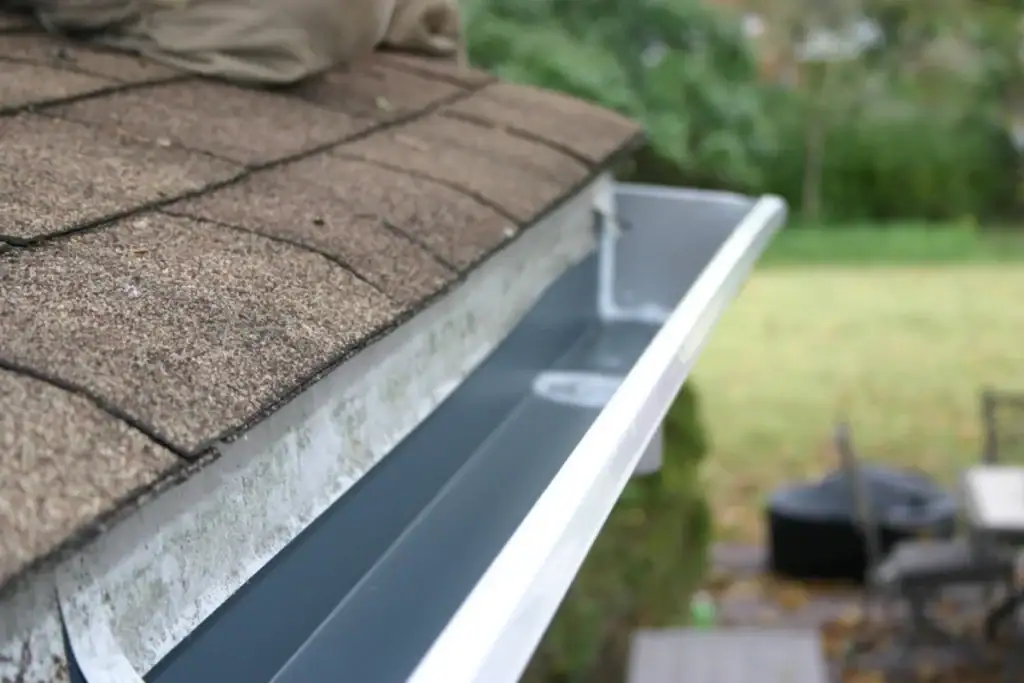
a href=”https://arussoroofing.com/seamless-gutters/”>Seamless gutters are fabricated differently. We bring equipment to your property and custom-form continuous sections from a single piece of aluminum. No seams except at the corners and downspouts. That means fewer weak points, less maintenance, and a system that actually handles the volume of water coming off your roof when the skies open up.
How On-Site Gutter Fabrication Works

Most people don’t realize seamless gutters can’t be made in a factory and shipped to your house. The lengths would be impossible to transport. Instead, the fabrication happens right in your driveway.
We show up with a mobile forming machine loaded on our truck. We’ve already measured your roofline—every angle, every pitch, every corner. We feed aluminum coil through the machine, and it shapes the gutter profile in real time, cutting it to the exact length your home needs. Sometimes that’s 30 feet. Sometimes it’s 50. No guessing, no piecing things together.
This process takes the human error out of the equation. There’s no “close enough” when the gutter is made to fit your specific house. It also means we can match your color choice on the spot, and the whole system goes up in a day for most homes.
The result is a gutter that sits flush against your fascia, slopes correctly for drainage, and doesn’t have a dozen seams waiting to fail five years down the road. For Monmouth County homes dealing with coastal storms and heavy seasonal rain, that’s not a luxury. It’s the baseline for a system that actually works.
And because everything is custom, you’re not stuck with whatever’s in stock at the hardware store. If your roofline is complex or your home has unique architectural features, seamless fabrication adapts. That’s something sectional gutters just can’t do.
Why Monmouth County Homes Need Better Water Management
Monmouth County sits right on the Jersey Shore. That means we’re not just dealing with typical New Jersey rain. We’re talking about nor’easters, tropical storms, sudden downpours that drop inches of water in an hour, and storm surges that saturate the ground before the rain even starts.
Your home’s foundation wasn’t designed to sit in water. When gutters overflow or leak, water pools around the base of your house. That water seeps into the soil, creates hydrostatic pressure, and eventually finds its way into your basement. Cracks form in the foundation. Moisture builds up inside your walls. Mold starts growing in places you can’t even see.
Fixing foundation damage isn’t a weekend project. It’s a multi-thousand-dollar repair that could’ve been avoided if the water had been directed away from your home in the first place. That’s what a properly installed gutter system does. It takes the water off your roof and moves it far enough away that your foundation stays dry.
Monmouth County also gets more than 45 inches of rain per year. Add in snowmelt during the spring, and you’re looking at a constant flow of water that needs somewhere to go. If your gutters are clogged, sagging, or leaking at the seams, that water isn’t going where it should. It’s going into your basement, under your siding, or straight into the ground next to your foundation.
Seamless gutters handle higher volumes of water because there’s nothing blocking the flow. Debris doesn’t get caught at seams. Water moves smoothly from the roofline to the downspouts and away from your home. When storms hit—and they will—you need a system that keeps up. Sectional gutters with joints and seams just don’t cut it here.
This isn’t about being overly cautious. It’s about understanding the climate we live in and making sure your home is protected. Basement flooding, foundation cracks, and water damage aren’t rare in Monmouth County. They’re predictable outcomes when water management fails.
How Seamless Gutters Protect Your Foundation and Basement
Your foundation is holding up your entire house. When water saturates the soil around it, that soil expands. When it dries out, it contracts. This constant movement creates pressure on your foundation walls, leading to cracks, settling, and structural issues that only get worse over time.
Gutters control where that water goes. A seamless system with the right pitch and properly placed downspouts moves water at least six feet away from your foundation. That distance matters. It’s the difference between dry soil and saturated ground pressing against your basement walls.
Monmouth County homeowners know the basement flooding struggle. After a heavy storm, you head downstairs and find water seeping through the walls or pooling on the floor. That water didn’t come from nowhere. It came from your roof, ran through your gutters (or overflowed them), and soaked into the ground right next to your foundation. From there, it’s just a matter of time before it finds a way inside.
Preventing Foundation Erosion and Structural Damage
Foundation erosion happens slowly, which is why most homeowners don’t notice it until the damage is done. Water running off your roof without gutters—or with gutters that aren’t doing their job—digs channels in the soil around your home. Over time, that soil washes away, leaving gaps under your foundation.
When your foundation loses the support of the soil beneath it, it starts to settle unevenly. That’s when you see cracks in your walls, doors that won’t close properly, and floors that feel uneven. These aren’t cosmetic issues. They’re signs that your home’s structure is shifting.
Seamless gutters stop this process before it starts. By capturing water at the roofline and directing it through downspouts that extend away from your home, you’re keeping that soil in place. You’re not giving water the chance to pool, dig, or saturate the ground where it shouldn’t.
This is especially important in Monmouth County, where heavy rain is common and the ground stays wet for extended periods. The more water your foundation is exposed to, the more likely you are to deal with cracks, leaks, and costly repairs. A gutter system that actually works isn’t just about avoiding a wet basement. It’s about protecting the structural integrity of your entire home.
And here’s something most people don’t think about: foundation repairs cost ten times more than gutter installation. If you’re weighing the cost of seamless gutters against the cost of fixing foundation cracks, water damage, and basement flooding, the math isn’t even close. Investing in a quality gutter system now saves you from a much bigger bill later.
Adding Leaf Protection Systems to Keep Gutters Flowing
Even the best seamless gutter system can’t do its job if it’s clogged with leaves, pine needles, and debris. Monmouth County has plenty of trees, and when fall hits, those gutters fill up fast. If water can’t flow through the system, it overflows—and you’re right back to dealing with water damage around your foundation.
Leaf protection systems—also called gutter guards—sit on top of your gutters and keep debris out while letting water flow through. They’re not all created equal, though. Cheap mesh screens let small debris through and still require cleaning. Foam inserts break down over time. The systems that actually work use micro-mesh technology or solid covers with a curved design that shed leaves while pulling water into the gutter.
For homeowners who don’t want to climb a ladder twice a year to clean gutters, leaf protection is worth considering. It’s an added cost upfront, but it eliminates the maintenance hassle and keeps your gutters functioning the way they should, even during heavy leaf fall.
Here’s the other benefit: clogged gutters add weight. When debris builds up and water sits in your gutters instead of draining, that extra weight pulls on your fascia and can cause your gutters to sag or detach. Leaf guards prevent that buildup, which means your gutter system stays securely attached and continues to perform for decades.
If you’re investing in seamless gutters, adding leaf protection makes sense. You’re already upgrading to a system that’s designed to last 20 to 30 years. Why not make sure it stays clear and functional for that entire lifespan? It’s one less thing to worry about, and in Monmouth County’s climate, that peace of mind is worth it.
Not every home needs gutter guards, but if you’ve got mature trees near your roofline or you’re tired of dealing with clogs every season, it’s a smart addition. Talk to us about which type makes sense for your property. The right system will keep water flowing, protect your investment, and save you time and effort down the road.
Protecting Your Monmouth County Home with the Right Gutter System
Seamless gutters aren’t just about avoiding the hassle of cleaning out clogs or resealing joints. They’re about protecting your home from the kind of water damage that costs thousands to fix. Foundation cracks, basement flooding, and structural issues don’t happen overnight, but they do happen when water isn’t managed properly.
Monmouth County’s climate demands a gutter system that can handle heavy rain, coastal storms, and the constant flow of water off your roof. Seamless gutters, fabricated on-site to fit your home perfectly, give you that protection. Add in leaf guards if you want to eliminate maintenance, and you’ve got a system that works for decades without the headaches that come with sectional gutters.
If you’re dealing with overflowing gutters, water pooling around your foundation, or a damp basement after every storm, it’s time to upgrade. We’ve been serving Monmouth County for over 40 years, and we know what it takes to protect homes in this climate. Reach out to us for a consultation and make sure your home is ready for whatever weather comes next.